Aizoaceae
Living stones: Full Sun Plant
Lithops pseudotruncatella
Requires very well-draining, sandy-mineral substrate and maximum direct sunlight. Water sparingly and only when the substrate is completely dry – excess water is the primary killer of this species. During the molting period (autumn-winter), watering must be completely stopped to avoid damaging the new leaves developing beneath the old ones.
Every 25 days
Direct sun
10° - 35°C
10% - 40%
Categories
What is Living stones?
Living stones (Lithops pseudotruncatella) is a hard-care plant from the Aizoaceae family. Lithops pseudotruncatella is a succulent from the ice plant family (Aizoaceae), native to the arid, stony regions of Namibia and South Africa. The plant belongs to the group known as "living stones" – its two thick leaves, fused at the base, mimic the color and texture of surrounding pebbles as a fo...
Living stones grows up to 5cm, spread of 8cm, watering every 25 days, 10°C – 35°C, 10–40% humidity. It is suitable for indoor environments and safe for pets.
Unlike easy-care plants, Living stones demands constant attention to humidity and light. Not recommended for beginners. Unlike many popular species, Living stones is safe to keep around pets. Without adequate drainage, root rot can develop within 50 days.
How to Care for Living stones?
TLDR: Living stones needs Direct sun, watering every 25 days, and temperatures between 10-35°C with 10-40% humidity.
How Often Should You Water Living stones?
Water infrequently, every 3-4 weeks during the growing season, and only when the substrate is bone dry. Do not water at all during molting (when the old leaf pair is shriveling) or during the winter dormancy period – moisture at these times leads to root and crown rot.
How Much Light Does Living stones Need?
Place in the brightest spot in the house, preferably on a south-facing windowsill, providing 4-5 hours of direct sunlight daily, ideally in the morning. Insufficient light causes the leaves to stretch and fade; slightly shade the exposure during the hottest midday hours in summer.
What Is the Best Soil for Living stones?
Use only a mineral-based, fast-drying substrate for cacti and succulents with a high proportion of coarse sand, grit, or pumice (approx. 70% mineral fraction). The pot must have drainage holes – standing moisture in the substrate quickly leads to rot.
What Pot Should You Use for Living stones?
Choose a shallow, wide ceramic or terracotta pot with numerous drainage holes – the breathable material helps moisture evaporate from the substrate faster. Avoid deep, glass, or plastic containers without drainage, as they promote rot in the shallow root system.
Care Schedule
Fertilize
Every 180 days
Rotate
Every 30 days
Repot
Every 1095 days
What Is Living stones and Where Does It Come From?
Lithops pseudotruncatella is a succulent from the ice plant family (Aizoaceae), native to the arid, stony regions of Namibia and South Africa. The plant belongs to the group known as "living stones" – its two thick leaves, fused at the base, mimic the color and texture of surrounding pebbles as a form of camouflage against herbivores. Every year, after a period of dormancy, the old pair of leaves withers and is "absorbed" by a new pair emerging between them – a process called molting. In autumn, a single daisy-like flower in yellow or white appears between the leaves. The plant grows very slowly, reaching only 2-5 cm in height, eventually forming small clusters.
How to Propagate Living stones?
Sowing from seeds
Germination and the first years of growth require a lot of patience - flowering occurs only after 3-5 years.
- 1 Sow the tiny seeds on the surface of a moist, sandy substrate without covering them
- 2 Maintain constant, gentle humidity using a mister until germination
- 3 After germination, gradually reduce watering frequency and increase light exposure
- 4 Repot seedlings into the final mineral substrate after one year of growth
Materials needed:
Cluster division
Do not water freshly divided plants immediately - wait for the wounds to callous over to avoid rot.
- 1 Remove a mature, multi-headed cluster from the pot and gently clean the substrate from the roots
- 2 Separate the cluster into smaller groups, each with its own root section, using a clean knife
- 3 Allow the cut areas to dry for 1-2 days in the shade
- 4 Plant in dry mineral substrate and only begin watering after 1-2 weeks
Materials needed:
How Big Does Living stones Grow?
TLDR: Living stones can reach up to 5cm tall with Slow growth rate.
Max height
5cm
Spread
8cm
Growth rate
Slow
Foliage
Evergreen
Plant Uses
Ornamental
Great for decoration
Is your plant showing symptoms?
Click on the symptom to discover possible causes:
What Diseases Commonly Affect Living stones?
TLDR: Living stones is susceptible to 7 known diseases. Monitor regularly for early detection.
Root Rot
Root rot is a serious fungal disease that affects the root system of plants, causing them to decay and die. It is primarily caused by overwatering, poor drainage, or soil-borne fungi such as Pythium, Phytophthora, Rhizoctonia, and Fusarium. The disease thrives in waterlogged conditions where roots are deprived of oxygen, making them susceptible to fungal infection.
Mealybugs
Mealybugs are small, soft-bodied insects covered with a white, waxy, cottony material. They are common pests of houseplants and outdoor plants in mild climates. These sap-sucking insects feed on plant tissue, causing damage, stunted growth, and can lead to plant death if left untreated. They produce sticky honeydew which attracts sooty mold.
Crown Rot
Crown rot is a serious fungal disease that attacks the crown (base) of the plant where the stem meets the soil. It is caused by various fungal pathogens including Phytophthora, Fusarium, and Rhizoctonia. The disease thrives in waterlogged conditions and can quickly spread to kill the entire plant if not addressed promptly.
Overwatering
Overwatering occurs when plants receive too much water, depriving roots of oxygen and causing root rot. This environmental stress is one of the most common causes of houseplant death, as waterlogged soil prevents roots from breathing and functioning properly.
Meaning & Symbolism
Living stones symbolize patience, perseverance, and the art of invisibility – the ability to survive in extremely harsh conditions by perfectly blending into the environment. In ornamental plant culture, they are often seen as a symbol of longevity and peace, as they can live and bloom for decades with minimal intervention.
Compare with similar plants
| Attribute | Difficulty | Light | Watering | Pet Safe |
|---|---|---|---|---|
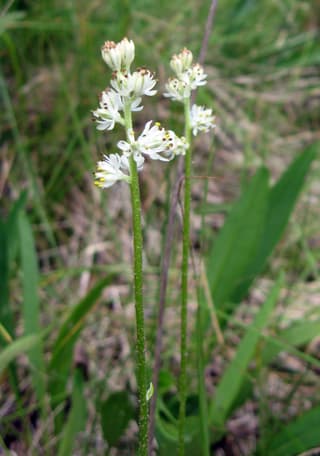
| Sticky false asphodel | Hard | Bright indirect | 1d | ✓ |
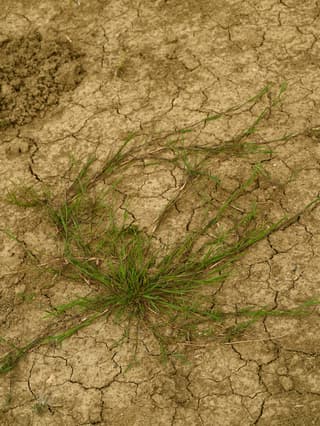
| Creeping bentgrass | Hard | Direct sun | 3d | ✓ |
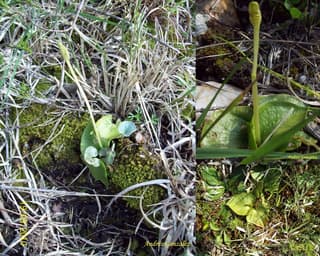
| Bulbous Adder's-tongue | Hard | Partial shade | 4d | ✓ |
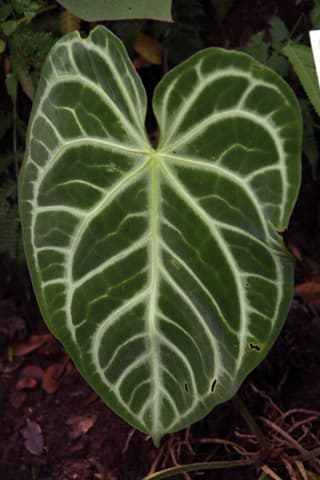
| Crystal Anthurium | Hard | Partial shade | 7d | ⚠️ |