Schistostegaceae
Luminous moss: Best for Low Light
Schistostega pennata
A highly specialized species that requires strictly controlled conditions. Cultivation is challenging due to its extremely shaded habitat requirements. It needs a very humid environment (minimum 80%) with slightly acidic (pH 4.5-5.7) and well-drained mineral soil. Light must be kept very low; it grows naturally in caves, rock crevices, and under upturned tree roots. Cool temperatures between 5-20°C. It thrives best in specialized terrariums with precise humidity and lighting control.
Every 7-10 days
Low light
5° - 20°C
80% - 95%
Categories
What is Luminous moss?
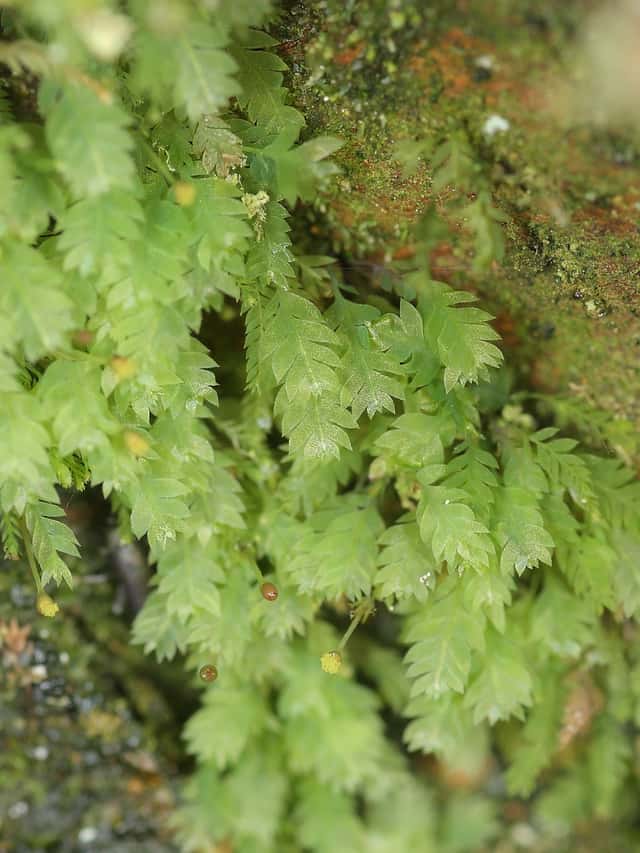
Luminous moss (Schistostega pennata) is a hard-care plant from the Schistostegaceae family. Schistostega pennata is a unique and fascinating moss from the Schistostegaceae family. This bryophyte is famous for its luminescent property: in low-light conditions, its protonema emits a soft golden-green glow. This occurs because specialized spherical cells in the protonema act as biological len...
Luminous moss grows up to 2cm, 5°C – 20°C, 80–95% humidity. It is suitable for indoor environments and safe for pets.
Unlike easy-care plants, Luminous moss demands constant attention to humidity and light. Not recommended for beginners. Unlike many popular species, Luminous moss is safe to keep around pets.
How to Care for Luminous moss?
TLDR: Luminous moss needs Low light, watering every 7 days, and temperatures between 5-20°C with 80-95% humidity.
How Often Should You Water Luminous moss?
Keep the substrate consistently moist but never waterlogged. Requires a very humid atmosphere (>=80%). Light misting every day is essential. Use distilled or filtered water to avoid salt buildup.
How Much Light Does Luminous moss Need?
Needs very little light. Grows in caves or deep shade where almost no other plant thrives. Strong light kills the moss. The luminous effect only appears in extreme shade; in intense light, the glow disappears.
What Is the Best Soil for Luminous moss?
Use a well-drained and slightly acidic mineral substrate (pH 4.5-5.7). A mixture of peat with coarse sand and small stones works well, retaining moisture without becoming anaerobic.
What Pot Should You Use for Luminous moss?
Do not use conventional pots. Cultivate in closed terrariums, glass vivariums, or humidity chambers with natural substrate (rock, peat, or an appropriate mix).
Care Schedule
Misting
Every 1 days
What Is Luminous moss and Where Does It Come From?
Schistostega pennata is a unique and fascinating moss from the Schistostegaceae family. This bryophyte is famous for its luminescent property: in low-light conditions, its protonema emits a soft golden-green glow. This occurs because specialized spherical cells in the protonema act as biological lenses, concentrating weak light onto the chloroplasts. The plant is small, with gametophytes of only 1.5 cm, featuring opposite leaves with a simple structure. It is native to temperate regions of the Northern Hemisphere (Europe, Asia, and North America).
How Big Does Luminous moss Grow?
TLDR: Luminous moss can reach up to 2cm tall with Slow growth rate.
Max height
2cm
Growth rate
Slow
Foliage
Evergreen
Plant Uses
Ornamental
Great for decoration
Is your plant showing symptoms?
Click on the symptom to discover possible causes:
What Diseases Commonly Affect Luminous moss?
TLDR: Luminous moss is susceptible to 2 known diseases. Monitor regularly for early detection.
Low Humidity Stress
Low humidity stress occurs when indoor air becomes too dry, causing plants to lose moisture faster than they can absorb it through their roots. This is especially common during winter heating periods, near radiators and heating vents, or in air-conditioned spaces. Tropical plants are particularly susceptible to low humidity damage.
Overwatering
Overwatering occurs when plants receive too much water, depriving roots of oxygen and causing root rot. This environmental stress is one of the most common causes of houseplant death, as waterlogged soil prevents roots from breathing and functioning properly.
Compare with similar plants
| Attribute | Difficulty | Light | Watering | Pet Safe |
|---|---|---|---|---|
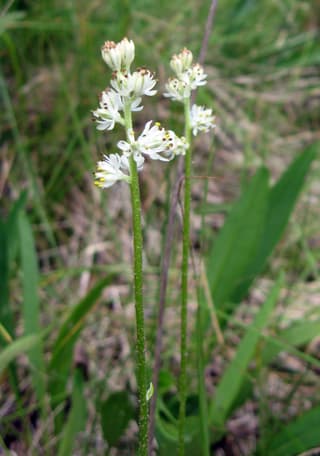
| Sticky false asphodel | Hard | Bright indirect | 1d | ✓ |
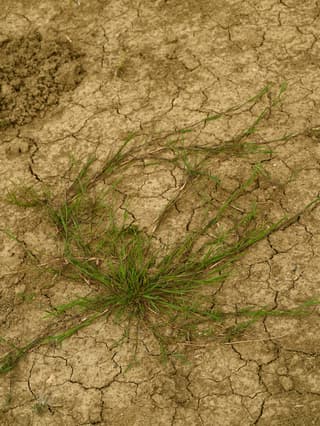
| Creeping bentgrass | Hard | Direct sun | 3d | ✓ |
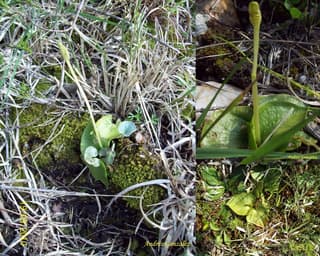
| Bulbous Adder's-tongue | Hard | Partial shade | 4d | ✓ |
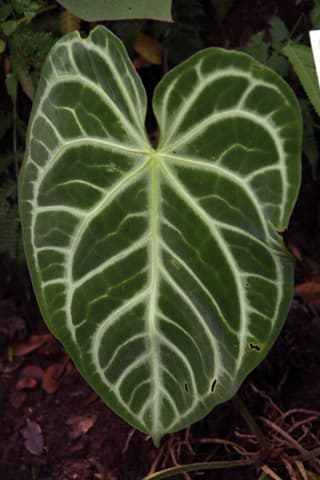
| Crystal Anthurium | Hard | Partial shade | 7d | ⚠️ |