Sapotaceae
Mamey Sapote (Pouteria sapota)
Pouteria sapota
A warm-climate tree for a yard with room to spare. It wants full sun, deep soil that drains well and steady water during dry spells. It won't take frost, and its roots rot in soggy ground. Plant it at least 20-30 ft (6-9 m) from buildings, fences and power lines.
Every 7 days
Direct sun
0° - 30°C
% - %
Categories
What is Mamey Sapote?
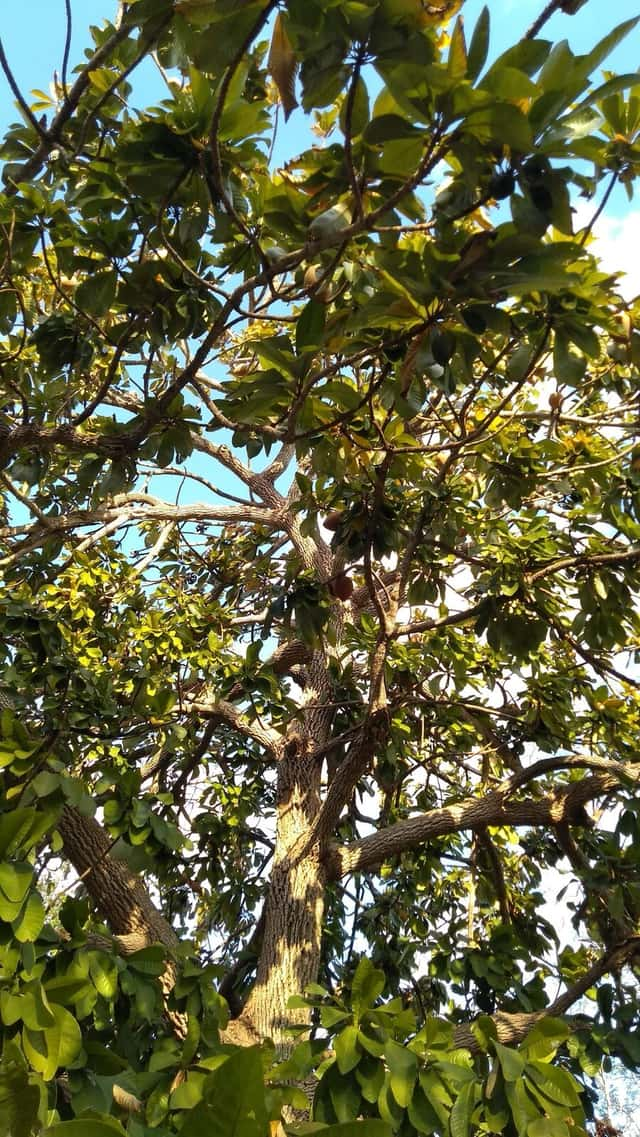
Mamey Sapote (Pouteria sapota) is a medium-care plant from the Sapotaceae family. Mamey sapote is a large fruit tree in the Sapotaceae family, native to Mexico and the Central American lowlands. It usually reaches 40-60 ft (12-18 m), with a thick trunk and a few big limbs. The leaves grow up to 12 in (30 cm) long and cluster at the branch tips; most drop in late winter or spring...
Mamey Sapote grows up to 18.0m, watering every 7 days, 0°C – 30°C. It is not suitable for indoor environments and safe for pets.
Unlike many popular species, Mamey Sapote is safe to keep around pets.
How to Care for Mamey Sapote?
TLDR: Mamey Sapote needs Direct sun, watering every 7 days, and temperatures between 0-30°C with 40-70% humidity.
How Often Should You Water Mamey Sapote?
New tree: water every other day for the first 4 to 6 weeks unless it rains. Mature tree: water once or twice a week in dry weather, especially during flowering and while the fruit sets. Cut back in winter. Skip timer-run sprinklers, which can lead to root rot.
How Much Light Does Mamey Sapote Need?
Plant it in full sun, with at least 8 hours a day. Shield young trees from cold wind, which damages the big leaves.
What Is the Best Soil for Mamey Sapote?
It grows in clay, limestone or sandy soil as long as water drains away. Deep soil with a pH of 6.0 to 7.0 suits it best. If water sits or floods where you live, plant it on a mound. On limestone soil, leaves may yellow from a lack of zinc or manganese.
What Pot Should You Use for Mamey Sapote?
Not a long-term container plant. Where frost happens, keep a young tree in a large pot you can move to shelter when it gets cold.
Care Schedule
Fertilize
Every 60 days
What Is Mamey Sapote and Where Does It Come From?
Mamey sapote is a large fruit tree in the Sapotaceae family, native to Mexico and the Central American lowlands. It usually reaches 40-60 ft (12-18 m), with a thick trunk and a few big limbs. The leaves grow up to 12 in (30 cm) long and cluster at the branch tips; most drop in late winter or spring and regrow quickly. Small whitish-yellow flowers appear right on the branches. The fruit has rough brown skin and sweet flesh that runs from salmon pink to deep red. It can take 13 to 24 months from flower to ripe fruit, so one tree may carry flowers, green fruit and ripe fruit at the same time.
How to Propagate Mamey Sapote?
Grafting
This is the surest way to get good fruit sooner. Graft on warm days with cool nights and fairly dry air.
- 1 Use a seedling about 3 ft (1 m) tall as the rootstock
- 2 Cut a shoot tip from a tree with good fruit and use it the same day
- 3 Make a side graft on the rootstock and tie it firmly
- 4 Keep the plant in part shade until the graft takes
Materials needed:
Seed
A seed-grown tree can take 7 to 10 years to fruit, and the fruit may be worse than the parent's.
- 1 Take the seed from a ripe fruit and rinse off the flesh
- 2 Plant it within a week, since the seed loses viability fast
- 3 To speed things up, make a hairline crack in the seed coat
- 4 Keep the soil moist, not soggy
Materials needed:
How Big Does Mamey Sapote Grow?
TLDR: Mamey Sapote can reach up to 18.0m tall with Medium growth rate.
Max height
18.0m
Foliage
Semi-evergreen
Warning: Toxic Plant
This plant can be toxic if ingested. Keep out of reach of:
Plant Uses
Edible
Can be consumed
Medicinal
Medicinal properties
Medicinal Uses
- Folk use of bark and leaf tea, unproven; bark and leaves may be toxic, so do not use without medical advice
- Seed oil used in home remedies for skin and hair
Culinary Uses
- Ripe flesh eaten fresh with a spoon
- Preserves, jams and frozen desserts
Is your plant showing symptoms?
Click on the symptom to discover possible causes:
What Diseases Commonly Affect Mamey Sapote?
TLDR: Mamey Sapote is susceptible to 14 known diseases. Monitor regularly for early detection.
Root Rot
Root rot is a serious fungal disease that affects the root system of plants, causing them to decay and die. It is primarily caused by overwatering, poor drainage, or soil-borne fungi such as Pythium, Phytophthora, Rhizoctonia, and Fusarium. The disease thrives in waterlogged conditions where roots are deprived of oxygen, making them susceptible to fungal infection.
Pythium Root Rot
Pythium root rot is a serious fungal disease caused by various Pythium species including P. aphanidermatum, P. ultimum, and P. irregulare. These water molds are present in practically all cultivated soils and attack plant roots under wet conditions, causing rapid wet rot that can extend into the stem. The disease is favored by poor drainage, overwatering, and specific temperatures depending on the species.
Overwatering
Overwatering occurs when plants receive too much water, depriving roots of oxygen and causing root rot. This environmental stress is one of the most common causes of houseplant death, as waterlogged soil prevents roots from breathing and functioning properly.
Anthracnose
Anthracnose is a fungal disease caused by fungi in the genus Colletotrichum that affects many plants, including vegetables, fruits, and trees. The disease thrives in cool, wet conditions, causing dark, sunken lesions on leaves, stems, flowers, and fruits.
Fun Facts
The seed only stays viable for a week or two out of the fruit, so it needs planting right away.
In Cuba the flesh becomes a sweet preserve called crema de mamey colorado.
Three or four cultivars planted together can give fruit all year.
Frequently asked questions
How long does a mamey sapote take to fruit?
Can mamey sapote handle cold?
Is mamey sapote toxic?
Why do mamey sapote roots rot?
Compare with similar plants
| Attribute | Difficulty | Light | Watering | Pet Safe |
|---|---|---|---|---|
| Dark Fieldcap | Medium | Low light | 2d | ⚠️ |
| Azalea | Medium | Partial shade | 3d | ⚠️ |
| Muriel's Bamboo | Medium | Partial shade | 3d | ✓ |
| Bougainvillea | Medium | Direct sun | 7d | ⚠️ |
Choose & Compare
Sources & References
- UF/IFAS EDIS - Mamey Sapote Growing in the Florida Home Landscape
- Julia Morton, Fruits of Warm Climates - Sapote
- Epic Gardening - How to Plant, Grow, and Care for Mamey Sapote
- UF/IFAS - Zapote mamey en Florida (via search snippet)
- Portal Fruticola - Que es el mamey o zapote (via search snippet)
- PROSEA - Pouteria sapota (via search snippet)
- De Giosa et al. 2024 - Eriophyes pouteriae on Pouteria sapota (via search snippet)