Rhizophoraceae
Mangrove (Rhizophora)
Rhizophora
Not a typical houseplant. Rhizophora needs full sun, constant brackish-to-saline water at the roots, warm tropical temperatures, and waterlogged muddy or sandy substrate. Best suited to coastal restoration plantings, large aquatic/paludarium setups, or botanical collections rather than pots.
Every 1 days
Direct sun
15° - 35°C
60% - 95%
Categories
What is Mangrove?
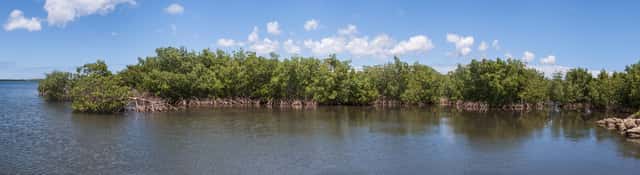
Mangrove (Rhizophora) is a hard-care plant from the Rhizophoraceae family. Rhizophora is a genus of tropical "true mangrove" trees and shrubs in the family Rhizophoraceae, famous for their tangled, arching prop roots that anchor them in shifting, waterlogged coastal mud. Found across intertidal zones in the tropics and subtropics, these evergreen trees tolerate daily tidal...
Mangrove grows up to 24.0m, watering every 1 days, 15°C – 35°C, 60–95% humidity. It is not suitable for indoor environments and safe for pets.
Unlike easy-care plants, Mangrove demands constant attention to humidity and light. Not recommended for beginners. Unlike many popular species, Mangrove is safe to keep around pets.
How to Care for Mangrove?
TLDR: Mangrove needs Direct sun, watering every 1 days, and temperatures between 15-35°C with 60-95% humidity.
How Often Should You Water Mangrove?
Keep roots permanently wet with brackish or saline water; in cultivation simulate tidal inundation rather than a normal watering schedule. Never let the root zone dry out.
How Much Light Does Mangrove Need?
Provide full, direct sun for healthy growth, mimicking open coastal exposure.
What Is the Best Soil for Mangrove?
Waterlogged, saline mud or sandy substrate with poor drainage is natural and required; standard well-drained potting soil is unsuitable.
What Pot Should You Use for Mangrove?
Not applicable for standard pots; cultivate in large aquatic containers, paludariums, or directly in coastal wetland substrate.
What Is Mangrove and Where Does It Come From?
Rhizophora is a genus of tropical "true mangrove" trees and shrubs in the family Rhizophoraceae, famous for their tangled, arching prop roots that anchor them in shifting, waterlogged coastal mud. Found across intertidal zones in the tropics and subtropics, these evergreen trees tolerate daily tidal flooding and high salinity, forming dense mangrove forests that protect shorelines from erosion and storm surge.
How to Propagate Mangrove?
Floating propagule (hypocotyl) propagation
Propagules are already partially developed seedlings, so success rates are high if kept wet, warm, and saline; avoid freshwater or drying out.
- 1 Collect a mature, viviparous propagule (elongated seedling) once it naturally drops from the parent tree
- 2 Float the propagule vertically in shallow brackish water or push the pointed end into soft tidal mud
- 3 Keep it partially submerged and in full sun until root growth anchors it
- 4 Transplant to a permanently saturated saline substrate once anchored
Materials needed:
How Big Does Mangrove Grow?
TLDR: Mangrove can reach up to 24.0m tall with Medium growth rate.
Max height
24.0m
Growth rate
Medium
Foliage
Evergreen
Is your plant showing symptoms?
Click on the symptom to discover possible causes:
What Diseases Commonly Affect Mangrove?
TLDR: Mangrove is susceptible to 5 known diseases. Monitor regularly for early detection.
Root Rot
Root rot is a serious fungal disease that affects the root system of plants, causing them to decay and die. It is primarily caused by overwatering, poor drainage, or soil-borne fungi such as Pythium, Phytophthora, Rhizoctonia, and Fusarium. The disease thrives in waterlogged conditions where roots are deprived of oxygen, making them susceptible to fungal infection.
Sooty Mold
Sooty mold is a fungal disease that develops on surfaces coated with honeydew, a sticky sweet substance secreted by sap-sucking insects like aphids, scale insects, and whiteflies. While it does not directly infect plant tissue, it reduces photosynthetic capacity by blocking sunlight and diminishes the plant's aesthetic appearance.
Leaf Spot
Leaf spot is a common fungal disease caused by various pathogens including Alternaria, Ascochyta, Colletotrichum, Septoria, and Venturia. It primarily affects leaves, causing discolored spots that can lead to premature leaf drop if left untreated.
Scale Insects
Scale insects are small sap-sucking pests that appear as brown, shell-like bumps on plant stems and leaves. There are over 25 species, divided into armored (hard) and unarmored (soft) scales. They feed by piercing plant tissue and extracting sap, which weakens the plant and can lead to yellowing, stunted growth, and even death if left untreated. They also excrete honeydew, which attracts ants and promotes sooty mold growth.
Meaning & Symbolism
Symbol of resilience, coastal protection, and adaptation to harsh saline environments; the prop roots represent stability amid change.
Fun Facts
Rhizophora seeds germinate while still attached to the parent tree, a rare trait called vivipary
Its tangled prop roots trap sediment and can help build new land over time
Mangrove forests store carbon at rates far higher than most tropical forests
A single red mangrove can live for decades, continuously extending new prop roots
Frequently asked questions
Can I grow a mangrove as a houseplant?
How often should I water a mangrove?
Is Rhizophora toxic to pets or humans?
What pests and diseases affect mangroves?
How do mangroves reproduce?
Compare with similar plants
| Attribute | Difficulty | Light | Watering | Pet Safe |
|---|---|---|---|---|
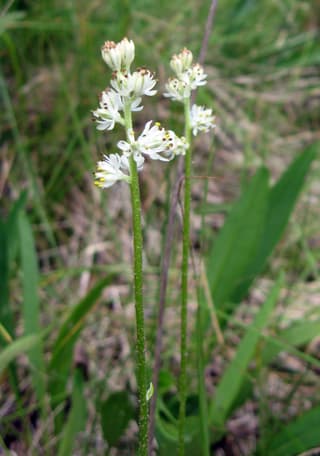
| Sticky false asphodel | Hard | Bright indirect | 1d | ✓ |
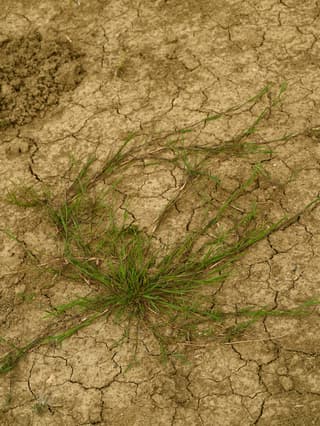
| Creeping bentgrass | Hard | Direct sun | 3d | ✓ |
| Bulbous Adder's-tongue | Hard | Partial shade | 4d | ✓ |
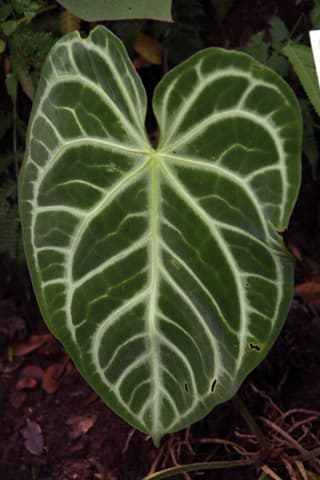
| Crystal Anthurium | Hard | Partial shade | 7d | ⚠️ |