Oleaceae
Manna Ash (Fraxinus ornus) Care Guide
Fraxinus ornus
Grow in full sun in moist, organically rich, well-drained soil. Water regularly while young; established trees tolerate moderate drought. Prune in the dormant season to shape the crown and remove damaged wood. Hardy and low-maintenance once established, though susceptible to several ash pests and diseases.
Every 14 days
Direct sun
-20° - 35°C
40% - 70%
Categories
What is Manna Ash?
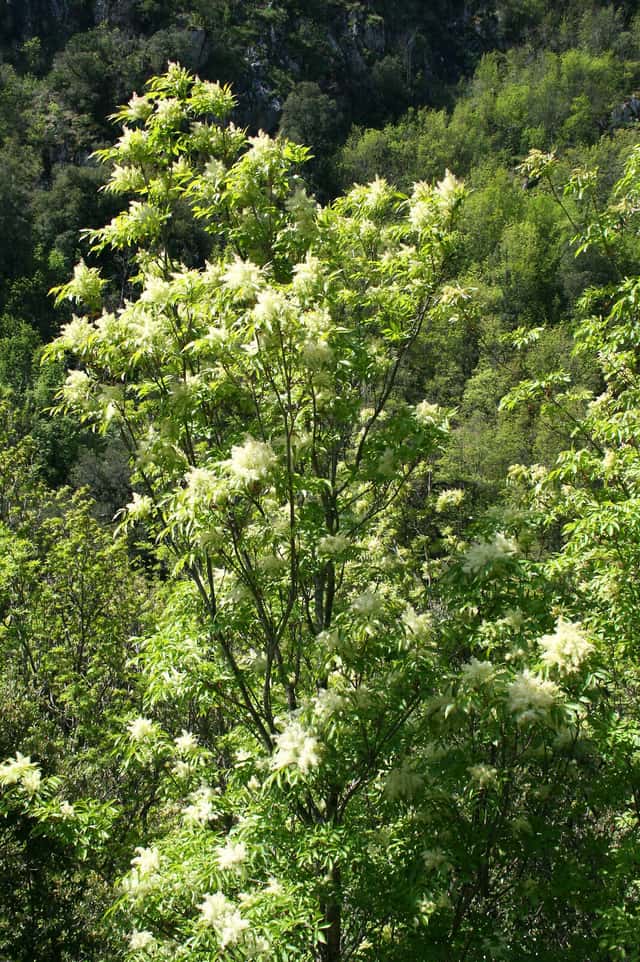
Manna Ash (Fraxinus ornus) is a medium-care plant from the Oleaceae family. A medium-sized deciduous tree native to southern Europe and southwest Asia, prized for its showy clusters of fragrant creamy-white flowers in spring and its historic role as the source of manna, a sweet sap harvested from cuts in the bark. It has odd-pinnate leaves with 5 to 9 leaflets and a rounded...
Manna Ash grows up to 9.0m, spread of 600cm, watering every 14 days, -20°C – 35°C, 40–70% humidity. It is not suitable for indoor environments and safe for pets.
Unlike many popular species, Manna Ash is safe to keep around pets.
How to Care for Manna Ash?
TLDR: Manna Ash needs Direct sun, watering every 14 days, and temperatures between -20-35°C with 40-70% humidity.
How Often Should You Water Manna Ash?
Water young trees deeply and regularly to keep the soil evenly moist. Once established, reduce frequency, as mature trees handle short dry spells well.
How Much Light Does Manna Ash Need?
Plant in full sun for the best flowering and compact form; it tolerates partial shade but blooms less.
What Is the Best Soil for Manna Ash?
Use moist, organically rich soil with good drainage and a slightly acidic to neutral pH. Avoid waterlogged sites.
What Pot Should You Use for Manna Ash?
Typically grown in open ground rather than containers; young saplings can be started in large, deep, well-draining pots before transplanting.
What Is Manna Ash and Where Does It Come From?
A medium-sized deciduous tree native to southern Europe and southwest Asia, prized for its showy clusters of fragrant creamy-white flowers in spring and its historic role as the source of manna, a sweet sap harvested from cuts in the bark. It has odd-pinnate leaves with 5 to 9 leaflets and a rounded crown, reaching about 9 meters in cultivation.
How to Propagate Manna Ash?
Seed propagation
Seeds often show delayed, uneven germination and may need a period of warm stratification followed by cold stratification to break dormancy.
- 1 Collect ripe winged seeds (samaras) in autumn
- 2 Sow about 1 cm deep in a prepared seedbed or deep pots
- 3 Keep the soil consistently moist and mulch lightly
- 4 Leave seedlings in the nursery bed for about 2 years before transplanting
Materials needed:
How Big Does Manna Ash Grow?
TLDR: Manna Ash can reach up to 9.0m tall with Medium growth rate.
Max height
9.0m
Spread
6.0m
Growth rate
Medium
Foliage
Deciduous
Plant Uses
Ornamental
Great for decoration
Medicinal
Medicinal properties
Aromatic
Pleasant fragrance
Medicinal Uses
- Bark sap ("manna") traditionally dried and used as a mild natural laxative
Is your plant showing symptoms?
Click on the symptom to discover possible causes:
What Diseases Commonly Affect Manna Ash?
TLDR: Manna Ash is susceptible to 9 known diseases. Monitor regularly for early detection.
Verticillium Wilt
Verticillium wilt is a soil-borne fungal disease caused primarily by the fungi Verticillium dahliae and V. albo-atrum. These pathogens infect plant roots and grow within the vascular tissues, blocking water and nutrient transport, resulting in wilting and eventual plant death. The disease affects over 350 plant species including vegetables, fruits, ornamental flowers, and trees. The fungi can survive in soil for more than 10 years as resistant structures called microsclerotia.
Powdery Mildew
Powdery mildew is a common fungal disease caused by various fungi species including Erysiphe, Podosphaera, Oïdium, and Leveillula. It affects over 10,000 plant species worldwide. The disease thrives in warm, dry climates with high humidity and appears as a distinctive white powdery coating on plant surfaces.
Anthracnose
Anthracnose is a fungal disease caused by fungi in the genus Colletotrichum that affects many plants, including vegetables, fruits, and trees. The disease thrives in cool, wet conditions, causing dark, sunken lesions on leaves, stems, flowers, and fruits.
Leaf Spot
Leaf spot is a common fungal disease caused by various pathogens including Alternaria, Ascochyta, Colletotrichum, Septoria, and Venturia. It primarily affects leaves, causing discolored spots that can lead to premature leaf drop if left untreated.
Meaning & Symbolism
Long associated with sweetness and healing due to the manna sap harvested from its bark, and part of the broader ash-tree folklore of strength and protection in European tradition.
Fun Facts
Its bark can be tapped to harvest manna, a sweet sap dried into a traditional mild laxative.
Unlike many ash relatives, it shows strong natural resistance to ash dieback disease.
Its fragrant, showy flower clusters are unusual among ash trees, most of which have inconspicuous blooms.
Frequently asked questions
Is Manna Ash toxic to pets?
How fast does Manna Ash grow?
What diseases affect Manna Ash?
Does Manna Ash need full sun?
Compare with similar plants
| Attribute | Difficulty | Light | Watering | Pet Safe |
|---|---|---|---|---|
| Dark Fieldcap | Medium | Low light | 2d | ⚠️ |
| Azalea | Medium | Partial shade | 3d | ⚠️ |
| Muriel's Bamboo | Medium | Partial shade | 3d | ✓ |
| Bougainvillea | Medium | Direct sun | 7d | ⚠️ |
Choose & Compare
Sources & References
- Fraxinus ornus - PFAF Plant Database
- Fraxinus ornus - Missouri Botanical Garden Plant Finder
- Fraxinus ornus (Flowering Ash) - Gardenia.net
- Genomic prediction of resistance to Hymenoscyphus fraxineus in common ash populations
- Fresno de flor, Orno, Fresno del Mana - infojardin
- Fraxinus ornus - Freixo-florido - Arvores e Arbustos de Portugal




