Apocynaceae
Orbea mcloughlinii: Low Water Needs
Orbea mcloughlinii
Requires a lightweight substrate with plenty of coarse sand and excellent drainage. Water sparingly during spring and summer and almost not at all in winter. Provide abundant light, ranging from bright indirect light to full sun; more sunlight encourages better flowering. In winter, it can tolerate temperatures between 41°F and 50°F (5-10°C) if the substrate is completely dry. Watch out for root mealybugs.
Every 14 days
Bright indirect
5° - 35°C
20% - 50%
Categories
What is Orbea mcloughlinii?
Orbea mcloughlinii (Orbea mcloughlinii) is a medium-care plant from the Apocynaceae family. Orbea mcloughlinii (also spelled Orbea macloughlinii) is a leafless succulent in the Apocynaceae family, belonging to the stapeliad group. It forms low-growing clumps of fleshy, toothed stems. It is endemic to South Africa, growing in dry, shallow soils of the former Transkei in the Eastern Cape and...
Orbea mcloughlinii grows up to watering every 14 days, 5°C – 35°C, 20–50% humidity. It is suitable for indoor environments and safe for pets.
Unlike many popular species, Orbea mcloughlinii is safe to keep around pets. Without adequate drainage, root rot can develop within 28 days.
How to Care for Orbea mcloughlinii?
TLDR: Orbea mcloughlinii needs Bright indirect, watering every 14 days, and temperatures between 5-35°C with 20-50% humidity.
How Often Should You Water Orbea mcloughlinii?
Water only when the substrate is completely dry, approximately every two weeks during the growing season, and do so lightly. In winter, almost cease watering: cold combined with humidity rots the base of the stems. If possible, use rainwater.
How Much Light Does Orbea mcloughlinii Need?
Prefers intense light: from bright indirect light to soft direct sun. It flowers more easily with more sun; in the shade, the stems do not develop color and it flowers poorly.
What Is the Best Soil for Orbea mcloughlinii?
Use a cactus mix with plenty of coarse sand, pumice, or gravel, and a pot with a drainage hole. A layer of gravel on top of the substrate keeps the base of the stems dry and reduces the risk of rot.
What Pot Should You Use for Orbea mcloughlinii?
Shallow clay or terracotta pot with a good drainage hole; clay helps the substrate dry out quickly.
Care Schedule
Fertilize
Every 30 days
What Is Orbea mcloughlinii and Where Does It Come From?
Orbea mcloughlinii (also spelled Orbea macloughlinii) is a leafless succulent in the Apocynaceae family, belonging to the stapeliad group. It forms low-growing clumps of fleshy, toothed stems. It is endemic to South Africa, growing in dry, shallow soils of the former Transkei in the Eastern Cape and the Mzimkulu River valleys in southern KwaZulu-Natal. It blooms in late summer and autumn with the star-shaped flowers typical of the genus. In its native range, it is harvested by local people as a food source.
How to Propagate Orbea mcloughlinii?
Stem cutting
The stems are very fleshy: if you do not let the cut dry thoroughly, they will rot. Keep the cutting in bright light but away from strong sun until it takes root.
- 1 Cut a healthy stem at its base using a clean tool
- 2 Let the cut dry in the shade for one week
- 3 Plant each cutting individually in dry or barely moist cactus substrate
- 4 Water sparingly until you see new growth
Materials needed:
Seeds
Seeds from cultivated plants may result in hybrids.
- 1 Sow on the surface of a sandy substrate
- 2 Cover very lightly with fine sand
- 3 Keep moist and warm until they germinate
- 4 Reduce watering as the seedlings grow
Materials needed:
How Big Does Orbea mcloughlinii Grow?
TLDR: Orbea mcloughlinii can reach up to ?cm tall with Medium growth rate.
Foliage
Evergreen
Plant Uses
Ornamental
Great for decoration
Is your plant showing symptoms?
Click on the symptom to discover possible causes:
What Diseases Commonly Affect Orbea mcloughlinii?
TLDR: Orbea mcloughlinii is susceptible to 3 known diseases. Monitor regularly for early detection.
Mealybugs
Mealybugs are small, soft-bodied insects covered with a white, waxy, cottony material. They are common pests of houseplants and outdoor plants in mild climates. These sap-sucking insects feed on plant tissue, causing damage, stunted growth, and can lead to plant death if left untreated. They produce sticky honeydew which attracts sooty mold.
Root Rot
Root rot is a serious fungal disease that affects the root system of plants, causing them to decay and die. It is primarily caused by overwatering, poor drainage, or soil-borne fungi such as Pythium, Phytophthora, Rhizoctonia, and Fusarium. The disease thrives in waterlogged conditions where roots are deprived of oxygen, making them susceptible to fungal infection.
Overwatering
Overwatering occurs when plants receive too much water, depriving roots of oxygen and causing root rot. This environmental stress is one of the most common causes of houseplant death, as waterlogged soil prevents roots from breathing and functioning properly.
Compare with similar plants
| Attribute | Difficulty | Light | Watering | Pet Safe |
|---|---|---|---|---|
| Dark Fieldcap | Medium | Low light | 2d | ⚠️ |
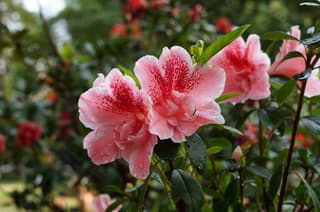
| Azalea | Medium | Partial shade | 3d | ⚠️ |
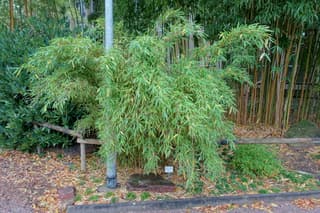
| Muriel's Bamboo | Medium | Partial shade | 3d | ✓ |
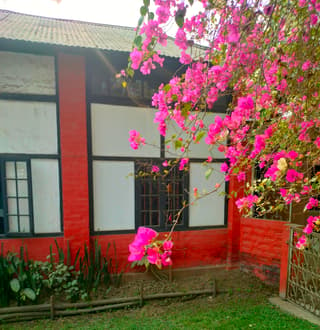
| Bougainvillea | Medium | Direct sun | 7d | ⚠️ |