Lamiaceae
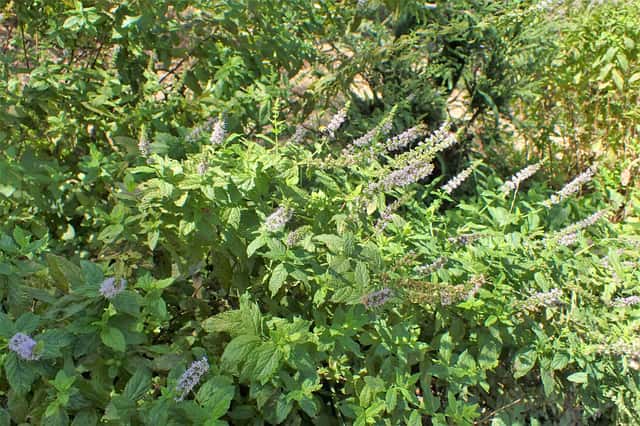
Mint (genus): Ground Cover Plant
Mentha
Grow in full sun to partial shade. Water every 3-5 days keeping soil consistently moist. Fertilize monthly during the growing season. Prune regularly to encourage fresh foliage and prevent excessive flowering.
Every 4 days
Bright indirect
-20° - 35°C
40% - 70%
Categories
What is Mint (genus)?
Mint (genus) (Mentha) is a easy-care plant from the Lamiaceae family. Mentha is a genus of aromatic herbs in the Lamiaceae family, widely grown for culinary and medicinal uses. It includes peppermint (M. piperita) and spearmint (M. spicata). Mint grows vigorously and can become invasive in garden beds.
Mint (genus) grows up to 90cm, spread of 60cm, watering every 4 days, -20°C – 35°C, 40–70% humidity. It is suitable for indoor environments and not safe for pets.
Unlike many tropical plants, Mint (genus) tolerates watering mistakes. Best for beginners. Without precautions, ingestion can cause irritation in pets. Keep out of reach of cats and dogs. Without adequate drainage, root rot can develop within 8 days.
How to Care for Mint (genus)?
TLDR: Mint (genus) needs Bright indirect, watering every 4 days, and temperatures between -20-35°C with 40-70% humidity.
Care Schedule
Fertilize
Every 30 days
Misting
Every 3 days
Rotate
Every 7 days
Repot
Every 365 days
What Is Mint (genus) and Where Does It Come From?
Mentha is a genus of aromatic herbs in the Lamiaceae family, widely grown for culinary and medicinal uses. It includes peppermint (M. piperita) and spearmint (M. spicata). Mint grows vigorously and can become invasive in garden beds.
How Big Does Mint (genus) Grow?
TLDR: Mint (genus) can reach up to 90cm tall with Fast growth rate.
Max height
90cm
Spread
60cm
Growth rate
Fast
Foliage
Deciduous
Warning: Toxic Plant
This plant can be toxic if ingested. Keep out of reach of:
Plant Uses
Edible
Can be consumed
Medicinal
Medicinal properties
Aromatic
Pleasant fragrance
Ornamental
Great for decoration
Ground Cover
Soil coverage
Is your plant showing symptoms?
Click on the symptom to discover possible causes:
What Diseases Commonly Affect Mint (genus)?
TLDR: Mint (genus) is susceptible to 5 known diseases. Monitor regularly for early detection.
Rust
Rust is a common fungal disease caused by fungi in the order Pucciniales that affects a wide variety of plants. The disease gets its name from the characteristic orange, yellow, or reddish-brown pustules that appear on leaves, resembling metal rust. This obligate fungal parasite requires living plants to survive and can cause significant economic losses in agricultural crops.
Powdery Mildew
Powdery mildew is a common fungal disease caused by various fungi species including Erysiphe, Podosphaera, Oïdium, and Leveillula. It affects over 10,000 plant species worldwide. The disease thrives in warm, dry climates with high humidity and appears as a distinctive white powdery coating on plant surfaces.
Leaf Spot
Leaf spot is a common fungal disease caused by various pathogens including Alternaria, Ascochyta, Colletotrichum, Septoria, and Venturia. It primarily affects leaves, causing discolored spots that can lead to premature leaf drop if left untreated.
Spider Mites
Spider mites are tiny arachnids (less than 1/20 inch long) related to spiders and ticks that feed on plant sap. They thrive in hot, dry conditions and can cause significant damage to ornamental and vegetable plants. During severe infestations, crop losses can reach 14% or higher as these pests disrupt vital plant processes including photosynthesis, carbon dioxide absorption, and transpiration.
Compare with similar plants
| Attribute | Difficulty | Light | Watering | Pet Safe |
|---|---|---|---|---|
| Field Maple | Easy | Bright indirect | 14d | ✓ |
| Silver Birch | Easy | Direct sun | 14d | ✓ |
| Common Blanketflower | Easy | Direct sun | 10d | ✓ |
| Cushion Bush | Easy | Direct sun | 14d | ✓ |





