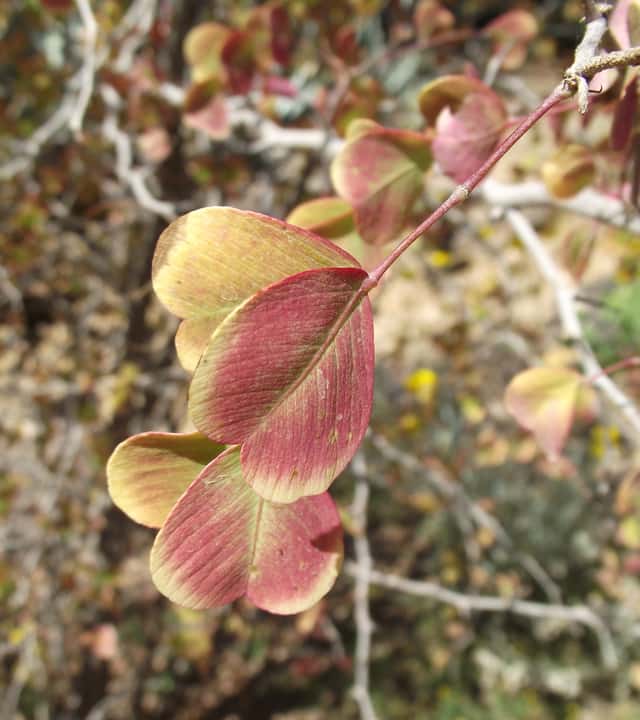
Fabaceae
Mexican Logwood: Medicinal Uses & Care Tips
Haematoxylum brasiletto
Prefers full sun and well-drained soil, tolerating long periods of drought once established. Water moderately during active growth and significantly reduce watering during the dry season or winter. It has a moderate growth rate and is generally free of serious pests, but it is sensitive to waterlogged soil, which can cause root rot.
Every 14 days
Bright indirect
-4° - 40°C
% - %
Categories
What is Mexican Logwood?
Mexican Logwood (Haematoxylum brasiletto) is a medium-care plant from the Fabaceae family. The Mexican Logwood (Haematoxylum brasiletto) is a small tree or thorny shrub native to Mexico, Central America, and northern Colombia, belonging to the Fabaceae family. It grows between 2 and 15 meters tall, featuring a twisted, fluted trunk and an intense red heartwood, historically used for extra...
Mexican Logwood grows up to 9.0m, spread of 600cm, watering every 14 days, -4°C – 40°C. It is not suitable for indoor environments and safe for pets.
Unlike many popular species, Mexican Logwood is safe to keep around pets.
How to Care for Mexican Logwood?
TLDR: Mexican Logwood needs Bright indirect, watering every 14 days, and temperatures between -4-40°C with 40-70% humidity.
How Often Should You Water Mexican Logwood?
Water deeply every 2 weeks in the summer and reduce to once a month or less in the winter; allow the soil to dry out almost completely between waterings, as the plant tolerates drought much better than excess water.
How Much Light Does Mexican Logwood Need?
Grow in a location with full sun to partial shade, ensuring at least 6 to 8 hours of direct light per day for optimal flowering and growth.
What Is the Best Soil for Mexican Logwood?
Use well-drained, sandy to loamy-calcareous soil with a pH between 6.0 and 7.5. The plant tolerates poor and rocky soils but cannot withstand waterlogging.
What Pot Should You Use for Mexican Logwood?
As a young sapling, it can be grown in a wide and deep pot with good drainage holes and a well-drained mineral substrate (such as a cactus or citrus mix); as it matures, it develops better when planted directly in the ground due to its tree-like size.
Care Schedule
Fertilize
Every 180 days
Repot
Every 730 days
What Is Mexican Logwood and Where Does It Come From?
The Mexican Logwood (Haematoxylum brasiletto) is a small tree or thorny shrub native to Mexico, Central America, and northern Colombia, belonging to the Fabaceae family. It grows between 2 and 15 meters tall, featuring a twisted, fluted trunk and an intense red heartwood, historically used for extracting textile dye (hematoxylin). Its leaves are pinnate with heart-shaped leaflets, and the branches bear rigid thorns up to 2 cm long. It produces small clusters of fragrant yellow flowers, followed by copper-colored seed pods. It is extremely drought and heat resistant, thriving in rocky, alkaline soils of tropical deciduous forests and thorn scrubs.
How to Propagate Mexican Logwood?
Seed Propagation
Lightly scarifying the seed coat can speed up germination.
- 1 Soak seeds in water for 24 hours before planting
- 2 Plant in light, well-drained substrate at a depth of about 1 cm
- 3 Keep moist and in a warm location until germination
Materials needed:
Stem Cuttings
Use clean, sharp tools; avoid excess moisture to prevent the cutting from rotting.
- 1 Cut a 15-20 cm cutting from a healthy semi-woody branch
- 2 Remove lower leaves and apply rooting hormone to the cut
- 3 Plant in light, well-drained substrate, keeping it slightly moist
Materials needed:
Air Layering
A slower method, recommended for more mature specimens.
- 1 Select a flexible branch near the base of the plant
- 2 Lightly wound the bark in the area to be rooted and cover with moist substrate
- 3 Keep moist until roots develop before separating from the mother plant
Materials needed:
How Big Does Mexican Logwood Grow?
TLDR: Mexican Logwood can reach up to 9.0m tall with Medium growth rate.
Max height
9.0m
Spread
6.0m
Growth rate
Medium
Foliage
Deciduous
Plant Uses
Ornamental
Great for decoration
Medicinal
Medicinal properties
Medicinal Uses
- Blood strengthening and treatment of anemia
- Kidney problems and urinary tract infections
- Hypertension
- Cramps and digestive issues
- Blood purification and wound healing
Is your plant showing symptoms?
Click on the symptom to discover possible causes:
What Diseases Commonly Affect Mexican Logwood?
TLDR: Mexican Logwood is susceptible to 4 known diseases. Monitor regularly for early detection.
Aphids
Aphids are small, soft-bodied, pear-shaped insects (1/16 to 1/8 inch long) that feed by sucking nutrient-rich sap from plants. They reproduce rapidly and can quickly weaken plants, causing distorted growth and transmitting plant viruses. Aphids come in various colors including green, black, red, yellow, brown, and gray. They secrete honeydew, a sticky substance that attracts ants and encourages sooty mold growth.
Mealybugs
Mealybugs are small, soft-bodied insects covered with a white, waxy, cottony material. They are common pests of houseplants and outdoor plants in mild climates. These sap-sucking insects feed on plant tissue, causing damage, stunted growth, and can lead to plant death if left untreated. They produce sticky honeydew which attracts sooty mold.
Root Rot
Root rot is a serious fungal disease that affects the root system of plants, causing them to decay and die. It is primarily caused by overwatering, poor drainage, or soil-borne fungi such as Pythium, Phytophthora, Rhizoctonia, and Fusarium. The disease thrives in waterlogged conditions where roots are deprived of oxygen, making them susceptible to fungal infection.
Scale Insects
Scale insects are small sap-sucking pests that appear as brown, shell-like bumps on plant stems and leaves. There are over 25 species, divided into armored (hard) and unarmored (soft) scales. They feed by piercing plant tissue and extracting sap, which weakens the plant and can lead to yellowing, stunted growth, and even death if left untreated. They also excrete honeydew, which attracts ants and promotes sooty mold growth.
Meaning & Symbolism
Associated with strength and resilience in the face of drought; its blood-red heartwood was historically valued as a precious dye and traditional medicine in Mesoamerican cultures, symbolizing vitality and healing.
Compare with similar plants
| Attribute | Difficulty | Light | Watering | Pet Safe |
|---|---|---|---|---|
| Dark Fieldcap | Medium | Low light | 2d | ⚠️ |
| Azalea | Medium | Partial shade | 3d | ⚠️ |
| Muriel's Bamboo | Medium | Partial shade | 3d | ✓ |
| Bougainvillea | Medium | Direct sun | 7d | ⚠️ |




