Rutaceae
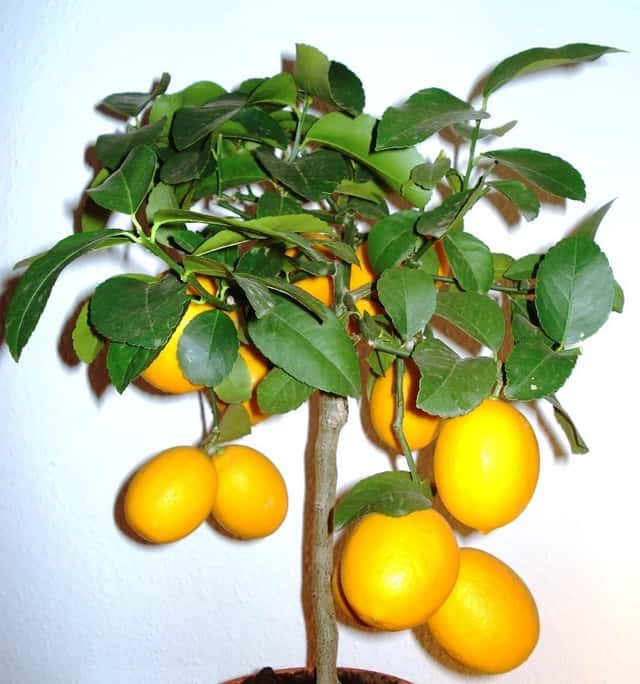
Meyer lemon: Aromatic Plant
Citrus x meyeri
Grow in full sun (at least 6-8 hours daily), water when the top few inches of soil dry out, and use well-draining, slightly acidic soil. Thrives in containers but cannot tolerate frost.
Every 7 days
Direct sun
10° - 32°C
40% - 60%
Categories
What is Meyer lemon?
Meyer lemon (Citrus x meyeri) is a medium-care plant from the Rutaceae family. The Meyer lemon (Citrus x meyeri) is a citrus hybrid native to China, believed to be a cross between a true lemon and either a mandarin orange or a common orange. It was introduced to the United States in 1908 by agricultural explorer Frank Meyer. This small evergreen tree is highly popular as both...
Meyer lemon grows up to 3.0m, spread of 240cm, watering every 7 days, 10°C – 32°C, 40–60% humidity. It is suitable for indoor environments and not safe for pets.
Without precautions, ingestion can cause irritation in pets. Keep out of reach of cats and dogs. Without adequate drainage, root rot can develop within 14 days.
How to Care for Meyer lemon?
TLDR: Meyer lemon needs Direct sun, watering every 7 days, and temperatures between 10-32°C with 40-60% humidity.
How Often Should You Water Meyer lemon?
Water deeply and allow the top 1-2 inches of soil to dry between waterings; avoid soggy, waterlogged soil as it can kill the tree.
How Much Light Does Meyer lemon Need?
Needs full, direct sun — a minimum of 6 to 8 hours daily. When grown indoors, place near a south-facing window or supplement with grow lights.
What Is the Best Soil for Meyer lemon?
Prefers well-draining sandy loam soil with a slightly acidic to neutral pH (6.0-7.0). For container growing, use a well-aerated, organic potting mix.
What Pot Should You Use for Meyer lemon?
Terracotta or ceramic pot with drainage holes, sized proportionally to the tree, helps regulate soil moisture.
Care Schedule
Fertilize
Every 60 days
Rotate
Every 14 days
Repot
Every 730 days
What Is Meyer lemon and Where Does It Come From?
The Meyer lemon (Citrus x meyeri) is a citrus hybrid native to China, believed to be a cross between a true lemon and either a mandarin orange or a common orange. It was introduced to the United States in 1908 by agricultural explorer Frank Meyer. This small evergreen tree is highly popular as both an ornamental and fruiting plant, well-suited to garden beds and container growing. Its fruit is sweeter and less acidic than a true lemon, with a thin, deep yellow-orange rind. It produces fragrant white flowers, sometimes tinged purple in bud.
How to Propagate Meyer lemon?
Grafting
The commercially preferred method since it produces fruit within 2 years and preserves varietal traits.
- 1 Select a healthy citrus rootstock
- 2 Make a T-cut or bud slit in the rootstock
- 3 Insert a bud or scion from a Meyer lemon
- 4 Wrap and protect the graft union until it takes
Materials needed:
Stem cutting
Use a humidity dome or plastic bag to keep moisture high while rooting.
- 1 Cut a 6-8in (15-20cm) semi-hardwood stem
- 2 Remove lower leaves and apply rooting hormone
- 3 Plant in light potting mix and keep moist with bottom heat
Materials needed:
Air layering
Produces a larger, faster-established plant than stem cuttings.
- 1 Girdle the bark on a healthy branch
- 2 Wrap with moist sphagnum moss and plastic film
- 3 Wait until roots form before separating from the parent plant
Materials needed:
Seed
Seed-grown trees can take up to 7 years to fruit and may not stay true to the parent variety.
- 1 Extract seeds from a ripe fruit and rinse clean
- 2 Plant about 1cm deep in moist seed-starting mix
- 3 Keep warm and moist until germination
Materials needed:
How Big Does Meyer lemon Grow?
TLDR: Meyer lemon can reach up to 3.0m tall with Medium growth rate.
Max height
3.0m
Spread
2.4m
Growth rate
Medium
Foliage
Evergreen
Warning: Toxic Plant
This plant can be toxic if ingested. Keep out of reach of:
Plant Uses
Edible
Can be consumed
Ornamental
Great for decoration
Aromatic
Pleasant fragrance
Medicinal Uses
- Vitamin C source traditionally used for cold symptom relief
- Used in traditional digestive and soothing teas
Culinary Uses
- Fresh juice for drinks and lemonade
- Zest for desserts and baking
- Seasoning for savory dishes and sauces
- Preserves and marmalade
Is your plant showing symptoms?
Click on the symptom to discover possible causes:
What Diseases Commonly Affect Meyer lemon?
TLDR: Meyer lemon is susceptible to 5 known diseases. Monitor regularly for early detection.
Root Rot
Root rot is a serious fungal disease that affects the root system of plants, causing them to decay and die. It is primarily caused by overwatering, poor drainage, or soil-borne fungi such as Pythium, Phytophthora, Rhizoctonia, and Fusarium. The disease thrives in waterlogged conditions where roots are deprived of oxygen, making them susceptible to fungal infection.
Spider Mites
Spider mites are tiny arachnids (less than 1/20 inch long) related to spiders and ticks that feed on plant sap. They thrive in hot, dry conditions and can cause significant damage to ornamental and vegetable plants. During severe infestations, crop losses can reach 14% or higher as these pests disrupt vital plant processes including photosynthesis, carbon dioxide absorption, and transpiration.
Scale Insects
Scale insects are small sap-sucking pests that appear as brown, shell-like bumps on plant stems and leaves. There are over 25 species, divided into armored (hard) and unarmored (soft) scales. They feed by piercing plant tissue and extracting sap, which weakens the plant and can lead to yellowing, stunted growth, and even death if left untreated. They also excrete honeydew, which attracts ants and promotes sooty mold growth.
Aphids
Aphids are small, soft-bodied, pear-shaped insects (1/16 to 1/8 inch long) that feed by sucking nutrient-rich sap from plants. They reproduce rapidly and can quickly weaken plants, causing distorted growth and transmitting plant viruses. Aphids come in various colors including green, black, red, yellow, brown, and gray. They secrete honeydew, a sticky substance that attracts ants and encourages sooty mold growth.
Meaning & Symbolism
Citrus trees like lemon are widely associated with prosperity, abundance, purification, and hospitality across cultures.
Compare with similar plants
| Attribute | Difficulty | Light | Watering | Pet Safe |
|---|---|---|---|---|
| Dark Fieldcap | Medium | Low light | 2d | ⚠️ |
| Azalea | Medium | Partial shade | 3d | ⚠️ |
| Muriel's Bamboo | Medium | Partial shade | 3d | ✓ |
| Bougainvillea | Medium | Direct sun | 7d | ⚠️ |
Choose & Compare
Sources & References
- Meyer Lemon Tree: Complete Care And Growing Guide - Gardening Know How
- How to grow Meyer lemons successfully in the Pacific Northwest - OSU Extension
- How To Care for a Meyer Lemon - The Sill
- How to Plant, Grow, and Care for Meyer Lemon Trees - Epic Gardening
- Toxic and Non-toxic Plants: Lemon - ASPCA
- Meyer Lemon Tree Problems and Solutions - Gardenine
- Citrus Tree Diseases & Pests: ID and Treatment - TreeHelp




