Cactaceae
Micranthocereus: Full Sun Plant
Micranthocereus
A cactus of moderate cultivation that requires strong light, infrequent watering, and extremely well-draining substrate. It thrives outdoors in hot, dry climates but can also be grown in pots as long as it receives plenty of sun and its roots are never waterlogged.
Every 21 days
Direct sun
10° - 38°C
10% - 40%
Categories
What is Micranthocereus?
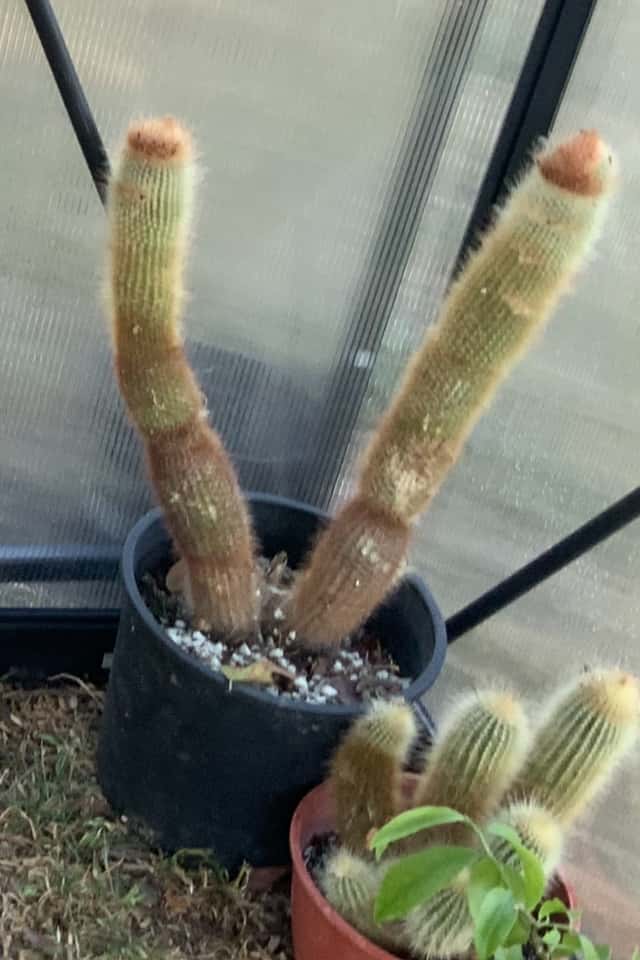
Micranthocereus (Micranthocereus) is a medium-care plant from the Cactaceae family. Micranthocereus is a genus of columnar cacti endemic to Brazil, with about ten species distributed mainly throughout Bahia and Minas Gerais, in Caatinga environments, rocky fields (campos rupestres), and quartzite rock outcrops. The stems are erect, branched at the base, and covered by low ribs and...
Micranthocereus grows up to 6.0m, spread of 150cm, watering every 21 days, 10°C – 38°C, 10–40% humidity. It is suitable for indoor environments and safe for pets.
Unlike many popular species, Micranthocereus is safe to keep around pets. Without adequate drainage, root rot can develop within 42 days.
How to Care for Micranthocereus?
TLDR: Micranthocereus needs Direct sun, watering every 21 days, and temperatures between 10-38°C with 10-40% humidity.
How Often Should You Water Micranthocereus?
Water only when the substrate is completely dry, every 2-3 weeks in spring and summer, reducing to once a month in fall and winter. Excess water is the main cause of root rot—when in doubt, wait a little longer.
How Much Light Does Micranthocereus Need?
Prefers direct to intense sunlight for several hours a day. Newly acquired specimens or young seedlings should be gradually acclimated to full sun to avoid stem scorch.
What Is the Best Soil for Micranthocereus?
Use a well-draining mineral substrate based on coarse sand, pumice, or perlite, with a slightly acidic to neutral pH (6.0-7.5). Pots without drainage holes should be avoided at all costs.
What Pot Should You Use for Micranthocereus?
Clay or terracotta pot with a generous drainage hole and, if possible, a layer of gravel at the bottom—the porous material helps evaporate excess moisture from the substrate.
Care Schedule
Fertilize
Every 42 days
Repot
Every 730 days
What Is Micranthocereus and Where Does It Come From?
Micranthocereus is a genus of columnar cacti endemic to Brazil, with about ten species distributed mainly throughout Bahia and Minas Gerais, in Caatinga environments, rocky fields (campos rupestres), and quartzite rock outcrops. The stems are erect, branched at the base, and covered by low ribs and woolly areoles from which white to brown spines emerge. A woolly cephalium—a whitish fuzzy structure from which flowers bloom—forms at the top of older stems. The flowers are tubular, usually white, sometimes yellowish or pinkish, opening at night and pollinated by bats and moths, followed by globose and fleshy fruits. It is a hardy plant, adapted to long periods of drought, intense light, and poor, well-drained soils, making it highly sought after by cactus collectors for its sculptural form and resilience.
How to Propagate Micranthocereus?
How Big Does Micranthocereus Grow?
TLDR: Micranthocereus can reach up to 6.0m tall with Slow growth rate.
Max height
6.0m
Spread
1.5m
Growth rate
Slow
Foliage
Evergreen
Plant Uses
Ornamental
Great for decoration
Is your plant showing symptoms?
Click on the symptom to discover possible causes:
What Diseases Commonly Affect Micranthocereus?
TLDR: Micranthocereus is susceptible to 5 known diseases. Monitor regularly for early detection.
Root Rot
Root rot is a serious fungal disease that affects the root system of plants, causing them to decay and die. It is primarily caused by overwatering, poor drainage, or soil-borne fungi such as Pythium, Phytophthora, Rhizoctonia, and Fusarium. The disease thrives in waterlogged conditions where roots are deprived of oxygen, making them susceptible to fungal infection.
Mealybugs
Mealybugs are small, soft-bodied insects covered with a white, waxy, cottony material. They are common pests of houseplants and outdoor plants in mild climates. These sap-sucking insects feed on plant tissue, causing damage, stunted growth, and can lead to plant death if left untreated. They produce sticky honeydew which attracts sooty mold.
Spider Mites
Spider mites are tiny arachnids (less than 1/20 inch long) related to spiders and ticks that feed on plant sap. They thrive in hot, dry conditions and can cause significant damage to ornamental and vegetable plants. During severe infestations, crop losses can reach 14% or higher as these pests disrupt vital plant processes including photosynthesis, carbon dioxide absorption, and transpiration.
Scale Insects
Scale insects are small sap-sucking pests that appear as brown, shell-like bumps on plant stems and leaves. There are over 25 species, divided into armored (hard) and unarmored (soft) scales. They feed by piercing plant tissue and extracting sap, which weakens the plant and can lead to yellowing, stunted growth, and even death if left untreated. They also excrete honeydew, which attracts ants and promotes sooty mold growth.
Meaning & Symbolism
In the popular culture of the Brazilian Northeast backlands (sertão), columnar cacti like the Micranthocereus symbolize resilience, perseverance, and the ability to bloom even in the most arid and hostile environments.
Compare with similar plants
| Attribute | Difficulty | Light | Watering | Pet Safe |
|---|---|---|---|---|
| Dark Fieldcap | Medium | Low light | 2d | ⚠️ |
| Azalea | Medium | Partial shade | 3d | ⚠️ |
| Muriel's Bamboo | Medium | Partial shade | 3d | ✓ |
| Bougainvillea | Medium | Direct sun | 7d | ⚠️ |




