Araucariaceae
Araucaria araucana (Monkey Puzzle Tree)
Araucaria araucana
Give it plenty of light (full sun to partial shade), water regularly without waterlogging the soil, and plant it in well-drained, slightly acidic soil. It tolerates cold well once established but is sensitive to excess moisture at the roots.
Every 10 days
Direct sun
-15° - 30°C
40% - 70%
Categories
What is Monkey Puzzle Tree?
Monkey Puzzle Tree (Araucaria araucana) is a hard-care plant from the Araucariaceae family. Araucaria araucana, widely known as the monkey puzzle tree, is a large, slow-growing conifer native to the Andean forests of Chile and Argentina. It is a sacred tree for the Mapuche-Pehuenche people, whose traditional diet includes its edible seeds (piñones). With its striking spiral of sharp, trian...
Monkey Puzzle Tree grows up to 30.0m, spread of 900cm, watering every 10 days, -15°C – 30°C, 40–70% humidity. It is not suitable for indoor environments and safe for pets.
Unlike easy-care plants, Monkey Puzzle Tree demands constant attention to humidity and light. Not recommended for beginners. Unlike many popular species, Monkey Puzzle Tree is safe to keep around pets.
How to Care for Monkey Puzzle Tree?
TLDR: Monkey Puzzle Tree needs Direct sun, watering every 10 days, and temperatures between -15-30°C with 40-70% humidity.
How Often Should You Water Monkey Puzzle Tree?
Water every 7-10 days during spring and summer, letting the top layer of soil dry out between waterings; reduce frequency in winter to prevent waterlogging and root rot.
How Much Light Does Monkey Puzzle Tree Need?
Place it in a very bright spot, in full sun or light partial shade; young trees benefit from some protection against the most intense midday sun.
What Is the Best Soil for Monkey Puzzle Tree?
Use well-drained, slightly acidic soil rich in organic matter; avoid compacted or waterlogged ground.
What Pot Should You Use for Monkey Puzzle Tree?
Young trees can be grown in a large, deep, well-draining pot, but due to their eventual size they need to be transplanted into open ground long-term.
What Is Monkey Puzzle Tree and Where Does It Come From?
Araucaria araucana, widely known as the monkey puzzle tree, is a large, slow-growing conifer native to the Andean forests of Chile and Argentina. It is a sacred tree for the Mapuche-Pehuenche people, whose traditional diet includes its edible seeds (piñones). With its striking spiral of sharp, triangular leaves, this ancient conifer can live for centuries and reach great heights in the wild.
How to Propagate Monkey Puzzle Tree?
Seed sowing (piñones)
Germination is slow and uneven; be patient and avoid overwatering to prevent fungal issues.
- 1 Collect ripe seeds from fallen cones in autumn
- 2 Cold-stratify in the refrigerator for 2-3 months before sowing
- 3 Sow in well-drained soil about 2-3 cm deep
- 4 Keep moist at around 15°C (59°F) until germination
- 5 Grow in a pot for 1-2 years before transplanting
Materials needed:
Apical cutting
Rooting from cuttings is difficult and slow; seed propagation gives better results.
- 1 Cut a 5-10 cm apical cutting from a young, healthy branch
- 2 Apply rooting hormone to the base
- 3 Plant in well-drained soil and keep moist
- 4 Wait several months for new roots to develop
Materials needed:
How Big Does Monkey Puzzle Tree Grow?
TLDR: Monkey Puzzle Tree can reach up to 30.0m tall with Slow growth rate.
Max height
30.0m
Spread
9.0m
Growth rate
Slow
Foliage
Evergreen
Plant Uses
Ornamental
Great for decoration
Edible
Can be consumed
Culinary Uses
- Edible seeds (piñones), traditionally roasted or boiled
Is your plant showing symptoms?
Click on the symptom to discover possible causes:
What Diseases Commonly Affect Monkey Puzzle Tree?
TLDR: Monkey Puzzle Tree is susceptible to 8 known diseases. Monitor regularly for early detection.
Root Rot
Root rot is a serious fungal disease that affects the root system of plants, causing them to decay and die. It is primarily caused by overwatering, poor drainage, or soil-borne fungi such as Pythium, Phytophthora, Rhizoctonia, and Fusarium. The disease thrives in waterlogged conditions where roots are deprived of oxygen, making them susceptible to fungal infection.
Phytophthora Root Rot
The Phytophthora genus consists of soil-borne oomycetes (water molds) that act as plant pathogens, primarily affecting trees and woody plants. It typically spreads through the root system, leading to systemic decline and eventual plant collapse.
Leaf Spot
Leaf spot is a common fungal disease caused by various pathogens including Alternaria, Ascochyta, Colletotrichum, Septoria, and Venturia. It primarily affects leaves, causing discolored spots that can lead to premature leaf drop if left untreated.
Sooty Mold
Sooty mold is a fungal disease that develops on surfaces coated with honeydew, a sticky sweet substance secreted by sap-sucking insects like aphids, scale insects, and whiteflies. While it does not directly infect plant tissue, it reduces photosynthetic capacity by blocking sunlight and diminishes the plant's aesthetic appearance.
Meaning & Symbolism
The monkey puzzle tree is sacred to the Mapuche-Pehuenche people, symbolizing longevity, resilience, and sustenance, since its seeds (piñones) are a traditional dietary staple.
Fun Facts
Its seeds, called piñones, have been a traditional food of the Mapuche-Pehuenche people for centuries.
It can live for over 1,000 years and is considered a living fossil, with relatives dating back to the age of dinosaurs.
Its common English name comes from the idea that even a monkey would be puzzled trying to climb its spiky branches.
It is the national tree of Chile and a protected Natural Monument.
Frequently asked questions
Is the monkey puzzle tree toxic?
How often should I water a monkey puzzle tree?
How fast does Araucaria araucana grow?
Can it be grown in a pot?
Compare with similar plants
| Attribute | Difficulty | Light | Watering | Pet Safe |
|---|---|---|---|---|
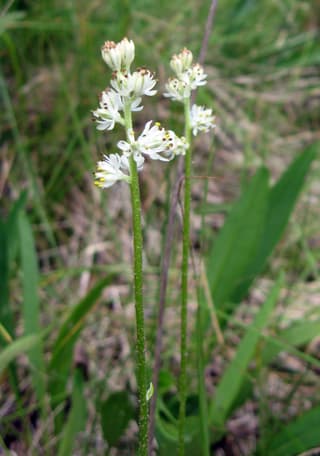
| Sticky false asphodel | Hard | Bright indirect | 1d | ✓ |
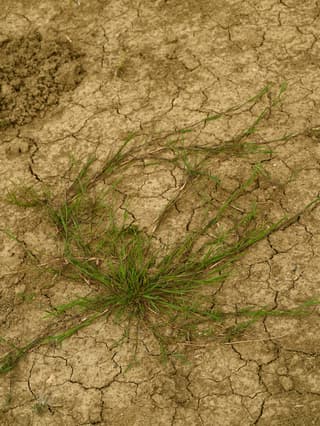
| Creeping bentgrass | Hard | Direct sun | 3d | ✓ |
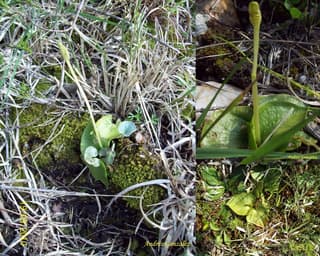
| Bulbous Adder's-tongue | Hard | Partial shade | 4d | ✓ |
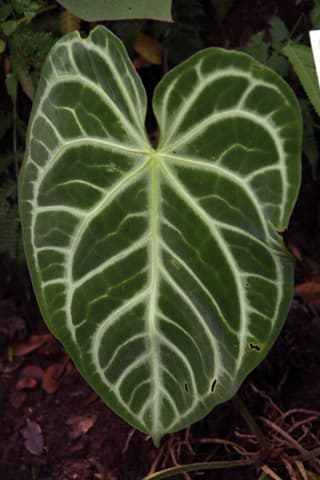
| Crystal Anthurium | Hard | Partial shade | 7d | ⚠️ |