Asteraceae
Artemisia: Growing Guide
Artemisia
Grow Artemisia in full sun and lean, extremely well-drained soil. Once established it is highly drought-tolerant, and the main risk to plant health is overwatering or soggy soil, which can lead to root rot. It needs little to no supplemental fertilizer.
Every 12 days
Direct sun
10° - 35°C
% - %
Categories
What is Mugwort?
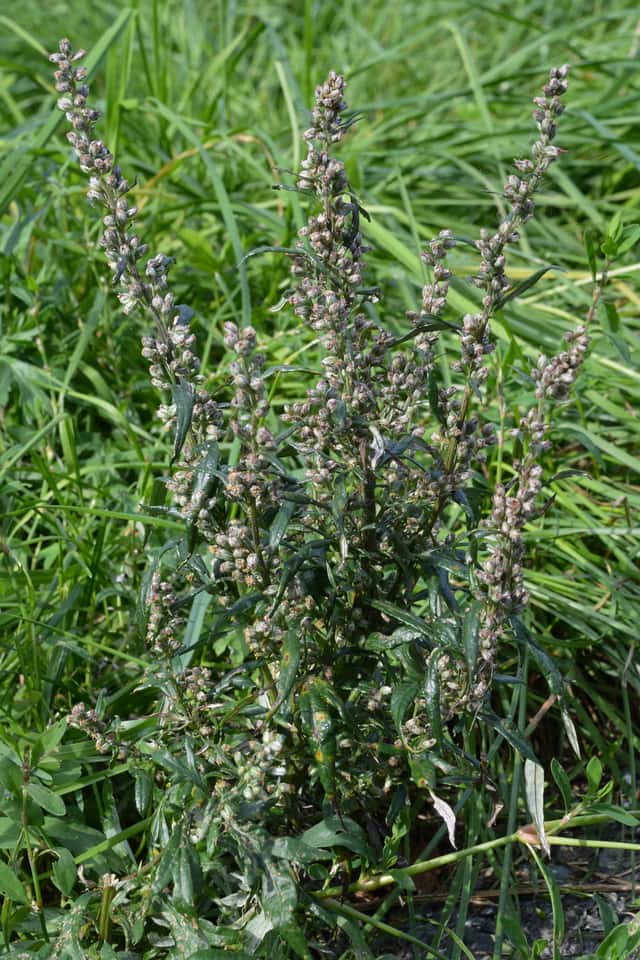
Mugwort (Artemisia) is a easy-care plant from the Asteraceae family. Artemisia is a large genus of aromatic herbs and subshrubs in the daisy family (Asteraceae), with over 500 species found mainly across the temperate Northern Hemisphere. The genus includes well-known plants such as wormwood (Artemisia absinthium), common mugwort (Artemisia vulgaris), and tarragon (A...
Mugwort grows up to 1.2m, spread of 90cm, watering every 12 days, 10°C – 35°C. It is not suitable for indoor environments and not safe for pets.
Unlike many tropical plants, Mugwort tolerates watering mistakes. Best for beginners. Without precautions, ingestion can cause irritation in pets. Keep out of reach of cats and dogs.
How to Care for Mugwort?
TLDR: Mugwort needs Direct sun, watering every 12 days, and temperatures between 10-35°C with 40-70% humidity.
How Often Should You Water Mugwort?
Water deeply only once the soil has dried out completely; new plantings need regular water until established, but mature plants tolerate long dry spells with ease.
How Much Light Does Mugwort Need?
Needs full sun (a minimum of 6 hours daily, ideally 8-10). Insufficient light causes leggy growth, duller silver coloration, and greater susceptibility to powdery mildew.
What Is the Best Soil for Mugwort?
Requires poor to moderately fertile soil with excellent drainage; heavy or waterlogged soil promotes root rot. Amend clay soils with coarse sand, perlite, or fine gravel to improve drainage.
What Pot Should You Use for Mugwort?
Unglazed terracotta or clay pots with generous drainage holes help the soil dry out quickly.
What Is Mugwort and Where Does It Come From?
Artemisia is a large genus of aromatic herbs and subshrubs in the daisy family (Asteraceae), with over 500 species found mainly across the temperate Northern Hemisphere. The genus includes well-known plants such as wormwood (Artemisia absinthium), common mugwort (Artemisia vulgaris), and tarragon (Artemisia dracunculus). Foliage is typically silvery-grey to green, finely divided, and strongly aromatic, while flowers are small, inconspicuous, and yellowish or whitish, borne in clusters in late summer and fall. Artemisia species are rugged, low-maintenance plants traditionally valued for medicinal, aromatic, and ornamental uses.
How to Propagate Mugwort?
Clump division
Divide every 2-3 years to keep plants vigorous and prevent the center from becoming woody.
- 1 Dig up an established clump in early spring
- 2 Divide the root ball into sections with healthy roots using a clean knife
- 3 Replant each section immediately in well-drained soil
- 4 Water well until settled
Materials needed:
Seed sowing
Germination can be uneven; use well-drained mix and a sunny spot.
- 1 Surface-sow seeds, pressing lightly without covering (seeds need light to germinate)
- 2 Keep the medium lightly moist until germination
- 3 Transplant seedlings once they have 2-3 true leaves
Materials needed:
How Big Does Mugwort Grow?
TLDR: Mugwort can reach up to 1.2m tall with Medium growth rate.
Max height
1.2m
Spread
90cm
Growth rate
Medium
Foliage
Semi-evergreen
Warning: Toxic Plant
This plant can be toxic if ingested. Keep out of reach of:
Plant Uses
Ornamental
Great for decoration
Aromatic
Pleasant fragrance
Medicinal
Medicinal properties
Medicinal Uses
- Traditionally used in teas and tinctures for digestion (use with caution due to thujone)
- Traditional vermifuge (anti-parasitic) use
Culinary Uses
- Tarragon (A. dracunculus) is a widely used culinary herb; other species are used sparingly to flavor beverages
Is your plant showing symptoms?
Click on the symptom to discover possible causes:
What Diseases Commonly Affect Mugwort?
TLDR: Mugwort is susceptible to 5 known diseases. Monitor regularly for early detection.
Rust
Rust is a common fungal disease caused by fungi in the order Pucciniales that affects a wide variety of plants. The disease gets its name from the characteristic orange, yellow, or reddish-brown pustules that appear on leaves, resembling metal rust. This obligate fungal parasite requires living plants to survive and can cause significant economic losses in agricultural crops.
Powdery Mildew
Powdery mildew is a common fungal disease caused by various fungi species including Erysiphe, Podosphaera, Oïdium, and Leveillula. It affects over 10,000 plant species worldwide. The disease thrives in warm, dry climates with high humidity and appears as a distinctive white powdery coating on plant surfaces.
Downy Mildew
Downy mildew is a fungal-like disease caused by oomycetes (water molds) that thrives in cool, wet conditions. It affects a wide range of plants, causing yellowing leaves with fuzzy white-gray growth underneath, leading to defoliation and reduced yields if left untreated.
Aphids
Aphids are small, soft-bodied, pear-shaped insects (1/16 to 1/8 inch long) that feed by sucking nutrient-rich sap from plants. They reproduce rapidly and can quickly weaken plants, causing distorted growth and transmitting plant viruses. Aphids come in various colors including green, black, red, yellow, brown, and gray. They secrete honeydew, a sticky substance that attracts ants and encourages sooty mold growth.
Meaning & Symbolism
Named after the Greek goddess Artemis, Artemisia has long been associated in European and Asian folk traditions with protection, purification, and vivid dreaming.
Fun Facts
The genus name honors Artemis, the Greek goddess of the hunt and the moon
The spirit absinthe was traditionally flavored with Artemisia absinthium
Some species, like sagebrush (A. tridentata), dominate entire landscapes of the western United States
Frequently asked questions
Is Artemisia toxic?
How often should I water Artemisia?
Does Artemisia need full sun?
What diseases most commonly affect Artemisia?
Compare with similar plants
| Attribute | Difficulty | Light | Watering | Pet Safe |
|---|---|---|---|---|
| Field Maple | Easy | Bright indirect | 14d | ✓ |
| Silver Birch | Easy | Direct sun | 14d | ✓ |
| Common Blanketflower | Easy | Direct sun | 10d | ✓ |
| Cushion Bush | Easy | Direct sun | 14d | ✓ |
Choose & Compare
Sources & References
- Artemisia Care | Plant Addicts
- A Guide to Growing Artemisia | Garden Design
- Artemisia Powis Castle | NC State Extension
- Bioactive Compounds, Pharmacological Actions, and Pharmacokinetics of Wormwood (Artemisia absinthium)
- Artemisia Absinthium - ScienceDirect Topics
- Artemisia L. | Plants of the World Online | Kew Science
- Common Mugwort (Artemisia vulgaris) - Oslo Norway - Wikimedia Commons





