Asparagaceae
Grape Hyacinth (Muscari genus)
Muscari
Plant bulbs in autumn in well-drained soil under full sun. Water regularly during spring growth and flowering, then reduce watering and allow bulbs to dry out completely during summer dormancy. Virtually maintenance-free once established.
Every 7 days
Bright indirect
-20° - 28°C
40% - 70%
Categories
What is Grape Hyacinth (genus)?
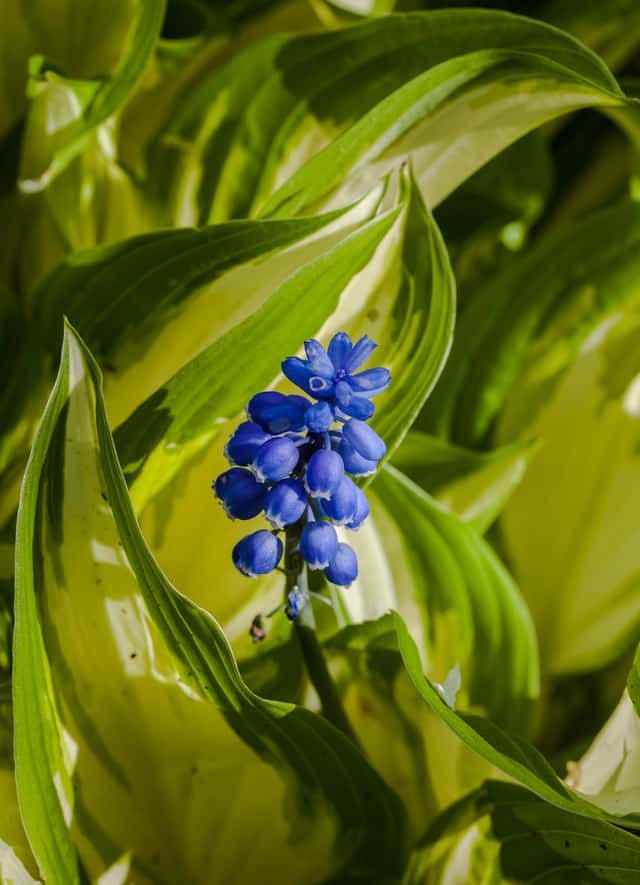
Grape Hyacinth (genus) (Muscari) is a easy-care plant from the Asparagaceae family. Muscari is a genus of approximately 30 species of small bulbous spring-flowering perennials in the family Asparagaceae, native to the Mediterranean basin and southwestern Asia. They are beloved for their dense racemes of tiny urn-shaped blue or white flowers that resemble clusters of grapes.
Grape Hyacinth (genus) grows up to 30cm, spread of 20cm, watering every 7 days, -20°C – 28°C, 40–70% humidity. It is not suitable for indoor environments and not safe for pets.
Unlike many tropical plants, Grape Hyacinth (genus) tolerates watering mistakes. Best for beginners. Without precautions, ingestion can cause irritation in pets. Keep out of reach of cats and dogs.
How to Care for Grape Hyacinth (genus)?
TLDR: Grape Hyacinth (genus) needs Bright indirect, watering every 7 days, and temperatures between -20-28°C with 40-70% humidity.
How Often Should You Water Grape Hyacinth (genus)?
Water every 7 days during active spring growth. After flowering, gradually reduce watering and allow the soil to dry completely during summer dormancy. Never allow bulbs to sit in waterlogged soil as they will rot.
How Much Light Does Grape Hyacinth (genus) Need?
Prefers full sun but tolerates partial shade, especially in warmer climates. Requires at least 6 hours of direct sunlight daily for the best flowering display.
What Is the Best Soil for Grape Hyacinth (genus)?
Plant in well-drained sandy or light loamy soil with pH 6.0-7.5. Add coarse sand or perlite to heavy soils. Avoid compacted or waterlogged conditions.
What Pot Should You Use for Grape Hyacinth (genus)?
Terracotta or ceramic pots with drainage holes. Avoid containers without drainage.
Care Schedule
Fertilize
Every 90 days
What Is Grape Hyacinth (genus) and Where Does It Come From?
Muscari is a genus of approximately 30 species of small bulbous spring-flowering perennials in the family Asparagaceae, native to the Mediterranean basin and southwestern Asia. They are beloved for their dense racemes of tiny urn-shaped blue or white flowers that resemble clusters of grapes.
How to Propagate Grape Hyacinth (genus)?
Bulb offset division
Replant offsets promptly after separation. Larger bulbs will produce more flowers the following season.
- 1 Dig up bulbs after summer dormancy
- 2 Separate smaller offsets from the parent bulb
- 3 Replant immediately in well-drained soil at 7-10 cm depth
Materials needed:
How Big Does Grape Hyacinth (genus) Grow?
TLDR: Grape Hyacinth (genus) can reach up to 30cm tall with Slow growth rate.
Max height
30cm
Spread
20cm
Growth rate
Slow
Foliage
Deciduous
Warning: Toxic Plant
This plant can be toxic if ingested. Keep out of reach of:
Plant Uses
Ornamental
Great for decoration
Is your plant showing symptoms?
Click on the symptom to discover possible causes:
What Diseases Commonly Affect Grape Hyacinth (genus)?
TLDR: Grape Hyacinth (genus) is susceptible to 5 known diseases. Monitor regularly for early detection.
Gray Mold (Botrytis Blight)
Gray mold, caused by the fungus Botrytis cinerea, is a widespread necrotrophic pathogen affecting over 1,400 plant species. It thrives in cool, humid conditions and attacks weakened or aging plant tissues, causing soft rot and characteristic gray fuzzy growth.
Gray Mold (Botrytis Blight)
Gray mold, caused by the fungus Botrytis cinerea, is one of the most common fungal diseases in plants. It affects over 200 plant species, including ornamentals, vegetables, fruits, and houseplants. The disease thrives in cool, humid conditions with poor air circulation, causing grayish spots and soft rot on infected tissues.
Root Rot
Root rot is a serious fungal disease that affects the root system of plants, causing them to decay and die. It is primarily caused by overwatering, poor drainage, or soil-borne fungi such as Pythium, Phytophthora, Rhizoctonia, and Fusarium. The disease thrives in waterlogged conditions where roots are deprived of oxygen, making them susceptible to fungal infection.
Aphids
Aphids are small, soft-bodied, pear-shaped insects (1/16 to 1/8 inch long) that feed by sucking nutrient-rich sap from plants. They reproduce rapidly and can quickly weaken plants, causing distorted growth and transmitting plant viruses. Aphids come in various colors including green, black, red, yellow, brown, and gray. They secrete honeydew, a sticky substance that attracts ants and encourages sooty mold growth.
Meaning & Symbolism
Spring renewal, charm and playfulness
Fun Facts
The Muscari genus contains about 30 species, most native to the Mediterranean and Turkey.
A single Muscari planting can naturalise into dense carpets of flowers over the years.
Muscari flowers have a delicate grape or banana scent that attracts bees in spring.
Muscari armeniacum is one of the most widely cultivated bulbs in the world for its abundant blue flowers.
Frequently asked questions
When should I plant Muscari bulbs?
Is Muscari toxic to cats and dogs?
Why is my Muscari not flowering?
Can I grow Muscari in containers?
Compare with similar plants
| Attribute | Difficulty | Light | Watering | Pet Safe |
|---|---|---|---|---|
| Field Maple | Easy | Bright indirect | 14d | ✓ |
| Silver Birch | Easy | Direct sun | 14d | ✓ |
| Common Blanketflower | Easy | Direct sun | 10d | ✓ |
| Cushion Bush | Easy | Direct sun | 14d | ✓ |





