Rosaceae
Musk Strawberry (Fragaria moschata) Care Guide
Fragaria moschata
Plant in fertile, moisture-retentive, well-drained soil in full sun to partial shade. Keep soil consistently moist, remove excess runners to control spread, and cut back old foliage after fruiting. Mulch with pine or spruce leaf litter to conserve moisture and protect the crown over winter.
Every 3 days
Partial shade
-20° - °C
% - %
Categories
What is Musk Strawberry?
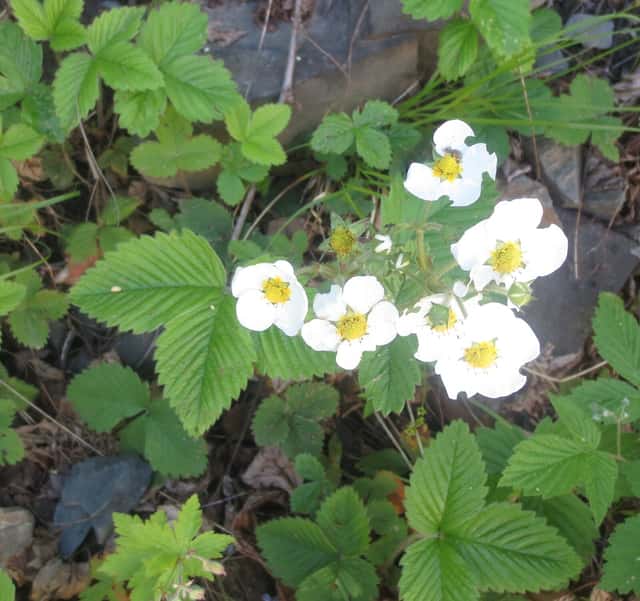
Musk Strawberry (Fragaria moschata) is a easy-care plant from the Rosaceae family. Fragaria moschata, commonly known as the musk strawberry or hautbois strawberry, is a herbaceous perennial in the rose family (Rosaceae), native to Central Europe and temperate Asia. It forms a clump- and mat-forming ground cover that spreads slowly by runners, producing small, deep red berries priz...
Musk Strawberry grows up to 50cm, spread of 50cm, watering every 3 days. It is not suitable for indoor environments and safe for pets.
Unlike many tropical plants, Musk Strawberry tolerates watering mistakes. Best for beginners. Unlike many popular species, Musk Strawberry is safe to keep around pets.
How to Care for Musk Strawberry?
TLDR: Musk Strawberry needs Partial shade, watering every 3 days, and temperatures between -20-30°C with 40-70% humidity.
How Often Should You Water Musk Strawberry?
Water regularly to keep the soil evenly moist, especially during flowering and fruiting; avoid letting the soil dry out completely, but do not allow it to become waterlogged.
How Much Light Does Musk Strawberry Need?
Thrives in full sun to partial shade; in hot climates, dappled shade under a light tree canopy or on an east-facing bed helps prevent the soil from drying out.
What Is the Best Soil for Musk Strawberry?
Grows in sandy, loamy, or clay soils as long as they are fertile and well-drained, with a pH from mildly acid to mildly alkaline.
What Pot Should You Use for Musk Strawberry?
A wide, shallow container with peat-free multipurpose compost suits musk strawberry well, allowing runners to spread over the rim.
What Is Musk Strawberry and Where Does It Come From?
Fragaria moschata, commonly known as the musk strawberry or hautbois strawberry, is a herbaceous perennial in the rose family (Rosaceae), native to Central Europe and temperate Asia. It forms a clump- and mat-forming ground cover that spreads slowly by runners, producing small, deep red berries prized for an intensely aromatic flavor often described as a blend of strawberry, raspberry, and pineapple. Unlike modern garden strawberries, most musk strawberry plants are functionally dioecious, so both male (pollinator) and female/hermaphrodite plants are needed for good fruit set.
How to Propagate Musk Strawberry?
Seed sowing
Germination is slow and can take a month or more, so be patient and keep the medium evenly moist.
- 1 Sow seeds in a greenhouse or seed tray in early spring.
- 2 Keep the growing medium consistently moist until germination.
- 3 Transplant seedlings outdoors once they are large enough to handle.
Materials needed:
Runner division
Dividing runners in July/August gives the new plant time to establish before next year's fruiting season.
- 1 Let a healthy runner root into the soil next to the parent plant.
- 2 Once rooted, in July or August, sever the runner from the parent plant.
- 3 Transplant the new rooted plantlet to its final position.
Materials needed:
How Big Does Musk Strawberry Grow?
TLDR: Musk Strawberry can reach up to 50cm tall with Fast growth rate.
Max height
50cm
Spread
50cm
Growth rate
Fast
Foliage
Deciduous
Plant Uses
Edible
Can be consumed
Ground Cover
Soil coverage
Culinary Uses
- raw fruit
- jams and preserves
- desserts
Is your plant showing symptoms?
Click on the symptom to discover possible causes:
What Diseases Commonly Affect Musk Strawberry?
TLDR: Musk Strawberry is susceptible to 3 known diseases. Monitor regularly for early detection.
Aphids
Aphids are small, soft-bodied, pear-shaped insects (1/16 to 1/8 inch long) that feed by sucking nutrient-rich sap from plants. They reproduce rapidly and can quickly weaken plants, causing distorted growth and transmitting plant viruses. Aphids come in various colors including green, black, red, yellow, brown, and gray. They secrete honeydew, a sticky substance that attracts ants and encourages sooty mold growth.
Slugs and Snails
Slugs and snails are mollusks that feed on plant tissue, causing irregular holes in leaves and damage to young seedlings. They are most active at night and in moist conditions, leaving characteristic silvery slime trails. These pests can quickly devastate gardens, especially during wet seasons.
Gray Mold (Botrytis Blight)
Gray mold, caused by the fungus Botrytis cinerea, is a widespread necrotrophic pathogen affecting over 1,400 plant species. It thrives in cool, humid conditions and attacks weakened or aging plant tissues, causing soft rot and characteristic gray fuzzy growth.
Fun Facts
It was the first strawberry species ever given a cultivar name, 'Le Chapiron', back in 1576.
By the early 19th century, musk strawberries were the most popular strawberry in German gardens, before being displaced by the modern garden strawberry (Fragaria x ananassa).
Most musk strawberry plants are functionally dioecious, requiring both male and female plants nearby for good fruit set.
Its fruit's aroma is often described as a cross between strawberry, raspberry, and pineapple.
Frequently asked questions
Is the musk strawberry the same as a regular garden strawberry?
Why isn't my musk strawberry producing fruit?
How much sun does musk strawberry need?
Is Fragaria moschata toxic to pets?
Compare with similar plants
| Attribute | Difficulty | Light | Watering | Pet Safe |
|---|---|---|---|---|
| Field Maple | Easy | Bright indirect | 14d | ✓ |
| Silver Birch | Easy | Direct sun | 14d | ✓ |
| Common Blanketflower | Easy | Direct sun | 10d | ✓ |
| Cushion Bush | Easy | Direct sun | 14d | ✓ |





