Amaryllidaceae
Daffodil (Narcissus)
Narcissus
Plant bulbs in autumn in well-drained soil in full sun. Water moderately during active growth and flowering. Allow foliage to die back naturally after blooming to replenish the bulbs for the next season.
Every 7 days
Direct sun
-10° - 20°C
40% - 60%
Categories
What is Daffodil?
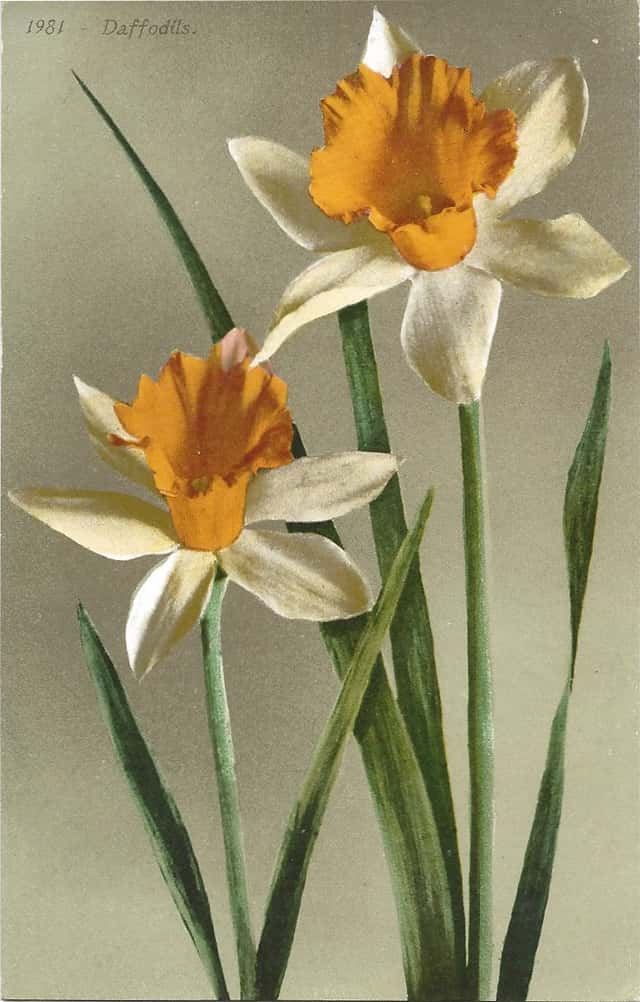
Daffodil (Narcissus) is a easy-care plant from the Amaryllidaceae family. Narcissus is a genus of predominantly spring-flowering perennial bulbous plants in the family Amaryllidaceae. The genus includes daffodils, jonquils, and paperwhites, offering a wide range of flower forms and colors from white to yellow, orange, and pink. Native mainly to Europe and North Africa.
Daffodil grows up to 45cm, spread of 20cm, watering every 7 days, -10°C – 20°C, 40–60% humidity. It is suitable for indoor environments and not safe for pets.
Unlike many tropical plants, Daffodil tolerates watering mistakes. Best for beginners. Without precautions, ingestion can cause irritation in pets. Keep out of reach of cats and dogs. Without adequate drainage, root rot can develop within 14 days.
How to Care for Daffodil?
TLDR: Daffodil needs Direct sun, watering every 7 days, and temperatures between -10-20°C with 40-60% humidity.
How Often Should You Water Daffodil?
Water every 7 days during active growth. Reduce watering after flowering and stop entirely when foliage yellows and dies back. Avoid waterlogged soil to prevent bulb rot.
How Much Light Does Daffodil Need?
Requires full sun to partial shade — at least 6 hours of direct sunlight daily for best blooms. Indoors, place in the brightest window available.
What Is the Best Soil for Daffodil?
Use well-draining loamy soil with pH 6.0–7.5. Amend with compost before planting. Avoid heavy clay soils that retain excess moisture.
What Pot Should You Use for Daffodil?
Terra cotta or ceramic pots with drainage holes work best for container-grown daffodils.
Care Schedule
Fertilize
Every 30 days
What Is Daffodil and Where Does It Come From?
Narcissus is a genus of predominantly spring-flowering perennial bulbous plants in the family Amaryllidaceae. The genus includes daffodils, jonquils, and paperwhites, offering a wide range of flower forms and colors from white to yellow, orange, and pink. Native mainly to Europe and North Africa.
How Big Does Daffodil Grow?
TLDR: Daffodil can reach up to 45cm tall with Medium growth rate.
Max height
45cm
Spread
20cm
Growth rate
Medium
Foliage
Deciduous
Warning: Toxic Plant
This plant can be toxic if ingested. Keep out of reach of:
Plant Uses
Ornamental
Great for decoration
Is your plant showing symptoms?
Click on the symptom to discover possible causes:
What Diseases Commonly Affect Daffodil?
TLDR: Daffodil is susceptible to 8 known diseases. Monitor regularly for early detection.
Fusarium Wilt
Fusarium wilt is a serious fungal disease caused by the soil-borne fungus Fusarium oxysporum. The fungus invades roots and blocks the water-conducting vessels (xylem) of the plant, causing progressive wilting and eventual death. Host-specific forms of the pathogen exist that attack different plant species.
Root Rot
Root rot is a serious fungal disease that affects the root system of plants, causing them to decay and die. It is primarily caused by overwatering, poor drainage, or soil-borne fungi such as Pythium, Phytophthora, Rhizoctonia, and Fusarium. The disease thrives in waterlogged conditions where roots are deprived of oxygen, making them susceptible to fungal infection.
Gray Mold (Botrytis Blight)
Gray mold, caused by the fungus Botrytis cinerea, is one of the most common fungal diseases in plants. It affects over 200 plant species, including ornamentals, vegetables, fruits, and houseplants. The disease thrives in cool, humid conditions with poor air circulation, causing grayish spots and soft rot on infected tissues.
Gray Mold (Botrytis Blight)
Gray mold, caused by the fungus Botrytis cinerea, is a widespread necrotrophic pathogen affecting over 1,400 plant species. It thrives in cool, humid conditions and attacks weakened or aging plant tissues, causing soft rot and characteristic gray fuzzy growth.
Meaning & Symbolism
Daffodils symbolize rebirth, renewal, and new beginnings. They are the birth flower of March and a symbol of hope. In mythology, Narcissus represents self-love and beauty.
Fun Facts
Daffodils are deer-resistant — animals instinctively avoid eating them due to toxic alkaloids in the bulbs.
The name 'narcissus' comes from the Greek myth of a young man who fell in love with his own reflection.
There are over 25,000 registered cultivars of daffodils, offering blooms in almost every shade from white to deep orange.
Frequently asked questions
Are daffodils toxic to pets?
When should I plant daffodil bulbs?
Why are my daffodils not blooming?
Compare with similar plants
| Attribute | Difficulty | Light | Watering | Pet Safe |
|---|---|---|---|---|
| Field Maple | Easy | Bright indirect | 14d | ✓ |
| Silver Birch | Easy | Direct sun | 14d | ✓ |
| Common Blanketflower | Easy | Direct sun | 10d | ✓ |
| Cushion Bush | Easy | Direct sun | 14d | ✓ |





