Marsileaceae
Nardoo: Ground Cover Plant
Marsilea mutica
A moderate-maintenance plant: it requires soil or substrate that is always moist (or submerged in shallow water), good lighting, and stable temperatures. It grows aggressively via rhizomes, so it is typically grown in pots or contained containers to control its spread. Regularly remove dead leaves to maintain plant health and prevent rot.
Every 1 days
Bright indirect
15° - 32°C
60% - 100%
Categories
What is Nardoo?
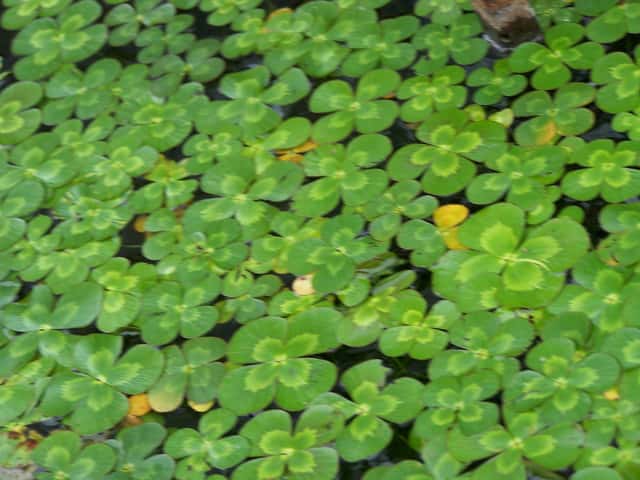
Nardoo (Marsilea mutica) is a medium-care plant from the Marsileaceae family. Marsilea mutica is an aquatic or semi-aquatic fern native to Australia and New Caledonia, naturally found in swamps and shallow freshwater. Its leaves resemble a four-leaf clover, featuring a yellowish-green variegated pattern with a reddish-brown arched band, and can either float on the water's sur...
Nardoo grows up to 10cm, spread of 150cm, watering every 1 days, 15°C – 32°C, 60–100% humidity. It is suitable for indoor environments and safe for pets.
Unlike many popular species, Nardoo is safe to keep around pets. Without adequate drainage, root rot can develop within 7 days.
How to Care for Nardoo?
TLDR: Nardoo needs Bright indirect, watering every 1 days, and temperatures between 15-32°C with 60-100% humidity.
How Often Should You Water Nardoo?
Keep the soil or substrate constantly moist without stagnant waterlogging—Marsilea mutica can also be grown partially or fully submerged in shallow water (up to a few inches deep). Avoid letting the substrate dry out completely between waterings, as this stresses the plant.
How Much Light Does Nardoo Need?
Prefers direct sunlight to partial shade (from 2 to over 6 hours of direct sun per day). For indoor or aquarium cultivation, use strong full-spectrum lighting for 12-16 hours daily to maintain leaf color and healthy growth.
What Is the Best Soil for Nardoo?
Use a substrate rich in organic matter that retains moisture but does not become waterlogged—a specific mix for aquatic plants, heavy clay-humus soil, or aquarium substrate with sand/fine gravel. Ideal pH is between 6.0 and 7.0.
What Pot Should You Use for Nardoo?
Wide and shallow pots, without drainage holes if grown submerged or as a marginal plant, or with good drainage if grown only in moist soil. Since the plant spreads aggressively via rhizomes, it is recommended to contain it in pots of approximately 1 gallon (4 liters) to prevent it from dominating the pond or water garden.
Care Schedule
Fertilize
Every 30 days
Repot
Every 365 days
What Is Nardoo and Where Does It Come From?
Marsilea mutica is an aquatic or semi-aquatic fern native to Australia and New Caledonia, naturally found in swamps and shallow freshwater. Its leaves resemble a four-leaf clover, featuring a yellowish-green variegated pattern with a reddish-brown arched band, and can either float on the water's surface or grow emergent above waterlogged substrate. It is a vigorous, fast-growing plant widely used in ponds, aquariums, and water gardens as a groundcover.
How to Propagate Nardoo?
Rhizome Division
Perform the division before the start of the growing season to accelerate establishment. Keep the substrate constantly moist after transplanting.
- 1 Remove the clump from the pot or pond in early spring, before new growth begins
- 2 Separate sections of the rhizome that already have roots and a few leaves
- 3 Replant each section in moist substrate or suitable shallow water
Materials needed:
Spores (Sporocarps)
A slow method with a low success rate, primarily used by enthusiasts—rhizome division is much more reliable.
- 1 Collect mature sporocarps formed at the base of the leaves
- 2 Break the outer shell of the sporocarps and place them in water
- 3 Wait for germination, which can take weeks to months under stable conditions
Materials needed:
How Big Does Nardoo Grow?
TLDR: Nardoo can reach up to 10cm tall with Fast growth rate.
Max height
10cm
Spread
1.5m
Growth rate
Fast
Foliage
Evergreen
Plant Uses
Ornamental
Great for decoration
Ground Cover
Soil coverage
Is your plant showing symptoms?
Click on the symptom to discover possible causes:
What Diseases Commonly Affect Nardoo?
TLDR: Nardoo is susceptible to 8 known diseases. Monitor regularly for early detection.
Root Rot
Root rot is a serious fungal disease that affects the root system of plants, causing them to decay and die. It is primarily caused by overwatering, poor drainage, or soil-borne fungi such as Pythium, Phytophthora, Rhizoctonia, and Fusarium. The disease thrives in waterlogged conditions where roots are deprived of oxygen, making them susceptible to fungal infection.
Spider Mites
Spider mites are tiny arachnids (less than 1/20 inch long) related to spiders and ticks that feed on plant sap. They thrive in hot, dry conditions and can cause significant damage to ornamental and vegetable plants. During severe infestations, crop losses can reach 14% or higher as these pests disrupt vital plant processes including photosynthesis, carbon dioxide absorption, and transpiration.
Scale Insects
Scale insects are small sap-sucking pests that appear as brown, shell-like bumps on plant stems and leaves. There are over 25 species, divided into armored (hard) and unarmored (soft) scales. They feed by piercing plant tissue and extracting sap, which weakens the plant and can lead to yellowing, stunted growth, and even death if left untreated. They also excrete honeydew, which attracts ants and promotes sooty mold growth.
Mealybugs
Mealybugs are small, soft-bodied insects covered with a white, waxy, cottony material. They are common pests of houseplants and outdoor plants in mild climates. These sap-sucking insects feed on plant tissue, causing damage, stunted growth, and can lead to plant death if left untreated. They produce sticky honeydew which attracts sooty mold.
Compare with similar plants
| Attribute | Difficulty | Light | Watering | Pet Safe |
|---|---|---|---|---|
| Dark Fieldcap | Medium | Low light | 2d | ⚠️ |
| Azalea | Medium | Partial shade | 3d | ⚠️ |
| Muriel's Bamboo | Medium | Partial shade | 3d | ✓ |
| Bougainvillea | Medium | Direct sun | 7d | ⚠️ |
Choose & Compare
Sources & References
- Guide to Growing Australian Water Clover Fern (Marsilea mutica) - Live to Plant
- Marsilea mutica - Wikipedia
- Ultimate Guide to Pests Eating Marsilea mutica - Greg
- 8 Tips for Growing Marsilea mutica Indoors - Greg
- 5 Factors for Optimal Marsilea mutica Growth - Greg
- Marsilea mutica 'Variegata' - NC State Extension Plant Toolbox




