Moraceae
Natal Fig (Ficus natalensis)
Ficus natalensis
An easy-care, adaptable plant. Prefers bright indirect light to some direct morning sun, moderate watering letting the topsoil dry between waterings, well-draining soil, and temperatures between 15-27°C (59-80°F). Fertilize every two weeks during spring and summer.
Every 7 days
Bright indirect
12° - 27°C
30% - 50%
Categories
What is Natal Fig?
Natal Fig (Ficus natalensis) is a easy-care plant from the Moraceae family. Ficus natalensis, commonly known as the Natal fig, is an evergreen tree in the fig family (Moraceae), native to eastern and southern Africa, ranging from north-eastern South Africa up through Uganda and Kenya. In the wild it can grow from 10 to 30 meters tall, forming a wide-spreading crown with cha...
Natal Fig grows up to 30.0m, spread of 2000cm, watering every 7 days, 12°C – 27°C, 30–50% humidity. It is suitable for indoor environments and not safe for pets.
Unlike many tropical plants, Natal Fig tolerates watering mistakes. Best for beginners. Without precautions, ingestion can cause irritation in pets. Keep out of reach of cats and dogs. Without adequate drainage, root rot can develop within 14 days.
How to Care for Natal Fig?
TLDR: Natal Fig needs Bright indirect, watering every 7 days, and temperatures between 12-27°C with 30-50% humidity.
How Often Should You Water Natal Fig?
Water only once the top inch or two of soil has dried out. Avoid soggy conditions — overwatering is the most common cause of root problems in this species.
How Much Light Does Natal Fig Need?
Place in bright, indirect light or a spot that gets a few hours of gentle direct sun. It tolerates lower light but grows more vigorously with good brightness.
What Is the Best Soil for Natal Fig?
Use a light, free-draining mix (bonsai soil or a blend with perlite/coarse sand), with a pH between 6.0 and 7.5, to prevent root rot.
What Pot Should You Use for Natal Fig?
Shallow bonsai pots with ample drainage holes work best; for younger or larger specimens, unglazed terracotta or ceramic pots that allow the soil to dry between waterings are ideal.
Care Schedule
Fertilize
Every 14 days
Misting
Every 3 days
Rotate
Every 7 days
Repot
Every 365 days
What Is Natal Fig and Where Does It Come From?
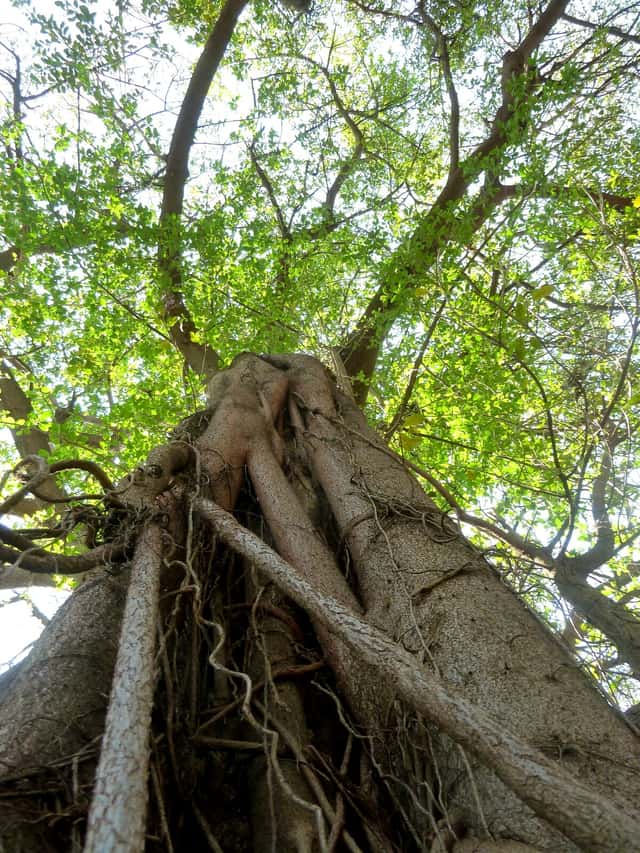
Ficus natalensis, commonly known as the Natal fig, is an evergreen tree in the fig family (Moraceae), native to eastern and southern Africa, ranging from north-eastern South Africa up through Uganda and Kenya. In the wild it can grow from 10 to 30 meters tall, forming a wide-spreading crown with characteristic aerial roots typical of strangler figs. Its leaves are glossy, elliptical and leathery, and it bears small reddish or yellowish figs. Thanks to its vigorous growth, thickening trunk, and excellent tolerance to pruning and wiring, it has become one of the most popular species for bonsai cultivation and is also grown as a low-maintenance houseplant.
How to Propagate Natal Fig?
Stem cutting
The milky latex should be dried or wiped off before planting so it does not block root formation; use clean, sharp tools.
- 1 Cut a healthy semi-hardwood stem 10-15 cm long with 2-3 nodes
- 2 Let the cut end dry for a few hours to stop the latex flow
- 3 Apply rooting hormone to the base of the cutting
- 4 Plant in a light, moist medium (perlite + peat) and keep in a warm spot with indirect light
- 5 Keep humidity consistent until roots form
Materials needed:
Air layering
A technique widely used in bonsai to thicken trunks quickly; the traditional way to propagate strangler figs.
- 1 Girdle the bark on a mature branch
- 2 Apply rooting hormone to the exposed area
- 3 Wrap with moist sphagnum moss and cover with plastic
- 4 Wait until roots are visible through the plastic
- 5 Cut below the new roots and pot separately
Materials needed:
How Big Does Natal Fig Grow?
TLDR: Natal Fig can reach up to 30.0m tall with Fast growth rate.
Max height
30.0m
Spread
20.0m
Growth rate
Fast
Foliage
Evergreen
Warning: Toxic Plant
This plant can be toxic if ingested. Keep out of reach of:
Plant Uses
Ornamental
Great for decoration
Is your plant showing symptoms?
Click on the symptom to discover possible causes:
What Diseases Commonly Affect Natal Fig?
TLDR: Natal Fig is susceptible to 6 known diseases. Monitor regularly for early detection.
Scale Insects
Scale insects are small sap-sucking pests that appear as brown, shell-like bumps on plant stems and leaves. There are over 25 species, divided into armored (hard) and unarmored (soft) scales. They feed by piercing plant tissue and extracting sap, which weakens the plant and can lead to yellowing, stunted growth, and even death if left untreated. They also excrete honeydew, which attracts ants and promotes sooty mold growth.
Mealybugs
Mealybugs are small, soft-bodied insects covered with a white, waxy, cottony material. They are common pests of houseplants and outdoor plants in mild climates. These sap-sucking insects feed on plant tissue, causing damage, stunted growth, and can lead to plant death if left untreated. They produce sticky honeydew which attracts sooty mold.
Spider Mites
Spider mites are tiny arachnids (less than 1/20 inch long) related to spiders and ticks that feed on plant sap. They thrive in hot, dry conditions and can cause significant damage to ornamental and vegetable plants. During severe infestations, crop losses can reach 14% or higher as these pests disrupt vital plant processes including photosynthesis, carbon dioxide absorption, and transpiration.
Thrips
Thrips are tiny cigar-shaped insects (1/25-inch long) that damage plants by sucking plant juices and scraping at fruits, flowers, and leaves. With over 6,000 species and rapid reproduction (lifecycle as short as 14 days), they can quickly infest plants and transmit viruses like tomato spotted wilt virus.
Meaning & Symbolism
Among the Baganda people of Uganda, the tree is known as "omutuba," and its bark is traditionally beaten into barkcloth used for ceremonial garments — a practice recognized by UNESCO as an Intangible Cultural Heritage, symbolizing cultural identity and continuity.
Fun Facts
Its aerial roots can envelop other trees, a trait typical of strangler figs.
Its bark is traditionally beaten into barkcloth in Uganda, recognized by UNESCO as cultural heritage.
It is one of the most popular species worldwide for bonsai thanks to its fast growth and quickly thickening trunk.
Frequently asked questions
Is the Natal fig toxic to cats and dogs?
Can I grow the Natal fig indoors?
How often should I water it?
Compare with similar plants
| Attribute | Difficulty | Light | Watering | Pet Safe |
|---|---|---|---|---|
| Field Maple | Easy | Bright indirect | 14d | ✓ |
| Silver Birch | Easy | Direct sun | 14d | ✓ |
| Common Blanketflower | Easy | Direct sun | 10d | ✓ |
| Cushion Bush | Easy | Direct sun | 14d | ✓ |





