Gesneriaceae
Goldfish Plant: How to Care for Nematanthus wettsteinii
Nematanthus wettsteinii
Grow in bright indirect light or partial shade, in a well-draining epiphyte-style substrate. Water moderately, letting the top layer of substrate dry slightly between waterings, since the plant does not tolerate waterlogged roots. It enjoys higher humidity and should only be fertilized during spring and summer, its growing and flowering season.
Every 7 days
Partial shade
15° - 24°C
50% - 70%
Categories
What is Goldfish Plant?
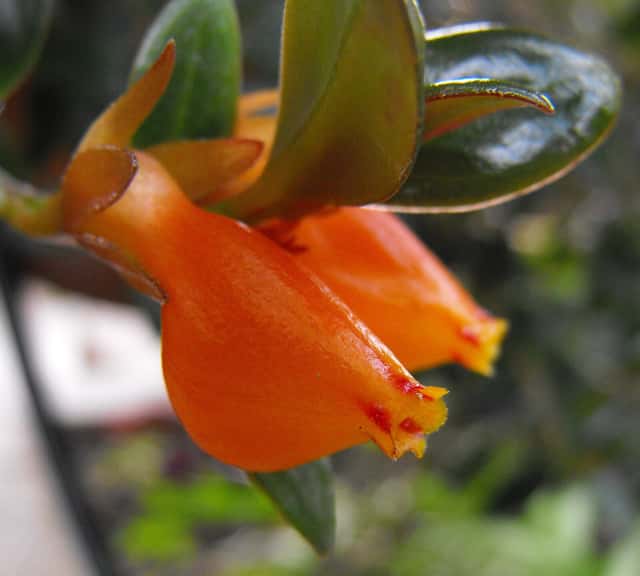
Goldfish Plant (Nematanthus wettsteinii) is a medium-care plant from the Gesneriaceae family. The Goldfish Plant (Nematanthus wettsteinii) is a trailing epiphytic plant native to the Brazilian Atlantic Forest, where it naturally grows on tree trunks. It is prized for its small, glossy, fleshy leaves and its plump, tubular orange flowers that resemble tiny goldfish with their mouths open. It...
Goldfish Plant grows up to 30cm, watering every 7 days, 15°C – 24°C, 50–70% humidity. It is suitable for indoor environments and safe for pets.
Unlike many popular species, Goldfish Plant is safe to keep around pets. Without adequate drainage, root rot can develop within 14 days.
How to Care for Goldfish Plant?
TLDR: Goldfish Plant needs Partial shade, watering every 7 days, and temperatures between 15-24°C with 50-70% humidity.
How Often Should You Water Goldfish Plant?
Water once the top inch of substrate feels dry to the touch. Avoid waterlogging and never leave standing water in the saucer, as excess moisture favors root rot.
How Much Light Does Goldfish Plant Need?
Prefers bright indirect light or partial shade. Avoid strong direct midday sun, which can scorch the leaves and reduce flowering; insufficient light will also reduce the number of blooms.
What Is the Best Soil for Goldfish Plant?
Use a light, well-draining epiphyte mix combining potting soil, pine bark, and organic matter, which prevents waterlogged roots.
What Pot Should You Use for Goldfish Plant?
Hanging basket or pot with drainage holes
Care Schedule
Fertilize
Every 14 days
Misting
Every 7 days
What Is Goldfish Plant and Where Does It Come From?
The Goldfish Plant (Nematanthus wettsteinii) is a trailing epiphytic plant native to the Brazilian Atlantic Forest, where it naturally grows on tree trunks. It is prized for its small, glossy, fleshy leaves and its plump, tubular orange flowers that resemble tiny goldfish with their mouths open. It is ideal for hanging baskets, where its cascading stems can be shown off.
How to Propagate Goldfish Plant?
Stem cutting
Use clean, sharp scissors. If rooting in water, change it every 4-5 days until visible roots appear.
- 1 Cut a healthy 8-10 cm (3-4 in) stem with at least 2 nodes
- 2 Remove the leaves from the lower part of the cutting
- 3 Let the cutting callous for a few hours before planting
- 4 Plant in a light, moist substrate or place in water
- 5 Keep in bright indirect light with steady humidity until roots form
Materials needed:
How Big Does Goldfish Plant Grow?
TLDR: Goldfish Plant can reach up to 30cm tall with Medium growth rate.
Max height
30cm
Growth rate
Medium
Foliage
Evergreen
Plant Uses
Ornamental
Great for decoration
Is your plant showing symptoms?
Click on the symptom to discover possible causes:
What Diseases Commonly Affect Goldfish Plant?
TLDR: Goldfish Plant is susceptible to 10 known diseases. Monitor regularly for early detection.
Aphids
Aphids are small, soft-bodied, pear-shaped insects (1/16 to 1/8 inch long) that feed by sucking nutrient-rich sap from plants. They reproduce rapidly and can quickly weaken plants, causing distorted growth and transmitting plant viruses. Aphids come in various colors including green, black, red, yellow, brown, and gray. They secrete honeydew, a sticky substance that attracts ants and encourages sooty mold growth.
Spider Mites
Spider mites are tiny arachnids (less than 1/20 inch long) related to spiders and ticks that feed on plant sap. They thrive in hot, dry conditions and can cause significant damage to ornamental and vegetable plants. During severe infestations, crop losses can reach 14% or higher as these pests disrupt vital plant processes including photosynthesis, carbon dioxide absorption, and transpiration.
Mealybugs
Mealybugs are small, soft-bodied insects covered with a white, waxy, cottony material. They are common pests of houseplants and outdoor plants in mild climates. These sap-sucking insects feed on plant tissue, causing damage, stunted growth, and can lead to plant death if left untreated. They produce sticky honeydew which attracts sooty mold.
Thrips
Thrips are tiny cigar-shaped insects (1/25-inch long) that damage plants by sucking plant juices and scraping at fruits, flowers, and leaves. With over 6,000 species and rapid reproduction (lifecycle as short as 14 days), they can quickly infest plants and transmit viruses like tomato spotted wilt virus.
Fun Facts
Its plump, tubular flowers resemble tiny goldfish, which gave the plant its common name
It is an epiphyte, meaning it naturally grows on other plants in the wild without parasitizing them
It belongs to the Gesneriaceae family, the same family as the African violet
Frequently asked questions
Is the Goldfish Plant toxic to cats and dogs?
Why is my Goldfish Plant not flowering?
How often should I water a Goldfish Plant?
How do I propagate a Goldfish Plant?
Compare with similar plants
| Attribute | Difficulty | Light | Watering | Pet Safe |
|---|---|---|---|---|
| Dark Fieldcap | Medium | Low light | 2d | ⚠️ |
| Azalea | Medium | Partial shade | 3d | ⚠️ |
| Muriel's Bamboo | Medium | Partial shade | 3d | ✓ |
| Bougainvillea | Medium | Direct sun | 7d | ⚠️ |
Choose & Compare
Sources & References
- Columéia-peixinho - Nematanthus wettsteinii - Jardineiro.net
- PEIXINHO PENDENTE (Nematanthus wettsteinii) - Sitio da Mata
- Nematanthus wettsteinii (Goldfish Plant) - World of Flowering Plants
- Por que seu Columéia-peixinho não Está Florescendo - PictureThis
- Goldfish (Nematanthus Wettsteinii) Care Guide - Plantiary




