Nepenthaceae
Nepenthes × neglecta: Tropical Pitcher Plant Hybrid Care Guide
Nepenthes × neglecta
Give this hybrid bright, indirect light with a few hours of gentle direct sun, high humidity, and warm temperatures. Keep the peat-based, well-draining substrate evenly moist using distilled or rainwater, and let it catch its own insects rather than fertilizing the soil.
Every 3 days
Bright indirect
10° - 32°C
50% - 80%
Categories
What is Neglecta Pitcher Plant?
Neglecta Pitcher Plant (Nepenthes × neglecta) is a medium-care plant from the Nepenthaceae family. Nepenthes × neglecta is a naturally occurring tropical pitcher plant hybrid between N. gracilis and N. mirabilis, native to the lowland rainforests of Borneo, Peninsular Malaysia, Sumatra, and Thailand below 1000 m elevation. This scrambling, climbing subshrub can reach up to 5 m in length, producin...
Neglecta Pitcher Plant grows up to 5.0m, spread of 150cm, watering every 3 days, 10°C – 32°C, 50–80% humidity. It is suitable for indoor environments and safe for pets.
Unlike many popular species, Neglecta Pitcher Plant is safe to keep around pets. Without adequate drainage, root rot can develop within 7 days.
How to Care for Neglecta Pitcher Plant?
TLDR: Neglecta Pitcher Plant needs Bright indirect, watering every 3 days, and temperatures between 10-32°C with 50-80% humidity.
How Often Should You Water Neglecta Pitcher Plant?
Water 2-3 times a week with distilled, rain, or reverse-osmosis water, keeping the mix moist but never waterlogged; a shallow tray method works well for short trips.
How Much Light Does Neglecta Pitcher Plant Need?
Provide bright, indirect light with a few hours of gentle morning sun; avoid harsh midday direct sun which can scorch the leaves.
What Is the Best Soil for Neglecta Pitcher Plant?
Pot in a low-mineral, well-draining mix of peat, perlite, orchid bark, and chopped sphagnum moss; never use standard potting soil or fertilizer-laden mixes.
What Pot Should You Use for Neglecta Pitcher Plant?
Hanging basket or well-draining plastic/terracotta pot with ample drainage holes; hanging baskets suit its scrambling, vining growth habit.
Care Schedule
Fertilize
Every 30 days
Misting
Every 4 days
Rotate
Every 14 days
Repot
Every 730 days
What Is Neglecta Pitcher Plant and Where Does It Come From?
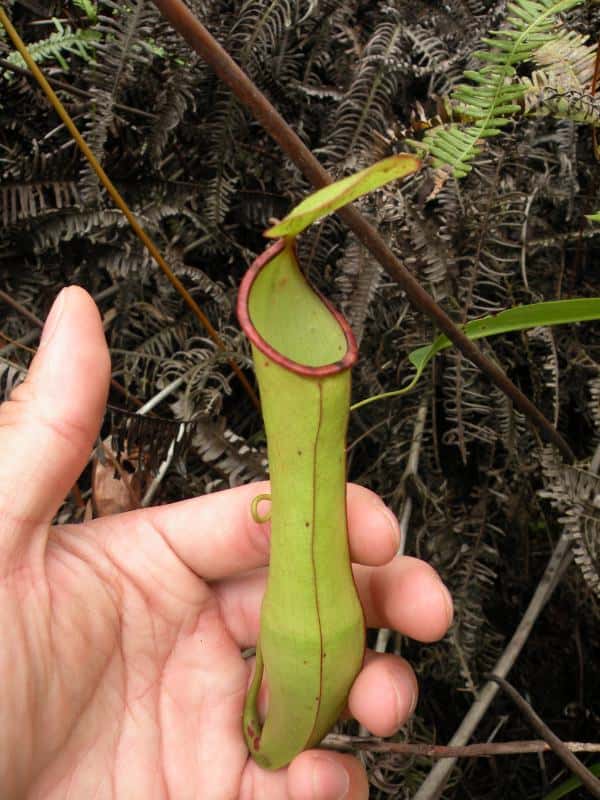
Nepenthes × neglecta is a naturally occurring tropical pitcher plant hybrid between N. gracilis and N. mirabilis, native to the lowland rainforests of Borneo, Peninsular Malaysia, Sumatra, and Thailand below 1000 m elevation. This scrambling, climbing subshrub can reach up to 5 m in length, producing funnel-shaped pitchers up to 15 cm tall that lure and digest insects to supplement nutrient-poor soils. Like most Nepenthes hybrids, it displays strong hybrid vigor, making it a hardier and more forgiving grower than many pure species.
How to Propagate Neglecta Pitcher Plant?
Stem Cutting
As a hybrid, this plant is typically sterile and does not produce viable seed, so vegetative propagation from stem cuttings is the primary method. Keep humidity above 80% and avoid direct sun until new growth appears.
- 1 Select a healthy vine with at least 2-3 leaf nodes.
- 2 Cut a 10-15 cm section just below a node using clean, sharp shears.
- 3 Remove the lower leaves and dip the cut end in rooting hormone.
- 4 Insert the cutting into a moist, low-mineral mix of sphagnum moss and perlite.
- 5 Cover with a humidity dome or plastic bag to maintain high humidity until roots form.
Materials needed:
How Big Does Neglecta Pitcher Plant Grow?
TLDR: Neglecta Pitcher Plant can reach up to 5.0m tall with Medium growth rate.
Max height
5.0m
Spread
1.5m
Growth rate
Medium
Foliage
Evergreen
Plant Uses
Ornamental
Great for decoration
Is your plant showing symptoms?
Click on the symptom to discover possible causes:
What Diseases Commonly Affect Neglecta Pitcher Plant?
TLDR: Neglecta Pitcher Plant is susceptible to 6 known diseases. Monitor regularly for early detection.
Aphids
Aphids are small, soft-bodied, pear-shaped insects (1/16 to 1/8 inch long) that feed by sucking nutrient-rich sap from plants. They reproduce rapidly and can quickly weaken plants, causing distorted growth and transmitting plant viruses. Aphids come in various colors including green, black, red, yellow, brown, and gray. They secrete honeydew, a sticky substance that attracts ants and encourages sooty mold growth.
Mealybugs
Mealybugs are small, soft-bodied insects covered with a white, waxy, cottony material. They are common pests of houseplants and outdoor plants in mild climates. These sap-sucking insects feed on plant tissue, causing damage, stunted growth, and can lead to plant death if left untreated. They produce sticky honeydew which attracts sooty mold.
Root Rot
Root rot is a serious fungal disease that affects the root system of plants, causing them to decay and die. It is primarily caused by overwatering, poor drainage, or soil-borne fungi such as Pythium, Phytophthora, Rhizoctonia, and Fusarium. The disease thrives in waterlogged conditions where roots are deprived of oxygen, making them susceptible to fungal infection.
Gray Mold (Botrytis Blight)
Gray mold, caused by the fungus Botrytis cinerea, is one of the most common fungal diseases in plants. It affects over 200 plant species, including ornamentals, vegetables, fruits, and houseplants. The disease thrives in cool, humid conditions with poor air circulation, causing grayish spots and soft rot on infected tissues.
Meaning & Symbolism
Symbolizes adaptability and resourcefulness, thriving in nutrient-poor soils by evolving an ingenious predatory strategy to capture its own nutrients.
Fun Facts
As a hybrid, Nepenthes × neglecta is typically sterile and can only be propagated vegetatively from cuttings.
Its pitchers are modified leaf tips that trap and digest insects such as ants, spiders, and scorpions to obtain nitrogen and phosphorus.
This hybrid combines two wild species, N. gracilis and N. mirabilis, found scrambling through lowland rainforests of Borneo, Sumatra, and Peninsular Malaysia.
Vines can climb up to 5 meters using tendrils that extend from the leaf tips before forming a pitcher.
Frequently asked questions
Is Nepenthes × neglecta toxic to cats or dogs?
Why isn't my plant producing pitchers?
Can Nepenthes × neglecta be grown outdoors?
How often should I repot this hybrid?
Does this hybrid need fertilizer?
Compare with similar plants
| Attribute | Difficulty | Light | Watering | Pet Safe |
|---|---|---|---|---|
| Dark Fieldcap | Medium | Low light | 2d | ⚠️ |
| Azalea | Medium | Partial shade | 3d | ⚠️ |
| Muriel's Bamboo | Medium | Partial shade | 3d | ✓ |
| Bougainvillea | Medium | Direct sun | 7d | ⚠️ |




