Rosaceae
Nice Day Rose: Aromatic Plant
Rosa 'CHEWNICEBELL'
Grow in full sun (at least 6 hours of direct light daily) in fertile, moisture-retentive but well-drained soil - it tolerates chalk, clay, loam, and sandy soils. Feed with a balanced rose fertiliser through the growing season, deadhead spent blooms to encourage repeat flowering, and prune annually in late winter to maintain shape and stimulate vigorous new growth.
Every 3 days
Direct sun
-15° - 35°C
40% - 70%
Categories
What is Nice Day Rose?
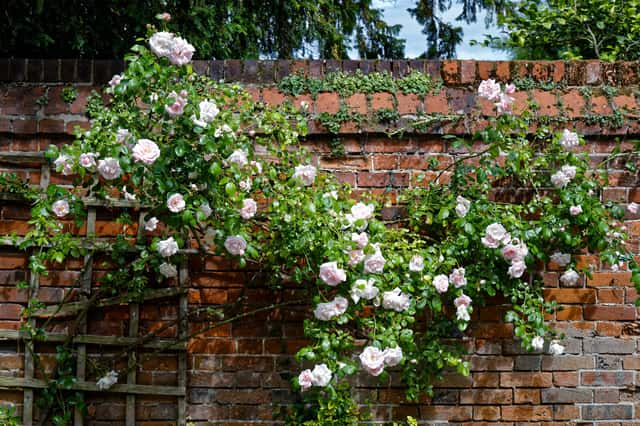
Nice Day Rose (Rosa 'CHEWNICEBELL') is a medium-care plant from the Rosaceae family. Rosa 'CHEWNICEBELL', marketed as 'Nice Day', is a modern patio climbing rose bred by award-winning UK breeder Chris Warner, known for compact, disease-resistant, low-spray garden roses. It bears loose sprays of small, double, fragrant salmon-to-coral-pink blooms up to 5cm across that repeat-flower t...
Nice Day Rose grows up to 2.5m, spread of 100cm, watering every 3 days, -15°C – 35°C, 40–70% humidity. It is not suitable for indoor environments and safe for pets.
Unlike many popular species, Nice Day Rose is safe to keep around pets.
How to Care for Nice Day Rose?
TLDR: Nice Day Rose needs Direct sun, watering every 3 days, and temperatures between -15-35°C with 40-70% humidity.
How Often Should You Water Nice Day Rose?
Water deeply at the base of the plant, especially when container-grown, and avoid wetting the foliage - damp leaves left standing encourage black spot.
How Much Light Does Nice Day Rose Need?
Needs at least 6 hours of direct sun a day; south, east, or west-facing positions all work well, sheltered or exposed.
What Is the Best Soil for Nice Day Rose?
Prefers moist but free-draining, fertile soil enriched with well-rotted manure or garden compost; tolerant of chalk, clay, loam, or sand at a neutral to slightly acidic pH.
What Pot Should You Use for Nice Day Rose?
A large, deep (40cm+) terracotta or wooden container with excellent drainage suits it well when grown as a patio specimen.
Care Schedule
Fertilize
Every 14 days
What Is Nice Day Rose and Where Does It Come From?
Rosa 'CHEWNICEBELL', marketed as 'Nice Day', is a modern patio climbing rose bred by award-winning UK breeder Chris Warner, known for compact, disease-resistant, low-spray garden roses. It bears loose sprays of small, double, fragrant salmon-to-coral-pink blooms up to 5cm across that repeat-flower through summer and autumn, set against neat, glossy dark-green foliage. Reaching around 1.5-2.5m tall with a 0.5-1m spread, its compact climbing habit suits pillars, obelisks, fences, and large patio containers in smaller gardens.
How to Propagate Nice Day Rose?
Hardwood Cuttings
- Keep the soil consistently moist but not waterlogged during the rooting phase.
- 1 Select Stem
Choose a healthy, pencil-thick stem from the current year's growth.
- 2 Cut and Prepare
Cut a 15-20cm length, removing the soft tip and lower leaves.
- 3 Planting
Dip the base in rooting hormone and insert into a gritty compost mix.
Materials needed:
How Big Does Nice Day Rose Grow?
TLDR: Nice Day Rose can reach up to 2.5m tall with Fast growth rate.
Max height
2.5m
Spread
1.0m
Growth rate
Fast
Foliage
Deciduous
Plant Uses
Ornamental
Great for decoration
Aromatic
Pleasant fragrance
Medicinal Uses
- Rosehip syrup for Vitamin C
- Rosewater for skin soothing
Culinary Uses
- Rose petal tea
- Garnish for desserts
Is your plant showing symptoms?
Click on the symptom to discover possible causes:
What Diseases Commonly Affect Nice Day Rose?
TLDR: Nice Day Rose is susceptible to 8 known diseases. Monitor regularly for early detection.
Black Spot
Black spot is the most serious fungal disease affecting roses, caused by the fungus Diplocarpon rosae. It is characterized by dark circular spots on leaves that progress to yellowing and premature leaf drop. The disease thrives in humid and cool conditions, especially early in the growing season.
Powdery Mildew
Powdery mildew is a common fungal disease caused by various fungi species including Erysiphe, Podosphaera, Oïdium, and Leveillula. It affects over 10,000 plant species worldwide. The disease thrives in warm, dry climates with high humidity and appears as a distinctive white powdery coating on plant surfaces.
Rust
Rust is a common fungal disease caused by fungi in the order Pucciniales that affects a wide variety of plants. The disease gets its name from the characteristic orange, yellow, or reddish-brown pustules that appear on leaves, resembling metal rust. This obligate fungal parasite requires living plants to survive and can cause significant economic losses in agricultural crops.
Downy Mildew
Downy mildew is a fungal-like disease caused by oomycetes (water molds) that thrives in cool, wet conditions. It affects a wide range of plants, causing yellowing leaves with fuzzy white-gray growth underneath, leading to defoliation and reduced yields if left untreated.
Meaning & Symbolism
Pink and salmon roses generally symbolize gratitude, grace, and admiration.
Compare with similar plants
| Attribute | Difficulty | Light | Watering | Pet Safe |
|---|---|---|---|---|
| Dark Fieldcap | Medium | Low light | 2d | ⚠️ |
| Azalea | Medium | Partial shade | 3d | ⚠️ |
| Muriel's Bamboo | Medium | Partial shade | 3d | ✓ |
| Bougainvillea | Medium | Direct sun | 7d | ⚠️ |




