Lauraceae
Spicebush: Aromatic Plant
Lindera benzoin
Spicebush is a low-maintenance, hardy shrub that thrives in both full sun and partial shade, although a sunny location provides a more compact shape and more vibrant fall color. It prefers consistently moist, well-drained soil but can tolerate both wet and drier periods once established. Pruning is rarely necessary, and fertilizing is usually unnecessary for this native species. The shrub is remarkably free from serious diseases and pests.
Every 7 days
Partial shade
-26° - °C
% - %
Categories
What is Spicebush?
Spicebush (Lindera benzoin) is a easy-care plant from the Lauraceae family. Lindera benzoin, commonly known as spicebush or northern spicebush, is a densely branched, deciduous shrub in the laurel family (Lauraceae), native to the moist woodlands of eastern North America. In early spring, before the leaves appear, small clusters of yellow flowers cover the bare branches. Wh...
Spicebush grows up to 4.0m, spread of 300cm, watering every 7 days. It is not suitable for indoor environments and safe for pets.
Unlike many tropical plants, Spicebush tolerates watering mistakes. Best for beginners. Unlike many popular species, Spicebush is safe to keep around pets.
How to Care for Spicebush?
TLDR: Spicebush needs Partial shade, watering every 7 days, and temperatures between -26-30°C with 40-70% humidity.
How Often Should You Water Spicebush?
Keep the soil consistently moist for the first few years after planting and water deeply during dry periods; once well-rooted, the shrub is quite tolerant of both wet and drier soils.
How Much Light Does Spicebush Need?
Preferably choose a location in partial shade with some morning sun; full sun provides the densest growth habit and best fall color, but deep shade is also well tolerated.
What Is the Best Soil for Spicebush?
Plant spicebush in moisture-retentive but well-drained soil with a pH between 5.0 and 8.0; the shrub tolerates clay and loam soils but grows best in slightly acidic, humus-rich forest soil.
What Pot Should You Use for Spicebush?
As a ground plant in a border or woodland garden, a pot is less common, but the shrub can thrive temporarily in a large, generously sized container with drainage holes and a well-drained substrate.
What Is Spicebush and Where Does It Come From?
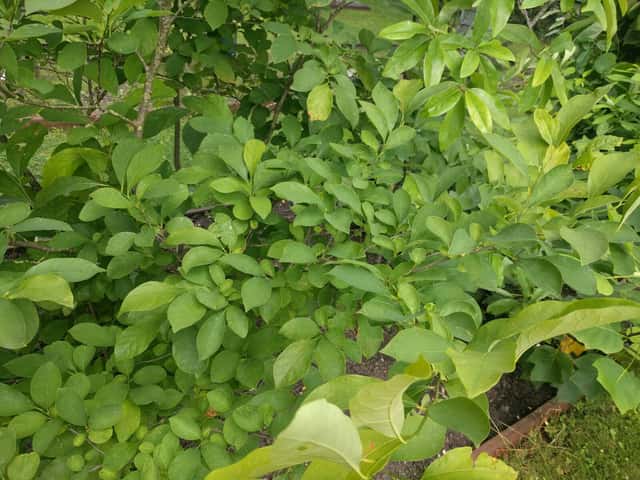
Lindera benzoin, commonly known as spicebush or northern spicebush, is a densely branched, deciduous shrub in the laurel family (Lauraceae), native to the moist woodlands of eastern North America. In early spring, before the leaves appear, small clusters of yellow flowers cover the bare branches. When crushed, the leaves release a spicy, citrus-like fragrance and turn bright yellow in the fall, while female plants bear ornamental bright red berries that are consumed by dozens of bird species.
How to Propagate Spicebush?
Seeds quickly lose their viability, so preferably sow fresh seeds and never let them dry out completely or freeze during stratification.
- 1 Harvest the red berry-like fruits in the fall as soon as they are ripe and remove the pulp surrounding the seeds.
- 2 Subject the seeds to cold, moist stratification for approximately 18 weeks at a temperature just above freezing.
- 3 Sow the stratified seeds about 1 cm deep in a large pot with moisture-retentive, well-drained soil.
- 4 Keep the substrate constantly moist; germination can be irregular.
- 5 Transplant the young seedlings outdoors once they have formed two to three pairs of true leaves.
Materials needed:
Lindera benzoin is known to be difficult to propagate from cuttings; work with multiple cuttings at once to increase the chance of success.
- 1 Take semi-ripe cuttings in summer or more mature side shoots in fall from a healthy mother plant.
- 2 Dip the bottom cut surface into rooting hormone.
- 3 Insert the cuttings into a moist, airy rooting medium and maintain high humidity under a dome.
- 4 Keep the medium moist but not waterlogged until rooting occurs, which can be slow.
Materials needed:
Because the root system of Lindera does not tolerate transplanting well, it is best to let the new plant grow directly in its permanent location.
- 1 Choose a low, flexible branch close to the ground.
- 2 Make a small nick in the bark at the point where the branch touches the ground.
- 3 Bend the branch to the ground and cover the damaged part with soil, secured with a peg or stone.
- 4 Keep the covered area moist until roots have formed, which usually takes a full growing season.
- 5 Cut the rooted section away from the mother plant once it has sufficient roots and transplant it.
Materials needed:
How Big Does Spicebush Grow?
TLDR: Spicebush can reach up to 4.0m tall with Medium growth rate.
Max height
4.0m
Spread
3.0m
Growth rate
Medium
Foliage
Deciduous
Plant Uses
Ornamental
Great for decoration
Edible
Can be consumed
Medicinal
Medicinal properties
Aromatic
Pleasant fragrance
Medicinal Uses
- The bark was traditionally used as a remedy for fevers, hence the name 'fever bush'
- Cherokee, Creek, and Iroquois peoples traditionally used the plant for various ailments
- The bark is documented as an aromatic, astringent, diaphoretic, and tonic agent
- Traditionally used for colds, intestinal parasites, and digestive complaints
Culinary Uses
- Young leaves, twigs, and fruits are used to make a fragrant herbal tea
- Dried and ground fruits serve as a substitute for allspice
- The leaves can be used as a spice
Is your plant showing symptoms?
Click on the symptom to discover possible causes:
What Diseases Commonly Affect Spicebush?
TLDR: Spicebush is susceptible to 3 known diseases. Monitor regularly for early detection.
Anthracnose
Anthracnose is a fungal disease caused by fungi in the genus Colletotrichum that affects many plants, including vegetables, fruits, and trees. The disease thrives in cool, wet conditions, causing dark, sunken lesions on leaves, stems, flowers, and fruits.
Verticillium Wilt
Verticillium wilt is a soil-borne fungal disease caused primarily by the fungi Verticillium dahliae and V. albo-atrum. These pathogens infect plant roots and grow within the vascular tissues, blocking water and nutrient transport, resulting in wilting and eventual plant death. The disease affects over 350 plant species including vegetables, fruits, ornamental flowers, and trees. The fungi can survive in soil for more than 10 years as resistant structures called microsclerotia.
Spider Mites
Spider mites are tiny arachnids (less than 1/20 inch long) related to spiders and ticks that feed on plant sap. They thrive in hot, dry conditions and can cause significant damage to ornamental and vegetable plants. During severe infestations, crop losses can reach 14% or higher as these pests disrupt vital plant processes including photosynthesis, carbon dioxide absorption, and transpiration.
Meaning & Symbolism
Early surveyors and settlers in North America used the presence of spicebush as a natural indicator of fertile land suitable for agriculture.
Compare with similar plants
| Attribute | Difficulty | Light | Watering | Pet Safe |
|---|---|---|---|---|
| Field Maple | Easy | Bright indirect | 14d | ✓ |
| Silver Birch | Easy | Direct sun | 14d | ✓ |
| Common Blanketflower | Easy | Direct sun | 10d | ✓ |
| Cushion Bush | Easy | Direct sun | 14d | ✓ |





