Asparagaceae
Numidian Squill (Drimia numidica): Care Guide
Drimia numidica
A sun-loving bulb for dry, frost-light gardens or a deep pot. Plant it with the top of the bulb at soil level in sandy, very well-drained soil and full sun. Water only while the leaves are growing in the cool season and keep it completely dry during summer dormancy. Wear gloves when handling the bulb and keep it away from pets and children.
Every 21 days
Direct sun
-5° - 35°C
20% - 50%
Categories
What is Numidian Squill?
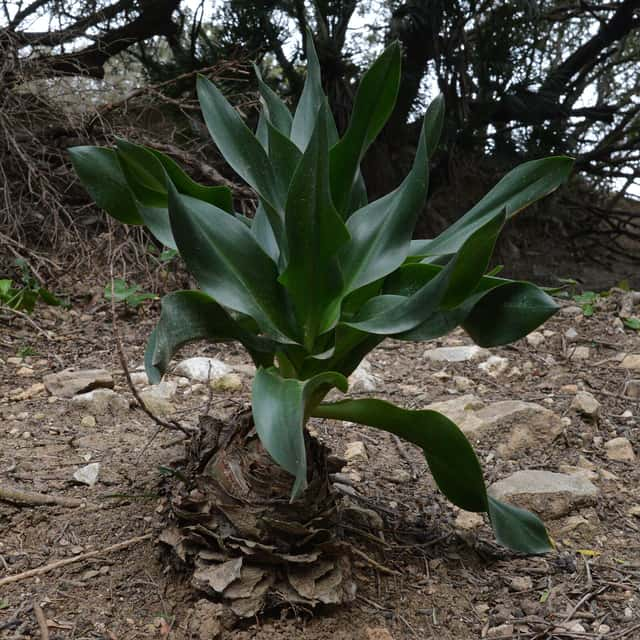
Numidian Squill (Drimia numidica) is a medium-care plant from the Asparagaceae family. Drimia numidica is a bulbous perennial of the Mediterranean region and North Africa, one of the species split from the sea squill complex (Drimia maritima, formerly Urginea). It grows from a large bulb in dry, sunny, rocky or sandy places. Like its relatives it follows the Mediterranean rhythm: broa...
Numidian Squill grows up to watering every 21 days, -5°C – 35°C, 20–50% humidity. It is not suitable for indoor environments and not safe for pets.
Without precautions, ingestion can cause irritation in pets. Keep out of reach of cats and dogs.
How to Care for Numidian Squill?
TLDR: Numidian Squill needs Direct sun, watering every 21 days, and temperatures between -5-35°C with 20-50% humidity.
How Often Should You Water Numidian Squill?
Water about every 2-3 weeks while it is in leaf, letting the soil dry out in between. When the leaves yellow in late spring, stop watering and keep it dry until the flower spike or new leaves appear. Wet soil in dormancy rots the bulb.
How Much Light Does Numidian Squill Need?
Full sun; light shade is tolerated. It needs strong light to flower and to keep the leaves compact.
What Is the Best Soil for Numidian Squill?
Sandy or gritty, very well-drained soil; rocky slopes and raised beds are ideal. In heavy soil plant on a slope or in a raised bed. In pots use a mineral cactus mix.
What Pot Should You Use for Numidian Squill?
A deep, heavy terracotta pot with a large drainage hole, wide enough for the big bulb; clay helps the mix dry out during dormancy.
What Is Numidian Squill and Where Does It Come From?
Drimia numidica is a bulbous perennial of the Mediterranean region and North Africa, one of the species split from the sea squill complex (Drimia maritima, formerly Urginea). It grows from a large bulb in dry, sunny, rocky or sandy places. Like its relatives it follows the Mediterranean rhythm: broad strap-shaped leaves appear in the cool, wet season and die back in summer, and around late summer and autumn a tall leafless spike of small white star-shaped flowers rises from the bare bulb. Every part of the plant, especially the bulb, contains cardiac glycosides and is highly poisonous.
How to Propagate Numidian Squill?
Bulb offsets
Offsets form slowly. Handle bulbs only with gloves and wash tools afterwards.
- 1 Wear gloves; the sap irritates skin
- 2 Lift the clump in late summer while the bulb is dormant
- 3 Separate offsets that have formed at the base of the mother bulb
- 4 Replant at once in sandy, well-drained soil with the tip at soil level and keep dry until growth starts
Materials needed:
Seed
Seedling bulbs take several years to reach flowering size.
- 1 Sow fresh seed in autumn as soon as it is ripe
- 2 Cover lightly with sandy mix
- 3 Keep lightly moist in a bright, cool place through winter
- 4 Let seedlings go dry when their leaves die back in summer
Materials needed:
How Big Does Numidian Squill Grow?
TLDR: Numidian Squill can reach up to ?cm tall with Medium growth rate.
Foliage
Deciduous
Warning: Toxic Plant
This plant can be toxic if ingested. Keep out of reach of:
Plant Uses
Ornamental
Great for decoration
Is your plant showing symptoms?
Click on the symptom to discover possible causes:
What Diseases Commonly Affect Numidian Squill?
TLDR: Numidian Squill is susceptible to 2 known diseases. Monitor regularly for early detection.
Root Rot
Root rot is a serious fungal disease that affects the root system of plants, causing them to decay and die. It is primarily caused by overwatering, poor drainage, or soil-borne fungi such as Pythium, Phytophthora, Rhizoctonia, and Fusarium. The disease thrives in waterlogged conditions where roots are deprived of oxygen, making them susceptible to fungal infection.
Overwatering
Overwatering occurs when plants receive too much water, depriving roots of oxygen and causing root rot. This environmental stress is one of the most common causes of houseplant death, as waterlogged soil prevents roots from breathing and functioning properly.
Meaning & Symbolism
Squills of the Mediterranean have long been hung over doors at the New Year as charms for protection and prosperity, a symbol of renewal.
Fun Facts
Flowers and leaves usually do not appear at the same time
Sea squills were used as rat poison and as a heart medicine, both from their cardiac glycosides
The genus name Drimia comes from the Greek for "acrid", after its irritating sap
Frequently asked questions
Is Drimia numidica poisonous to pets?
Why did my squill lose all its leaves?
How is it different from Drimia maritima?
Compare with similar plants
| Attribute | Difficulty | Light | Watering | Pet Safe |
|---|---|---|---|---|
| Dark Fieldcap | Medium | Low light | 2d | ⚠️ |
| Azalea | Medium | Partial shade | 3d | ⚠️ |
| Muriel's Bamboo | Medium | Partial shade | 3d | ✓ |
| Bougainvillea | Medium | Direct sun | 7d | ⚠️ |
Choose & Compare
Sources & References
- GBIF Backbone - Drimia numidica (accepted; syn. Urginea numidica, Charybdis numidica, Urginea maritima var. numidica)
- IPNI - Drimia numidica (Jord. & Fourr.) J.C.Manning & Goldblatt
- NC State Extension Plant Toolbox - Drimia maritima (sea squill complex)
- Malta Wild Plants - Drimia pancration (related Mediterranean squill)