Boletaceae
Old-man-of-the-woods: Edible Plant
Strobilomyces strobilaceus
This is a wild mushroom that cannot be easily cultivated; it requires a symbiotic relationship with living hardwood trees, particularly oaks.
Every 7-10 days
Low light
10° - 25°C
70% - 95%
Categories
What is Old-man-of-the-woods?
Old-man-of-the-woods (Strobilomyces strobilaceus) is a hard-care plant from the Boletaceae family. Strobilomyces strobilaceus, commonly known as Old-man-of-the-woods, is a distinctive mycorrhizal fungus found in deciduous forests. It is easily recognized by its cap, which is covered in large, dark, woolly scales resembling a pine cone. The flesh stains pinkish then black when cut, and the undersi...
Old-man-of-the-woods grows up to 15cm, spread of 12cm, 10°C – 25°C, 70–95% humidity. It is not suitable for indoor environments and safe for pets.
Unlike easy-care plants, Old-man-of-the-woods demands constant attention to humidity and light. Not recommended for beginners. Unlike many popular species, Old-man-of-the-woods is safe to keep around pets.
How to Care for Old-man-of-the-woods?
TLDR: Old-man-of-the-woods needs Low light, watering every 7 days, and temperatures between 10-25°C with 70-95% humidity.
How Often Should You Water Old-man-of-the-woods?
Depends on natural rainfall and high ambient humidity; the soil must remain consistently damp but not flooded.
How Much Light Does Old-man-of-the-woods Need?
Requires deep shade found in mature hardwood forests; direct sunlight will dry out the mycelium.
What Is the Best Soil for Old-man-of-the-woods?
Thrives in acidic, leaf-litter rich soil near the root systems of Fagaceae family trees.
What Pot Should You Use for Old-man-of-the-woods?
Not suitable for pots; requires natural forest floor integration.
What Is Old-man-of-the-woods and Where Does It Come From?
Strobilomyces strobilaceus, commonly known as Old-man-of-the-woods, is a distinctive mycorrhizal fungus found in deciduous forests. It is easily recognized by its cap, which is covered in large, dark, woolly scales resembling a pine cone. The flesh stains pinkish then black when cut, and the underside features a greyish pore surface rather than gills.
How to Propagate Old-man-of-the-woods?
Spore Dispersal
- Success depends entirely on the presence of specific host tree roots.
- Maintain high leaf litter and moisture in the area.
- 1 Spore Collection
Place a mature cap on white paper to collect the blackish-brown spore print.
- 2 Slurry Preparation
Mix spores with non-chlorinated water and a pinch of salt to create a spore slurry.
- 3 Inoculation
Pour the slurry over the root zones of living oak or beech trees.
Materials needed:
How Big Does Old-man-of-the-woods Grow?
TLDR: Old-man-of-the-woods can reach up to 15cm tall with Slow growth rate.
Max height
15cm
Spread
12cm
Growth rate
Slow
Plant Uses
Edible
Can be consumed
Culinary Uses
- Edible when cooked
- Used in soups and stews
- Drying for flavor intensification
Is your plant showing symptoms?
Click on the symptom to discover possible causes:
Meaning & Symbolism
Often associated with the wisdom of the forest and the cycle of decay and rebirth.
Compare with similar plants
| Attribute | Difficulty | Light | Watering | Pet Safe |
|---|---|---|---|---|
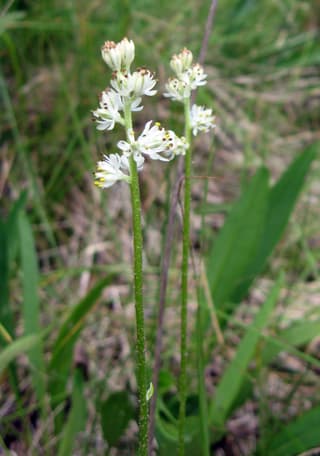
| Sticky false asphodel | Hard | Bright indirect | 1d | ✓ |
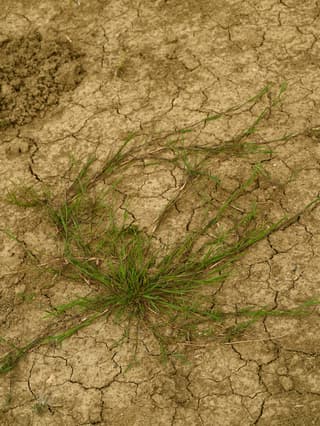
| Creeping bentgrass | Hard | Direct sun | 3d | ✓ |
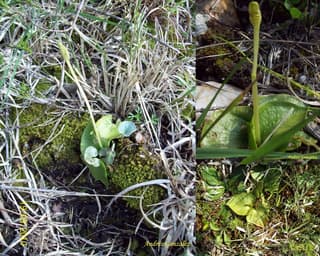
| Bulbous Adder's-tongue | Hard | Partial shade | 4d | ✓ |
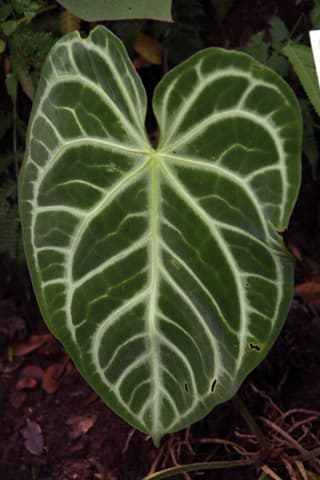
| Crystal Anthurium | Hard | Partial shade | 7d | ⚠️ |