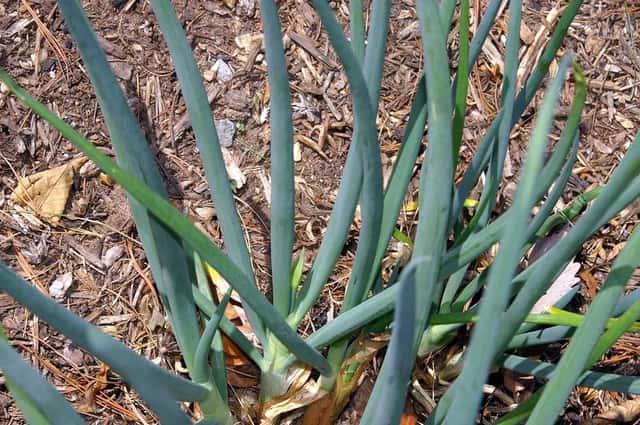
Amaryllidaceae
Onion (Allium cepa): Complete Growing and Care Guide
Allium cepa
Plant in full sun, at least 6 hours daily. Water every 2-4 days, avoiding waterlogging. Prefers fertile, well-drained, slightly acidic soil (pH 6.0–6.8). Reduce watering as bulbs mature.
Every 3 days
Direct sun
10° - 30°C
50% - 70%
Categories
What is Onion?
Onion (Allium cepa) is a easy-care plant from the Amaryllidaceae family. The onion (Allium cepa) is one of the most widely cultivated and consumed vegetables in the world, originating from Central Asia. Belonging to the Amaryllidaceae family, it has been grown for thousands of years for its culinary and medicinal properties. It produces succulent bulbs rich in sulfur com...
Onion grows up to 60cm, spread of 20cm, watering every 3 days, 10°C – 30°C, 50–70% humidity. It is not suitable for indoor environments and not safe for pets.
Unlike many tropical plants, Onion tolerates watering mistakes. Best for beginners. Without precautions, ingestion can cause irritation in pets. Keep out of reach of cats and dogs.
How to Care for Onion?
TLDR: Onion needs Direct sun, watering every 3 days, and temperatures between 10-30°C with 50-70% humidity.
How Often Should You Water Onion?
Water every 2-4 days during early growth stages. As bulbs begin to form, gradually reduce irrigation to prevent rotting. Never allow the soil to become waterlogged.
How Much Light Does Onion Need?
Requires full sun — at least 6 to 8 hours of direct sunlight per day. Adequate sun exposure is essential for healthy bulb development.
What Is the Best Soil for Onion?
Use fertile, loose, well-draining soil rich in organic matter, with a pH between 6.0 and 6.8. Avoid heavy clay soils that retain excess moisture.
What Pot Should You Use for Onion?
Clay or terracotta pots are ideal as they allow good drainage and root aeration. Use pots at least 30 cm deep.
Care Schedule
Fertilize
Every 30 days
What Is Onion and Where Does It Come From?
The onion (Allium cepa) is one of the most widely cultivated and consumed vegetables in the world, originating from Central Asia. Belonging to the Amaryllidaceae family, it has been grown for thousands of years for its culinary and medicinal properties. It produces succulent bulbs rich in sulfur compounds, flavonoids, and antioxidants.
How to Propagate Onion?
Direct seeding
Sow in full sun. Thin seedlings to maintain 10-15 cm spacing between plants.
- 1 Prepare soil with organic compost and level the surface well
- 2 Make 1 cm deep furrows spaced 20-25 cm apart
- 3 Sow seeds and cover lightly with soil
- 4 Water gently and keep soil moist until germination
Materials needed:
Bulblets
Prefer medium-sized bulblets for better sprouting. Avoid planting damaged or soft bulblets.
- 1 Select firm, healthy bulblets from the mother plant
- 2 Plant 2-3 cm deep with the tip pointing upward
- 3 Space 10-15 cm between bulblets
- 4 Water after planting and keep soil moist
Materials needed:
How Big Does Onion Grow?
TLDR: Onion can reach up to 60cm tall with Medium growth rate.
Max height
60cm
Spread
20cm
Growth rate
Medium
Foliage
Deciduous
Warning: Toxic Plant
This plant can be toxic if ingested. Keep out of reach of:
Plant Uses
Edible
Can be consumed
Medicinal
Medicinal properties
Medicinal Uses
- Anti-inflammatory and antioxidant properties
- Support for blood pressure control
- Cardiovascular health improvement
- Natural antimicrobial and antifungal action
Culinary Uses
- Sautéed dishes and soups
- Raw in salads
- Base seasoning for sauces and stews
- Pickles and preserves
- Use in dehydrated powders and seasonings
Is your plant showing symptoms?
Click on the symptom to discover possible causes:
What Diseases Commonly Affect Onion?
TLDR: Onion is susceptible to 7 known diseases. Monitor regularly for early detection.
Downy Mildew
Downy mildew is a fungal-like disease caused by oomycetes (water molds) that thrives in cool, wet conditions. It affects a wide range of plants, causing yellowing leaves with fuzzy white-gray growth underneath, leading to defoliation and reduced yields if left untreated.
White Mold
White mold (Sclerotinia sclerotiorum) is a devastating fungal disease affecting over 400 plant species worldwide. The fungus produces black, seed-like structures (sclerotia) that can survive in soil for 5 or more years. The disease is favored by cool, moist weather (50-68°F/10-20°C), especially during flowering.
Fusarium Wilt
Fusarium wilt is a serious fungal disease caused by the soil-borne fungus Fusarium oxysporum. The fungus invades roots and blocks the water-conducting vessels (xylem) of the plant, causing progressive wilting and eventual death. Host-specific forms of the pathogen exist that attack different plant species.
Anthracnose
Anthracnose is a fungal disease caused by fungi in the genus Colletotrichum that affects many plants, including vegetables, fruits, and trees. The disease thrives in cool, wet conditions, causing dark, sunken lesions on leaves, stems, flowers, and fruits.
Meaning & Symbolism
Symbol of protection, strength and purification in Central Asian and Mediterranean cultures.
Fun Facts
Onions have been cultivated for over 5,000 years, making them one of the oldest vegetables in the world
The sulfur compounds that cause tearing when cutting onions have proven antimicrobial properties
A medium onion contains only 40 calories but is rich in vitamin C, B6, and manganese
Onions can be grown from both seeds and bulblets, making propagation very accessible
Frequently asked questions
How often should I water onions?
Are onions toxic to pets?
How much sun do onions need?
What is the ideal soil pH for growing onions?
When do onions flower?
Compare with similar plants
| Attribute | Difficulty | Light | Watering | Pet Safe |
|---|---|---|---|---|
| Field Maple | Easy | Bright indirect | 14d | ✓ |
| Silver Birch | Easy | Direct sun | 14d | ✓ |
| Common Blanketflower | Easy | Direct sun | 10d | ✓ |
| Cushion Bush | Easy | Direct sun | 14d | ✓ |





