Asteraceae
Orange Coneflower: Fast Growing
Rudbeckia fulgida
Easy-care perennial that thrives in full sun with well-drained soil. Water regularly while establishing, then rely on rainfall except during drought. Divide clumps every 3 to 4 years to keep plants vigorous and control spread. Deadhead spent blooms to prolong flowering and cut back in late winter.
Every 7 days
Bright indirect
° - °C
% - %
Categories
What is Orange Coneflower?
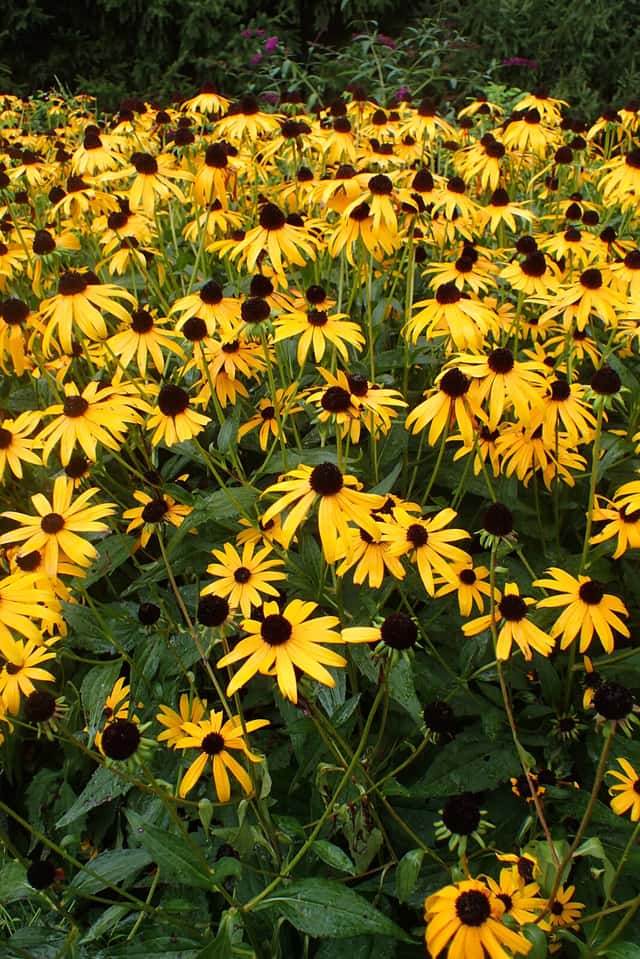
Orange Coneflower (Rudbeckia fulgida) is a easy-care plant from the Asteraceae family. Rudbeckia fulgida is a clump-forming herbaceous perennial native to eastern North America, prized for its cheerful daisy-like flowers with golden-orange petals surrounding a dark brown-black central cone. Blooming from late summer into fall, it forms a tidy basal rosette of hairy, toothed leaves and...
Orange Coneflower grows up to 90cm, spread of 60cm, watering every 7 days. It is not suitable for indoor environments and safe for pets.
Unlike many tropical plants, Orange Coneflower tolerates watering mistakes. Best for beginners. Unlike many popular species, Orange Coneflower is safe to keep around pets.
How to Care for Orange Coneflower?
TLDR: Orange Coneflower needs Bright indirect, watering every 7 days, and temperatures between 15-30°C with 40-70% humidity.
How Often Should You Water Orange Coneflower?
Water deeply about once a week during the first growing season to establish strong roots. Once established, this drought-tolerant perennial only needs supplemental water during extended dry spells; avoid overhead watering to reduce leaf disease.
How Much Light Does Orange Coneflower Need?
Plant in full sun, six or more hours of direct light daily, for the strongest stems and fullest bloom; it tolerates light afternoon shade in hot climates but may flower less and flop over.
What Is the Best Soil for Orange Coneflower?
Not fussy about soil type, tolerating clay, loam, and rocky ground, but good drainage is essential to prevent root and crown rot. Amend poor soil with compost at planting time.
What Pot Should You Use for Orange Coneflower?
If grown in a container, choose a wide pot at least 30 to 40cm deep with generous drainage holes; terracotta helps prevent waterlogging in damp climates.
What Is Orange Coneflower and Where Does It Come From?
Rudbeckia fulgida is a clump-forming herbaceous perennial native to eastern North America, prized for its cheerful daisy-like flowers with golden-orange petals surrounding a dark brown-black central cone. Blooming from late summer into fall, it forms a tidy basal rosette of hairy, toothed leaves and spreads slowly by rhizomes to create informal drifts in borders, meadows, and pollinator gardens. Popular cultivars such as Goldsturm are valued for a long bloom season and reliable performance across a wide range of climates.
How to Propagate Orange Coneflower?
Division
Divide every 3 to 4 years in early spring or fall to keep clumps vigorous and prevent overcrowding; replant divisions immediately and water well.
- 1 Dig up the entire clump in early spring or fall
- 2 Split the root mass into sections with a spade or knife, each with several shoots and roots
- 3 Replant divisions at the same depth in prepared, well-draining soil
- 4 Water thoroughly and keep soil moist until new growth appears
Materials needed:
Seed sowing
Spring-sown seed needs about 3 months of cold stratification around 4C to germinate reliably; fall sowing lets winter cold do this naturally.
- 1 Sow seed in early to mid fall, or in spring after cold stratification
- 2 Cover lightly with about 1 cm of soil
- 3 Keep soil consistently moist until germination, about 2 weeks
- 4 Thin seedlings once true leaves appear
Materials needed:
How Big Does Orange Coneflower Grow?
TLDR: Orange Coneflower can reach up to 90cm tall with Fast growth rate.
Max height
90cm
Spread
60cm
Growth rate
Fast
Foliage
Evergreen
Plant Uses
Ornamental
Great for decoration
Is your plant showing symptoms?
Click on the symptom to discover possible causes:
What Diseases Commonly Affect Orange Coneflower?
TLDR: Orange Coneflower is susceptible to 9 known diseases. Monitor regularly for early detection.
Powdery Mildew
Powdery mildew is a common fungal disease caused by various fungi species including Erysiphe, Podosphaera, Oïdium, and Leveillula. It affects over 10,000 plant species worldwide. The disease thrives in warm, dry climates with high humidity and appears as a distinctive white powdery coating on plant surfaces.
Septoria Leaf Spot
Septoria leaf spot is a destructive fungal disease caused by Septoria lycopersici, particularly devastating during seasons of moderate temperature and abundant rainfall. The disease starts on lower leaves and progresses upward, causing small circular spots with tan to gray centers and dark brown margins. If left untreated, it can dramatically reduce plant yields and cause complete leaf blight.
Bacterial Leaf Spot
Bacterial leaf spot is a plant disease caused by bacteria in the Xanthomonas and Pseudomonas genera that affects various ornamental and edible plants. The bacteria infect leaves through wounds or natural openings, causing characteristic lesions that can lead to premature leaf drop and plant weakening.
Downy Mildew
Downy mildew is a fungal-like disease caused by oomycetes (water molds) that thrives in cool, wet conditions. It affects a wide range of plants, causing yellowing leaves with fuzzy white-gray growth underneath, leading to defoliation and reduced yields if left untreated.
Meaning & Symbolism
Symbol of justice, encouragement, and endurance; Victorian flower language used the black-eyed Susan to say you can make it through hard times, its bright petals framing a dark center like hope shining through darkness.
Compare with similar plants
| Attribute | Difficulty | Light | Watering | Pet Safe |
|---|---|---|---|---|
| Field Maple | Easy | Bright indirect | 14d | ✓ |
| Silver Birch | Easy | Direct sun | 14d | ✓ |
| Common Blanketflower | Easy | Direct sun | 10d | ✓ |
| Cushion Bush | Easy | Direct sun | 14d | ✓ |





