Scrophulariaceae
Orange Mullein (Verbascum phlomoides) Care Guide
Verbascum phlomoides
Give orange mullein full sun and well-drained, even poor or gravelly soil. Water sparingly and let the soil dry between waterings; it is highly drought tolerant once established and prone to root rot in soggy conditions. No regular feeding is needed.
Every 14 days
Direct sun
-23° - 35°C
% - %
Categories
What is Orange Mullein?
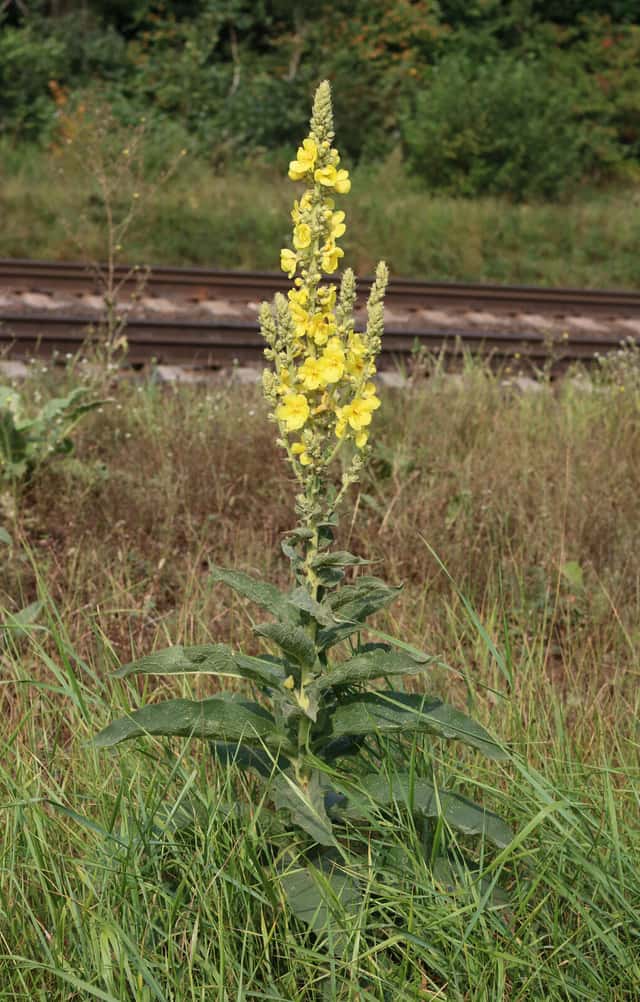
Orange Mullein (Verbascum phlomoides) is a easy-care plant from the Scrophulariaceae family. Verbascum phlomoides, commonly called orange mullein or woolly mullein, is a biennial to short-lived perennial herb in the figwort family (Scrophulariaceae). It forms a low rosette of soft, grey-green, felted leaves in its first year, then sends up a tall flowering spike up to 2.5 m covered in brigh...
Orange Mullein grows up to 2.5m, spread of 100cm, watering every 14 days, -23°C – 35°C. It is not suitable for indoor environments and safe for pets.
Unlike many tropical plants, Orange Mullein tolerates watering mistakes. Best for beginners. Unlike many popular species, Orange Mullein is safe to keep around pets.
How to Care for Orange Mullein?
TLDR: Orange Mullein needs Direct sun, watering every 14 days, and temperatures between -23-35°C with 40-70% humidity.
How Often Should You Water Orange Mullein?
Water only when the soil has dried out; overwatering is the biggest risk for this drought-tolerant plant and can quickly cause root rot.
How Much Light Does Orange Mullein Need?
Plant in full sun; orange mullein cannot grow well in shade and needs at least 6 hours of direct light daily.
What Is the Best Soil for Orange Mullein?
Use well-drained sandy, loamy, or chalky soil; it tolerates poor and alkaline soils but dislikes waterlogging.
What Pot Should You Use for Orange Mullein?
Best grown in the ground; if potted, use a wide, deep terracotta pot with drainage holes and a gritty, well-draining mix.
Care Schedule
Fertilize
Every 14 days
Misting
Every 3 days
Rotate
Every 7 days
Repot
Every 365 days
What Is Orange Mullein and Where Does It Come From?
Verbascum phlomoides, commonly called orange mullein or woolly mullein, is a biennial to short-lived perennial herb in the figwort family (Scrophulariaceae). It forms a low rosette of soft, grey-green, felted leaves in its first year, then sends up a tall flowering spike up to 2.5 m covered in bright yellow blooms from June to September in its second year. Native to Europe and western Asia, it thrives in poor, dry, sunny sites and is valued in gardens for its architectural form, pollinator appeal, and traditional medicinal uses.
How to Propagate Orange Mullein?
Seed sowing
Mullein self-seeds readily once established, so deadhead spent flower spikes if you want to control spread.
- 1 Sow seeds directly on the soil surface in a cold frame or seed tray, as they need light to germinate
- 2 Keep the soil lightly moist until germination in 2-3 weeks
- 3 Transplant seedlings to their final position in late summer once large enough to handle
- 4 Space plants 40-60 cm apart in a sunny, well-drained spot
Materials needed:
How Big Does Orange Mullein Grow?
TLDR: Orange Mullein can reach up to 2.5m tall with Medium growth rate.
Max height
2.5m
Spread
1.0m
Growth rate
Medium
Foliage
Evergreen
Plant Uses
Ornamental
Great for decoration
Medicinal
Medicinal properties
Medicinal Uses
- Traditionally used for coughs and respiratory complaints (expectorant)
- Flowers used in infusions for sore throat and earache
- Seeds historically used to expel tapeworms
- Leaves applied as poultices for wounds and boils
Is your plant showing symptoms?
Click on the symptom to discover possible causes:
What Diseases Commonly Affect Orange Mullein?
TLDR: Orange Mullein is susceptible to 3 known diseases. Monitor regularly for early detection.
Powdery Mildew
Powdery mildew is a common fungal disease caused by various fungi species including Erysiphe, Podosphaera, Oïdium, and Leveillula. It affects over 10,000 plant species worldwide. The disease thrives in warm, dry climates with high humidity and appears as a distinctive white powdery coating on plant surfaces.
Root Rot
Root rot is a serious fungal disease that affects the root system of plants, causing them to decay and die. It is primarily caused by overwatering, poor drainage, or soil-borne fungi such as Pythium, Phytophthora, Rhizoctonia, and Fusarium. The disease thrives in waterlogged conditions where roots are deprived of oxygen, making them susceptible to fungal infection.
Caterpillars
Caterpillars are the larval stage of moths and butterflies that feed voraciously on plant foliage, stems, flowers, and fruits. Common species include cabbage loopers, tomato hornworms, armyworms, and cutworms. These pests can cause extensive damage by consuming large amounts of plant tissue in a short time. They vary in size from small (1/4 inch) to large (5 inches), with colors ranging from green to brown, often featuring stripes or spots. Caterpillars are highly mobile and can quickly spread throughout gardens, making them one of the most destructive common pests.
Meaning & Symbolism
In traditional folklore, mullein was carried as a protective herb and associated with courage and warding off negative energy.
Fun Facts
Despite its name, orange mullein actually produces bright yellow flowers, not orange ones
Its soft, felted leaves were historically used as natural insulation and even as lamp wicks
It is a biennial: it grows a leaf rosette in year one and flowers in year two before dying back
Mullein flower spikes can tower over 2 meters tall in ideal conditions
Frequently asked questions
How much sun does orange mullein need?
How often should I water orange mullein?
Is orange mullein toxic to pets?
When does orange mullein flower?
Compare with similar plants
| Attribute | Difficulty | Light | Watering | Pet Safe |
|---|---|---|---|---|
| Field Maple | Easy | Bright indirect | 14d | ✓ |
| Silver Birch | Easy | Direct sun | 14d | ✓ |
| Common Blanketflower | Easy | Direct sun | 10d | ✓ |
| Cushion Bush | Easy | Direct sun | 14d | ✓ |





