Polygonaceae
Pale Persicaria: Full Sun Plant
Persicaria lapathifolia
An easy, vigorous annual for moist to wet ground in full sun. It thrives with plenty of water and self-seeds freely, so it can spread readily. More a wild and wildlife plant than a formal ornamental, it suits pond edges, rain gardens and naturalistic plantings.
Every 3 days
Direct sun
5° - 35°C
40% - 80%
Categories
What is Pale Persicaria?
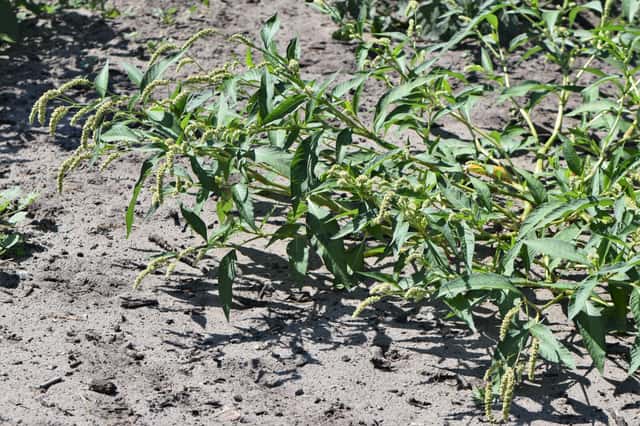
Pale Persicaria (Persicaria lapathifolia) is a easy-care plant from the Polygonaceae family. Pale Persicaria (Persicaria lapathifolia) is a fast-growing annual of the buckwheat family, found across much of the world in damp, disturbed ground. It reaches up to about 1.5 m, with lance-shaped leaves often marked with a dark blotch and dense nodding spikes of tiny pink, white or greenish flower...
Pale Persicaria grows up to 1.5m, spread of 60cm, watering every 3 days, 5°C – 35°C, 40–80% humidity. It is not suitable for indoor environments and safe for pets.
Unlike many tropical plants, Pale Persicaria tolerates watering mistakes. Best for beginners. Unlike many popular species, Pale Persicaria is safe to keep around pets.
How to Care for Pale Persicaria?
TLDR: Pale Persicaria needs Direct sun, watering every 3 days, and temperatures between 5-35°C with 40-80% humidity.
How Often Should You Water Pale Persicaria?
Keep the soil consistently moist to wet - this is a plant of damp margins and it wilts quickly if it dries out. It tolerates waterlogged ground and shallow standing water.
How Much Light Does Pale Persicaria Need?
Grows best in full sun, which keeps it sturdy and free-flowering; it tolerates light shade but becomes lax and weak in deep shade.
What Is the Best Soil for Pale Persicaria?
Undemanding on soil type as long as it stays moist; it does well in fertile, loamy or heavy ground with a slightly acidic to neutral pH.
What Pot Should You Use for Pale Persicaria?
If contained, use a large pot with no drainage restriction standing in a saucer of water to keep it wet; deadhead spikes to limit prolific self-seeding.
Care Schedule
Fertilize
Every 14 days
Misting
Every 3 days
Rotate
Every 7 days
Repot
Every 365 days
What Is Pale Persicaria and Where Does It Come From?
Pale Persicaria (Persicaria lapathifolia) is a fast-growing annual of the buckwheat family, found across much of the world in damp, disturbed ground. It reaches up to about 1.5 m, with lance-shaped leaves often marked with a dark blotch and dense nodding spikes of tiny pink, white or greenish flowers from spring to autumn. It is a common wetland and field weed, valued mainly for wildlife - its seeds feed birds.
How to Propagate Pale Persicaria?
Seed
- Self-seeds freely; sow on the surface of moist soil.
- Deadhead to control spread.
- 1 Sow
Scatter seed on moist, fertile soil and press in lightly.
- 2 Germinate
Keep constantly moist and warm in good light.
- 3 Grow on
Thin or transplant seedlings while small.
Materials needed:
Stem Cutting
- Stems root readily at the nodes in wet conditions.
- 1 Cut
Take a stem section with a few nodes.
- 2 Root
Stand in water or push into wet soil.
- 3 Plant
Pot up once roots form at the nodes.
Materials needed:
How Big Does Pale Persicaria Grow?
TLDR: Pale Persicaria can reach up to 1.5m tall with Fast growth rate.
Max height
1.5m
Spread
60cm
Growth rate
Fast
Foliage
Deciduous
Is your plant showing symptoms?
Click on the symptom to discover possible causes:
What Diseases Commonly Affect Pale Persicaria?
TLDR: Pale Persicaria is susceptible to 5 known diseases. Monitor regularly for early detection.
Leaf Spot
Leaf spot is a common fungal disease caused by various pathogens including Alternaria, Ascochyta, Colletotrichum, Septoria, and Venturia. It primarily affects leaves, causing discolored spots that can lead to premature leaf drop if left untreated.
Aphids
Aphids are small, soft-bodied, pear-shaped insects (1/16 to 1/8 inch long) that feed by sucking nutrient-rich sap from plants. They reproduce rapidly and can quickly weaken plants, causing distorted growth and transmitting plant viruses. Aphids come in various colors including green, black, red, yellow, brown, and gray. They secrete honeydew, a sticky substance that attracts ants and encourages sooty mold growth.
Rust
Rust is a common fungal disease caused by fungi in the order Pucciniales that affects a wide variety of plants. The disease gets its name from the characteristic orange, yellow, or reddish-brown pustules that appear on leaves, resembling metal rust. This obligate fungal parasite requires living plants to survive and can cause significant economic losses in agricultural crops.
Powdery Mildew
Powdery mildew is a common fungal disease caused by various fungi species including Erysiphe, Podosphaera, Oïdium, and Leveillula. It affects over 10,000 plant species worldwide. The disease thrives in warm, dry climates with high humidity and appears as a distinctive white powdery coating on plant surfaces.
Meaning & Symbolism
A pioneer of wet, disturbed ground - a quiet symbol of resilience and quick renewal along water margins.
Compare with similar plants
| Attribute | Difficulty | Light | Watering | Pet Safe |
|---|---|---|---|---|
| Field Maple | Easy | Bright indirect | 14d | ✓ |
| Silver Birch | Easy | Direct sun | 14d | ✓ |
| Common Blanketflower | Easy | Direct sun | 10d | ✓ |
| Cushion Bush | Easy | Direct sun | 14d | ✓ |





