Sarraceniaceae
Pale Pitcher Plant: Full Sun Plant
Sarracenia alata
Requires full direct sun (6+ hours/day), pure distilled or rainwater in tray method (never tap water), acidic peat + sand soil (pH 4-5.5), mandatory cold winter dormancy (2-10°C for 3-5 months), high humidity. Outdoor plant only.
Every 1 days
Direct sun
2° - 30°C
60% - 85%
Categories
What is Pale Pitcher Plant?
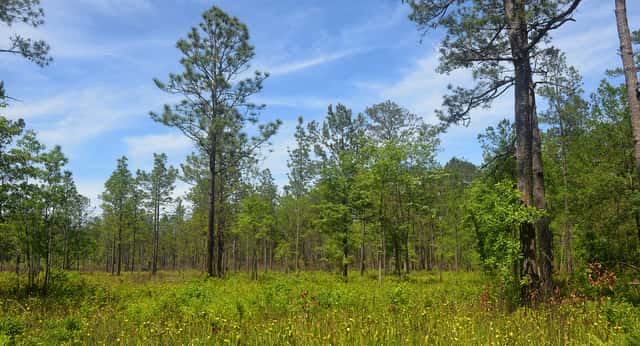
Pale Pitcher Plant (Sarracenia alata) is a medium-care plant from the Sarraceniaceae family. Perennial carnivorous plant native to southeastern North America, characterized by tall, slender, tube-shaped traps (pitchers) in pale yellow to white. Thrives in saturated, nutrient-poor soils in longleaf pine savannas, capturing insects to supplement nutrients.
Pale Pitcher Plant grows up to 60cm, spread of 30cm, watering every 1 days, 2°C – 30°C, 60–85% humidity. It is not suitable for indoor environments and safe for pets.
Unlike many popular species, Pale Pitcher Plant is safe to keep around pets.
How to Care for Pale Pitcher Plant?
TLDR: Pale Pitcher Plant needs Direct sun, watering every 1 days, and temperatures between 2-30°C with 60-85% humidity.
How Often Should You Water Pale Pitcher Plant?
Keep in shallow water tray with ~2cm pure distilled water during growing season. Reduce to just damp soil in winter. Never use fertilizer or tap water; minerals kill roots.
How Much Light Does Pale Pitcher Plant Need?
Full direct sun essential (6+ hours minimum; 6+ hours optimal). Lack of direct sunlight causes weak, poorly-colored growth.
What Is the Best Soil for Pale Pitcher Plant?
Mix sphagnum peat moss + lime-free horticultural sand or perlite at 2:1 or 1:1 ratio. Avoid standard potting soil, compost, or fertilizers.
What Pot Should You Use for Pale Pitcher Plant?
Glazed ceramic, plastic, or polyurethane foam pots with drainage hole, 4-8 inches deep minimum.
Care Schedule
Repot
Every 548 days
What Is Pale Pitcher Plant and Where Does It Come From?
Perennial carnivorous plant native to southeastern North America, characterized by tall, slender, tube-shaped traps (pitchers) in pale yellow to white. Thrives in saturated, nutrient-poor soils in longleaf pine savannas, capturing insects to supplement nutrients.
How to Propagate Pale Pitcher Plant?
Rhizome Division
Perform when new leaves just begin forming. Ensure each division has viable roots attached. More reliable than seed propagation. Reaches flowering maturity in 1-2 years.
- 1 Remove dormant plant from pot in late winter/early spring
- 2 Locate growth points and viable roots on rhizome
- 3 Snap or cut rhizome into sections, each with at least one growth point
- 4 Repot each section in peat + sand mix in separate pots
- 5 Keep moist and cool until new growth emerges (1-2 months)
Materials needed:
Seed Propagation
Requires multiple plants for cross-pollination in cultivation. Extremely slow: 5-7 years to flowering maturity. Very challenging for home growers.
- 1 Collect fresh seeds from cross-pollinated flowers
- 2 Cold stratify seeds for 8 weeks in moist sand in refrigerator (2-4°C)
- 3 Sow in peat + sand mix in seed trays with good drainage
- 4 Maintain under bright light, 15-25°C temperature, consistently moist
- 5 Germination occurs in 2-4 weeks; keep wet tray method
Materials needed:
How Big Does Pale Pitcher Plant Grow?
TLDR: Pale Pitcher Plant can reach up to 60cm tall with Medium growth rate.
Max height
60cm
Spread
30cm
Growth rate
Medium
Foliage
Deciduous
Plant Uses
Ornamental
Great for decoration
Is your plant showing symptoms?
Click on the symptom to discover possible causes:
What Diseases Commonly Affect Pale Pitcher Plant?
TLDR: Pale Pitcher Plant is susceptible to 3 known diseases. Monitor regularly for early detection.
Sooty Mold
Sooty mold is a fungal disease that develops on surfaces coated with honeydew, a sticky sweet substance secreted by sap-sucking insects like aphids, scale insects, and whiteflies. While it does not directly infect plant tissue, it reduces photosynthetic capacity by blocking sunlight and diminishes the plant's aesthetic appearance.
Aphids
Aphids are small, soft-bodied, pear-shaped insects (1/16 to 1/8 inch long) that feed by sucking nutrient-rich sap from plants. They reproduce rapidly and can quickly weaken plants, causing distorted growth and transmitting plant viruses. Aphids come in various colors including green, black, red, yellow, brown, and gray. They secrete honeydew, a sticky substance that attracts ants and encourages sooty mold growth.
Spider Mites
Spider mites are tiny arachnids (less than 1/20 inch long) related to spiders and ticks that feed on plant sap. They thrive in hot, dry conditions and can cause significant damage to ornamental and vegetable plants. During severe infestations, crop losses can reach 14% or higher as these pests disrupt vital plant processes including photosynthesis, carbon dioxide absorption, and transpiration.
Meaning & Symbolism
Represents remarkable adaptation, predatory nature, exotic beauty, nature's strangeness.
Compare with similar plants
| Attribute | Difficulty | Light | Watering | Pet Safe |
|---|---|---|---|---|
| Dark Fieldcap | Medium | Low light | 2d | ⚠️ |
| Azalea | Medium | Partial shade | 3d | ⚠️ |
| Muriel's Bamboo | Medium | Partial shade | 3d | ✓ |
| Bougainvillea | Medium | Direct sun | 7d | ⚠️ |
Choose & Compare
Sources & References
- How to Grow Pitcher Plants: Sarracenia Care Guide
- How to Grow Sarracenia | Sarracenia Northwest
- Sarracenia alata - Wikipedia
- Sarracenia alata | North Carolina Extension Gardener Plant Toolbox
- Sarracenia alata - Pale Pitcher Plant for Sale
- Sarracenia alata Pitcher Plant – California Carnivores
- Growing Sarracenia from Seed | ICPS
- Dividing Sarracenia Step-by-Step | ICPS




