Orchidaceae
Palm Vanilla Orchid (Vanilla palmarum)
Vanilla palmarum
Grow as a climbing orchid on a support (totem or trellis), with filtered light, high humidity, and an airy substrate that dries slightly between waterings. Avoid waterlogging, which favors root rot.
Every 6 days
Partial shade
18° - 32°C
70% - 90%
Categories
What is Palm Vanilla Orchid?
Palm Vanilla Orchid (Vanilla palmarum) is a hard-care plant from the Orchidaceae family. Vanilla palmarum is a climbing, epiphytic orchid of the family Orchidaceae, native from Cuba to southern Brazil, occurring across biomes such as the Amazon, Caatinga, Cerrado, Atlantic Forest and Pantanal. It grows twining over host palm trees (such as Syagrus and Attalea), from which it gets its co...
Palm Vanilla Orchid grows up to 10.0m, watering every 6 days, 18°C – 32°C, 70–90% humidity. It is suitable for indoor environments and safe for pets.
Unlike easy-care plants, Palm Vanilla Orchid demands constant attention to humidity and light. Not recommended for beginners. Unlike many popular species, Palm Vanilla Orchid is safe to keep around pets. Without adequate drainage, root rot can develop within 12 days.
How to Care for Palm Vanilla Orchid?
TLDR: Palm Vanilla Orchid needs Partial shade, watering every 6 days, and temperatures between 18-32°C with 70-90% humidity.
How Often Should You Water Palm Vanilla Orchid?
Water every 5-7 days during the growing season, letting the top of the substrate dry slightly between waterings; reduce frequency in winter.
How Much Light Does Palm Vanilla Orchid Need?
Prefers filtered light / partial shade, similar to what it receives under the palm canopy in the wild - avoid strong direct sun, which scorches the leaves.
What Is the Best Soil for Palm Vanilla Orchid?
Use an airy, well-draining epiphytic orchid mix: pine bark, coconut fiber, and a bit of sphagnum moss.
What Pot Should You Use for Palm Vanilla Orchid?
Pot with a totem or climbing support, airy orchid-mix substrate (pine bark, coconut fiber, sphagnum), with good drainage.
Care Schedule
Fertilize
Every 30 days
Misting
Every 3 days
What Is Palm Vanilla Orchid and Where Does It Come From?
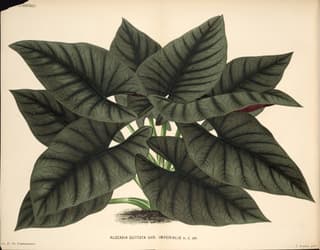
Vanilla palmarum is a climbing, epiphytic orchid of the family Orchidaceae, native from Cuba to southern Brazil, occurring across biomes such as the Amazon, Caatinga, Cerrado, Atlantic Forest and Pantanal. It grows twining over host palm trees (such as Syagrus and Attalea), from which it gets its common name. It has comparatively delicate stems, chlorophyllous aerial roots, large reticulated leaves, and pale yellow-green flowers borne in successive lateral racemes in spring. It is considered an endangered species across part of its range.
How to Propagate Palm Vanilla Orchid?
Stem cutting
Keep the cutting tied to a vertical support to mimic its natural climbing habit; avoid soggy substrate, which rots the nodes.
- 1 Cut a healthy stem segment with 2-3 nodes using clean, sharp shears
- 2 Let the cutting callus in a shaded, airy spot for 1 day
- 3 Secure the cutting into a moist, airy substrate or tie it to a support/host trunk
- 4 Keep humidity high and water once the substrate dries slightly
Materials needed:
How Big Does Palm Vanilla Orchid Grow?
TLDR: Palm Vanilla Orchid can reach up to 10.0m tall with Medium growth rate.
Max height
10.0m
Growth rate
Medium
Foliage
Evergreen
Plant Uses
Ornamental
Great for decoration
Edible
Can be consumed
Aromatic
Pleasant fragrance
Is your plant showing symptoms?
Click on the symptom to discover possible causes:
What Diseases Commonly Affect Palm Vanilla Orchid?
TLDR: Palm Vanilla Orchid is susceptible to 7 known diseases. Monitor regularly for early detection.
Root Rot
Root rot is a serious fungal disease that affects the root system of plants, causing them to decay and die. It is primarily caused by overwatering, poor drainage, or soil-borne fungi such as Pythium, Phytophthora, Rhizoctonia, and Fusarium. The disease thrives in waterlogged conditions where roots are deprived of oxygen, making them susceptible to fungal infection.
Fusarium Wilt
Fusarium wilt is a serious fungal disease caused by the soil-borne fungus Fusarium oxysporum. The fungus invades roots and blocks the water-conducting vessels (xylem) of the plant, causing progressive wilting and eventual death. Host-specific forms of the pathogen exist that attack different plant species.
Phytophthora Root Rot
Disease caused by fungus-like organisms (oomycetes) that live in soil and can survive for years. It affects roots, stem, and crown of plants, being especially severe in waterlogged or poorly drained soils. It is the second most common cause of root rot in trees and shrubs.
Anthracnose
Anthracnose is a fungal disease caused by fungi in the genus Colletotrichum that affects many plants, including vegetables, fruits, and trees. The disease thrives in cool, wet conditions, causing dark, sunken lesions on leaves, stems, flowers, and fruits.
Meaning & Symbolism
Symbolizes the partnership between the orchid and its host palm, representing resilience, adaptation, and the sweet reward hidden within the wild.
Fun Facts
The name "palmarum" refers to its close association with palm trees, which it uses as a support and host
Unlike commercial vanilla (Vanilla planifolia), its fruits are reported to be odorless
It is considered an endangered species across part of its natural range
Populations of this species tend to favor a single host palm species, which varies by biome
Frequently asked questions
Does Vanilla palmarum produce edible vanilla like Vanilla planifolia?
How do I replicate its natural habitat at home?
Is this orchid easy to grow?
Where does this species occur in the wild?
Compare with similar plants
| Attribute | Difficulty | Light | Watering | Pet Safe |
|---|---|---|---|---|
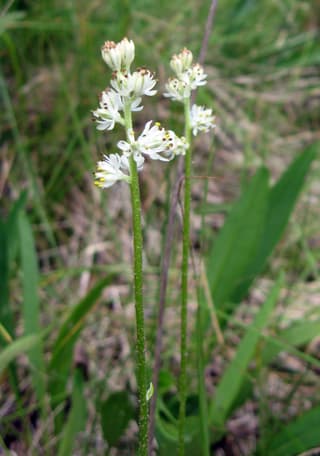
| Sticky false asphodel | Hard | Bright indirect | 1d | ✓ |
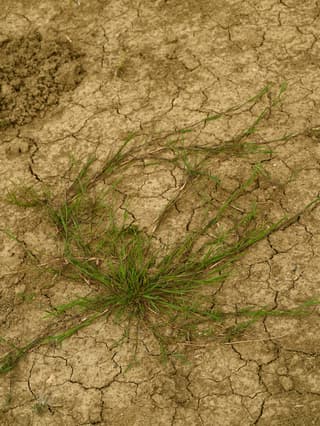
| Creeping bentgrass | Hard | Direct sun | 3d | ✓ |
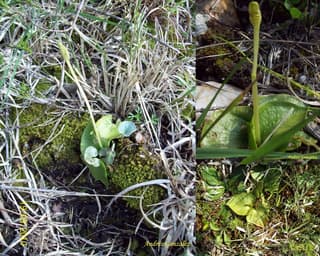
| Bulbous Adder's-tongue | Hard | Partial shade | 4d | ✓ |
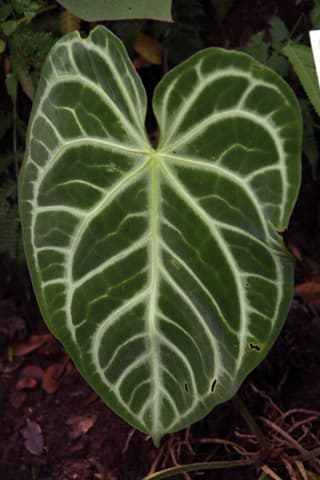
| Crystal Anthurium | Hard | Partial shade | 7d | ⚠️ |
Choose & Compare
Sources & References
- Vanilla palmarum Lindl. | Plants of the World Online | Kew Science
- Vanilla lindmaniana and V. palmarum (Orchidaceae) are distinct allopatric species
- Vanilla palmarum - IOSPE Photos
- Vanilla palmarum - Wikipedia PT
- Registrada nova especie de baunilha para a regiao do Oeste Goiano
- Vanilla Disease Management | agrownet
- Differential Responses of Vanilla Accessions to Root Rot and Fusarium oxysporum f. sp. radicis-vanillae
- Vanilla Orchid Care Guide