Betulaceae
Paper Birch (Betula papyrifera) Care Guide
Betula papyrifera
Give the paper birch full sun to light shade and consistently moist, well-drained, slightly acidic soil. Keep the root zone cool with a thick mulch layer and water deeply during dry spells, especially in the first two years after planting, since drought stress is the main trigger for serious pest problems.
Every 7 days
Bright indirect
-45° - 32°C
% - %
Categories
What is Paper Birch?
Paper Birch (Betula papyrifera) is a medium-care plant from the Betulaceae family. The paper birch is a fast-growing deciduous tree native to northern North America, prized for its brilliant white bark that peels away in thin, papery layers to reveal a warm orange-brown inner layer. Its bright green, oval leaves turn golden yellow in autumn, and slender brown catkins appear in spr...
Paper Birch grows up to 21.0m, spread of 1370cm, watering every 7 days, -45°C – 32°C. It is not suitable for indoor environments and safe for pets.
Unlike many popular species, Paper Birch is safe to keep around pets.
How to Care for Paper Birch?
TLDR: Paper Birch needs Bright indirect, watering every 7 days, and temperatures between -45-32°C with 40-70% humidity.
How Often Should You Water Paper Birch?
Water deeply once a week so the soil stays evenly moist like a wrung-out sponge, increasing frequency during hot, dry weather. Avoid letting the soil dry out completely, as moisture stress weakens the tree and invites bronze birch borer.
How Much Light Does Paper Birch Need?
Plant in full sun for the best bark color and fall foliage, though light afternoon shade is tolerated and even beneficial in warmer parts of its range.
What Is the Best Soil for Paper Birch?
Use cool, moist, well-drained soil with a slightly acidic to neutral pH. Amend heavy clay with compost and apply mulch to keep roots cool and retain moisture.
What Pot Should You Use for Paper Birch?
Best planted directly in the ground; only suitable for a large nursery container temporarily before transplanting, since it is not a long-term potted tree.
What Is Paper Birch and Where Does It Come From?
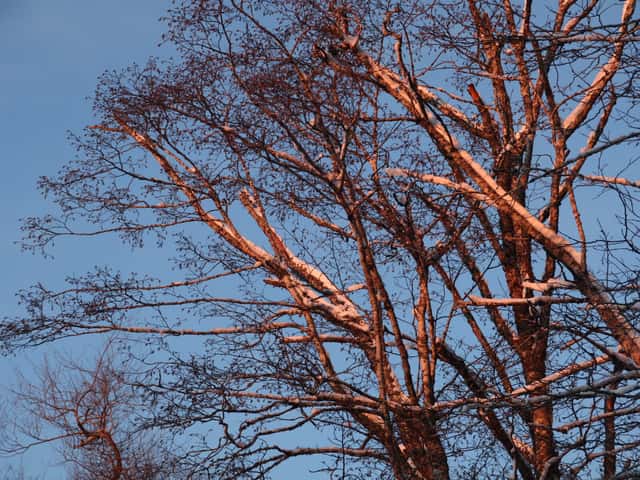
The paper birch is a fast-growing deciduous tree native to northern North America, prized for its brilliant white bark that peels away in thin, papery layers to reveal a warm orange-brown inner layer. Its bright green, oval leaves turn golden yellow in autumn, and slender brown catkins appear in spring. Reaching 15 to 21 meters at maturity, it makes a striking focal point in cold-climate gardens and naturalized woodland plantings.
How to Propagate Paper Birch?
Seed propagation
Seeds need light to germinate, so do not bury them, and expect uneven germination even with proper stratification.
- 1 Collect ripe catkins in late summer and let them dry to release the tiny seeds
- 2 Cold-stratify the seeds for 6 to 8 weeks in a moist medium in the refrigerator
- 3 Sow seeds on the soil surface in a seed tray, pressing lightly without covering
- 4 Keep consistently moist and in bright, indirect light until germination
Materials needed:
Softwood stem cutting
Cuttings from young seedlings root far more reliably than those from mature trees, and even then success rates stay modest.
- 1 Take semi-hardwood tip cuttings from young trees in early to midsummer
- 2 Dip the cut end in rooting hormone (IBA)
- 3 Insert into a well-draining rooting medium under intermittent mist
- 4 Keep humidity high until roots form, then gradually acclimate
Materials needed:
How Big Does Paper Birch Grow?
TLDR: Paper Birch can reach up to 21.0m tall with Fast growth rate.
Max height
21.0m
Spread
13.7m
Growth rate
Fast
Foliage
Deciduous
Plant Uses
Ornamental
Great for decoration
Medicinal Uses
- Inner bark traditionally used by Indigenous peoples as a mild astringent for minor wounds
Culinary Uses
- Sap tapped in early spring for birch syrup and birch water beverages
Is your plant showing symptoms?
Click on the symptom to discover possible causes:
What Diseases Commonly Affect Paper Birch?
TLDR: Paper Birch is susceptible to 7 known diseases. Monitor regularly for early detection.
Leaf Spot
Leaf spot is a common fungal disease caused by various pathogens including Alternaria, Ascochyta, Colletotrichum, Septoria, and Venturia. It primarily affects leaves, causing discolored spots that can lead to premature leaf drop if left untreated.
Canker
Canker is a disease caused by various fungi and bacteria that create necrotic, sunken areas on bark of branches, stems, and trunks. Pathogens enter through wounds and natural openings, especially when plants are stressed. Canker can gradually weaken or kill branches by disrupting water and nutrient flow.
Powdery Mildew
Powdery mildew is a common fungal disease caused by various fungi species including Erysiphe, Podosphaera, Oïdium, and Leveillula. It affects over 10,000 plant species worldwide. The disease thrives in warm, dry climates with high humidity and appears as a distinctive white powdery coating on plant surfaces.
Root Rot
Root rot is a serious fungal disease that affects the root system of plants, causing them to decay and die. It is primarily caused by overwatering, poor drainage, or soil-borne fungi such as Pythium, Phytophthora, Rhizoctonia, and Fusarium. The disease thrives in waterlogged conditions where roots are deprived of oxygen, making them susceptible to fungal infection.
Meaning & Symbolism
In many Indigenous North American cultures, the paper birch is revered as the source of bark for canoes, baskets, and writing material, and is often seen as a symbol of renewal, protection, and resilience through long winters.
Fun Facts
The papery white bark was used by Indigenous peoples of North America to build canoes, giving the tree its nickname "canoe birch."
Paper birch bark contains natural oils that make it waterproof and resistant to decay, historically used for waterproof containers and even torches.
It serves as a larval host plant for Eastern Tiger Swallowtail butterflies and several moth species.
The inner bark is edible and was ground into flour by Indigenous peoples during times of scarcity.
Frequently asked questions
How often should I water a paper birch?
Why is my paper birch bark not turning white?
Is the paper birch toxic to pets?
What is the biggest threat to a paper birch?
Can paper birch grow in warm climates?
Compare with similar plants
| Attribute | Difficulty | Light | Watering | Pet Safe |
|---|---|---|---|---|
| Dark Fieldcap | Medium | Low light | 2d | ⚠️ |
| Azalea | Medium | Partial shade | 3d | ⚠️ |
| Muriel's Bamboo | Medium | Partial shade | 3d | ✓ |
| Silver Birch | Easy | Direct sun | 14d | ✓ |
Choose & Compare
Sources & References
- Betula papyrifera - NC State Extension Plant Toolbox
- Paper Birch (Betula papyrifera) - How to Grow & Care Guide
- Paper Birch - Betula papyrifera | The UFOR Nursery & Lab
- Betula (Birch) - Pests and Diseases to Watch Out For
- Toxic and Non-Toxic Plant List - Cats | ASPCA
- How to Propagate Paper Birch (Betula papyrifera)
- Betula papyrifera Marsh - USDA Silvics Manual




