Lecythidaceae
Paradise Nut (Lecythis pisonis): The Remarkable Monkey Pot Tree from Brazil
Lecythis pisonis
Paradise Nut is a large outdoor tree requiring full sun, fertile well-drained soil, and ample space. It thrives in tropical conditions with heat and humidity. Growth is slow; young trees need regular watering and fertilizing to establish properly. Not suited for container growing or indoor cultivation.
Every 7 days
Direct sun
18° - 35°C
60% - 90%
Categories
What is Paradise Nut?
Paradise Nut (Lecythis pisonis) is a hard-care plant from the Lecythidaceae family. Lecythis pisonis, commonly known as the Paradise Nut or Monkey Pot, is a majestic tropical tree in the family Lecythidaceae, native to the Brazilian Atlantic Forest and Amazon rainforest. It is famous for its distinctive urn-shaped wooden fruit pods — the "monkey pots" — from which monkeys extract t...
Paradise Nut grows up to 40.0m, spread of 1500cm, watering every 7 days, 18°C – 35°C, 60–90% humidity. It is not suitable for indoor environments and safe for pets.
Unlike easy-care plants, Paradise Nut demands constant attention to humidity and light. Not recommended for beginners. Unlike many popular species, Paradise Nut is safe to keep around pets.
How to Care for Paradise Nut?
TLDR: Paradise Nut needs Direct sun, watering every 7 days, and temperatures between 18-35°C with 60-90% humidity.
How Often Should You Water Paradise Nut?
Water regularly, keeping soil moist but not waterlogged. Young trees need consistent moisture; established adults can tolerate moderate dry spells. Avoid waterlogging around the trunk base.
How Much Light Does Paradise Nut Need?
Plant in full sun — Paradise Nut cannot tolerate heavy shade. It needs at least 6 to 8 hours of direct sunlight daily for healthy growth and fruit production.
What Is the Best Soil for Paradise Nut?
Prefers fertile, organically rich, well-drained soil with a pH of 5.5 to 7.0. Amend planting hole with compost. Tolerates various soil textures from sandy to clay if drainage is adequate.
What Pot Should You Use for Paradise Nut?
Not suitable for container growing. Plant directly in the ground in an open area with ample space for root and canopy development.
Care Schedule
Fertilize
Every 90 days
What Is Paradise Nut and Where Does It Come From?
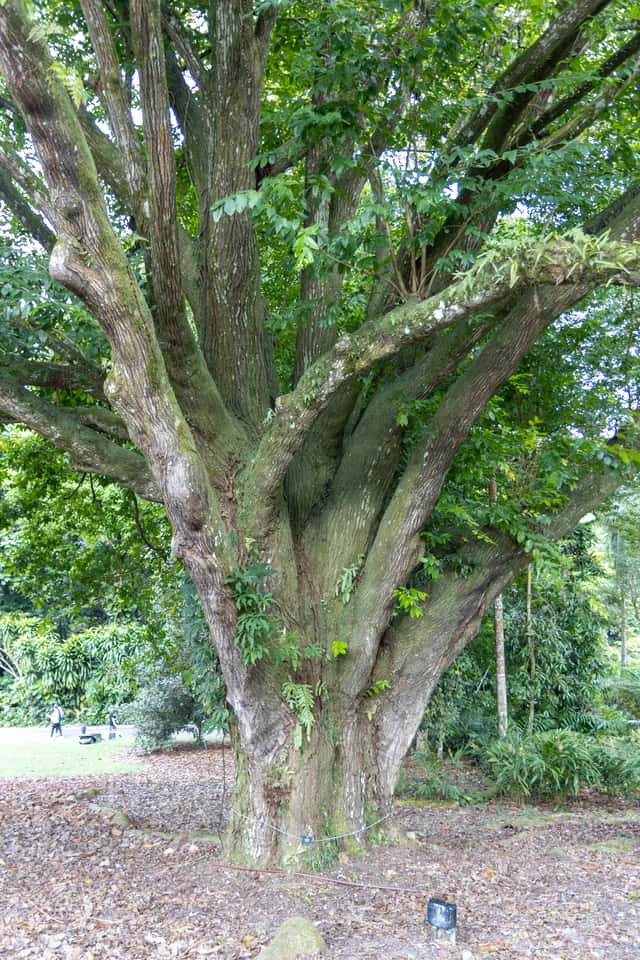
Lecythis pisonis, commonly known as the Paradise Nut or Monkey Pot, is a majestic tropical tree in the family Lecythidaceae, native to the Brazilian Atlantic Forest and Amazon rainforest. It is famous for its distinctive urn-shaped wooden fruit pods — the "monkey pots" — from which monkeys extract the edible seeds. The tree can reach up to 40 meters tall in forest conditions. Its seeds are similar to Brazil nuts but with a softer, creamier texture and milder flavor.
How to Propagate Paradise Nut?
Seed Sowing
Seeds must be sown immediately after collection as they lose viability rapidly. Keep substrate consistently moist without waterlogging.
- 1 Collect fresh ripe seeds directly from the fruit pod
- 2 Sow immediately as seeds lose viability quickly
- 3 Cover with 1 cm of sifted potting mix in individual containers
- 4 Place in partial shade and water twice daily
- 5 Germination occurs in 40-70 days
- 6 Transplant to permanent location when seedling reaches 30 cm
Materials needed:
How Big Does Paradise Nut Grow?
TLDR: Paradise Nut can reach up to 40.0m tall with Slow growth rate.
Max height
40.0m
Spread
15.0m
Growth rate
Slow
Foliage
Deciduous
Warning: Toxic Plant
This plant can be toxic if ingested. Keep out of reach of:
Plant Uses
Ornamental
Great for decoration
Edible
Can be consumed
Medicinal
Medicinal properties
Medicinal Uses
- Leaves and fruit shells used in folk medicine to treat inflammation and infections
- Leaf extracts have demonstrated antimicrobial potential in scientific studies
Culinary Uses
- Seeds eaten raw or roasted with a mild, creamy flavor superior to Brazil nuts
- Seed oil used in Amazonian regional cooking and food processing
Is your plant showing symptoms?
Click on the symptom to discover possible causes:
What Diseases Commonly Affect Paradise Nut?
TLDR: Paradise Nut is susceptible to 2 known diseases. Monitor regularly for early detection.
Leaf Spot
Leaf spot is a common fungal disease caused by various pathogens including Alternaria, Ascochyta, Colletotrichum, Septoria, and Venturia. It primarily affects leaves, causing discolored spots that can lead to premature leaf drop if left untreated.
Root Rot
Root rot is a serious fungal disease that affects the root system of plants, causing them to decay and die. It is primarily caused by overwatering, poor drainage, or soil-borne fungi such as Pythium, Phytophthora, Rhizoctonia, and Fusarium. The disease thrives in waterlogged conditions where roots are deprived of oxygen, making them susceptible to fungal infection.
Meaning & Symbolism
In Amazonian cultures, the sapucaia tree symbolizes abundance, generosity, and the richness of the rainforest. Its distinctive urn-shaped fruit pods are associated with fertility and the bounty of nature.
Fun Facts
The fruit pod has a natural lid that falls off when seeds ripen, attracting monkeys and other wildlife
Individual trees can produce around 80 kg of seeds per season
Considered by many to have a superior flavor to the Brazil nut — creamier and more delicate
Periconiella lecythidis is a fungus known to cause zonate leaf spot disease specifically on this species
Frequently asked questions
Can Paradise Nut be grown in a pot?
How long until the tree produces fruit?
Are the seeds safe to eat?
How often should I water it?
Does it need full sun?
Compare with similar plants
| Attribute | Difficulty | Light | Watering | Pet Safe |
|---|---|---|---|---|
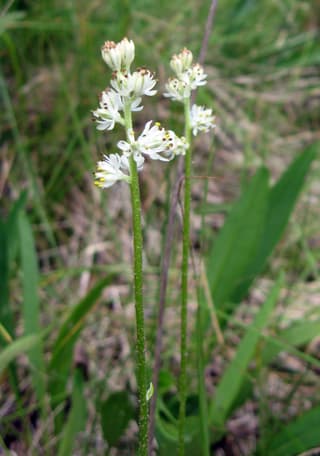
| Sticky false asphodel | Hard | Bright indirect | 1d | ✓ |
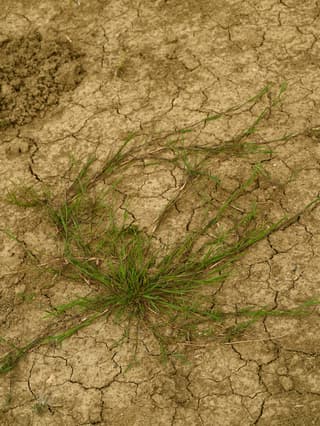
| Creeping bentgrass | Hard | Direct sun | 3d | ✓ |
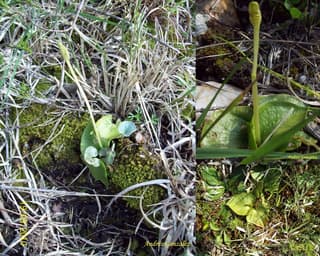
| Bulbous Adder's-tongue | Hard | Partial shade | 4d | ✓ |
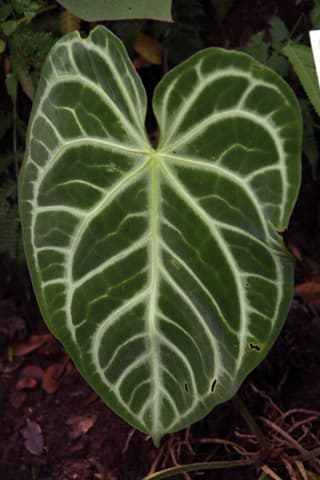
| Crystal Anthurium | Hard | Partial shade | 7d | ⚠️ |