Lamiaceae
Parrot's Beak: Medicinal Uses & Care Tips
Gmelina philippensis
A robust and fast-growing tropical plant adapted to hot and humid climates. It prefers full sun or partial shade and well-drained soil. Drought-tolerant once established, requiring moderate watering. Ideal for outdoor gardens in tropical and subtropical climates (USDA zones 9b–11b). It does not require intensive care and is considered non-toxic to humans and animals.
Every 7 days
Bright indirect
15° - 35°C
60% - 90%
Categories
What is Parrot's Beak?
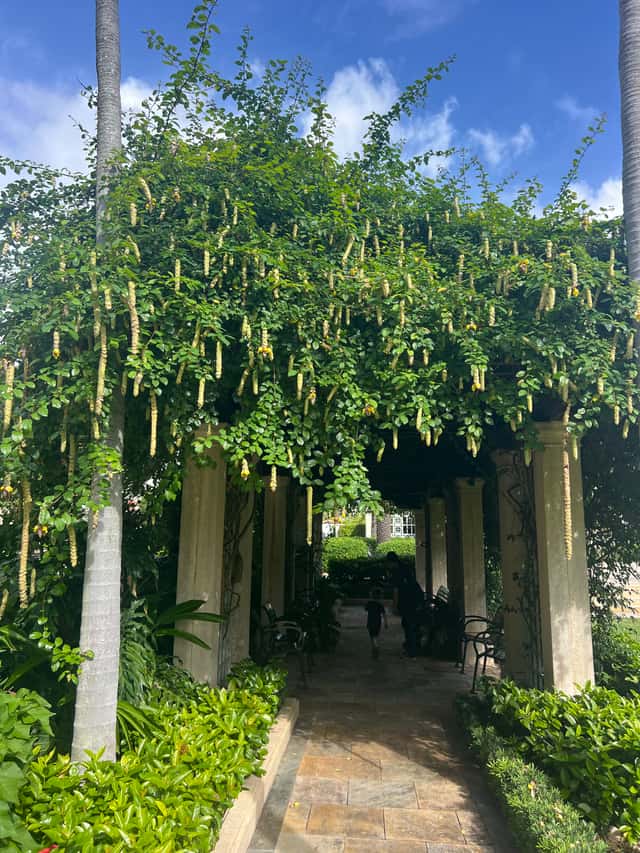
Parrot's Beak (Gmelina philippensis) is a easy-care plant from the Lamiaceae family. Gmelina philippensis, commonly known as Parrot's Beak or Philippine Gmelina, is a tropical shrub or small tree native to the Philippines, belonging to the Lamiaceae family. It can reach between 5 and 8 meters in height, with drooping, thorny branches that give it a unique appearance. Its bright yell...
Parrot's Beak grows up to 8.0m, spread of 300cm, watering every 7 days, 15°C – 35°C, 60–90% humidity. It is not suitable for indoor environments and safe for pets.
Unlike many tropical plants, Parrot's Beak tolerates watering mistakes. Best for beginners. Unlike many popular species, Parrot's Beak is safe to keep around pets.
How to Care for Parrot's Beak?
TLDR: Parrot's Beak needs Bright indirect, watering every 7 days, and temperatures between 15-35°C with 60-90% humidity.
How Often Should You Water Parrot's Beak?
Water when the top layer of soil begins to dry, on average every 7 days. Once established, the plant tolerates periods of drought. Avoid waterlogging—permanently wet soil promotes root rot. Reduce frequency during the colder months.
How Much Light Does Parrot's Beak Need?
Requires at least 6 hours of direct sun per day to bloom abundantly. It tolerates partial shade, but flowering may be reduced. It is a sun-loving plant—place it in the sunniest spot available in the garden.
What Is the Best Soil for Parrot's Beak?
Prefers well-drained soils rich in organic matter. It tolerates clay, sandy, and gravelly soils as long as there is good drainage. The ideal pH is between 6.0 and 7.5. When planting in a pot, use a high-quality substrate with added perlite to ensure water percolation.
What Pot Should You Use for Parrot's Beak?
As it is a large shrub (up to 8 m), it is best suited for outdoor garden cultivation. If grown in a pot, choose large containers (minimum 60 cm in diameter) with generous drainage holes. Terracotta pots help regulate substrate moisture.
Care Schedule
Fertilize
Every 30 days
Repot
Every 730 days
What Is Parrot's Beak and Where Does It Come From?
Gmelina philippensis, commonly known as Parrot's Beak or Philippine Gmelina, is a tropical shrub or small tree native to the Philippines, belonging to the Lamiaceae family. It can reach between 5 and 8 meters in height, with drooping, thorny branches that give it a unique appearance. Its bright yellow flowers, grouped in pendant inflorescences with overlapping reddish-brown bracts, resemble a parrot's beak—hence its common name. The leaves are oval, 5 to 10 cm long, dark green on the upper surface and light green on the lower. The fruit is small, pear-shaped, and contains a single seed. Widely cultivated as an ornamental in tropical and subtropical regions worldwide, it is also an important resource for pollinators such as butterflies and hummingbirds.
How to Propagate Parrot's Beak?
How Big Does Parrot's Beak Grow?
TLDR: Parrot's Beak can reach up to 8.0m tall with Fast growth rate.
Max height
8.0m
Spread
3.0m
Growth rate
Fast
Foliage
Evergreen
Plant Uses
Ornamental
Great for decoration
Medicinal
Medicinal properties
Medicinal Uses
- Fruit juice applied topically for foot eczema and as a leech repellent
- Fruit macerated with lime used as a poultice on the throat to treat coughs and irritation
- Root extract used internally as a stimulant and in the treatment of joint and nerve diseases
- Root juice used as a purgative and against fatigue
- Leaf extract applied externally for joint and nerve conditions
- Leaves with documented antioxidant and cholinesterase inhibitory activity in phytochemical studies (IC₅₀ AChE: 4.87 µg/mL)
Is your plant showing symptoms?
Click on the symptom to discover possible causes:
What Diseases Commonly Affect Parrot's Beak?
TLDR: Parrot's Beak is susceptible to 7 known diseases. Monitor regularly for early detection.
Powdery Mildew
Powdery mildew is a common fungal disease caused by various fungi species including Erysiphe, Podosphaera, Oïdium, and Leveillula. It affects over 10,000 plant species worldwide. The disease thrives in warm, dry climates with high humidity and appears as a distinctive white powdery coating on plant surfaces.
Root Rot
Root rot is a serious fungal disease that affects the root system of plants, causing them to decay and die. It is primarily caused by overwatering, poor drainage, or soil-borne fungi such as Pythium, Phytophthora, Rhizoctonia, and Fusarium. The disease thrives in waterlogged conditions where roots are deprived of oxygen, making them susceptible to fungal infection.
Aphids
Aphids are small, soft-bodied, pear-shaped insects (1/16 to 1/8 inch long) that feed by sucking nutrient-rich sap from plants. They reproduce rapidly and can quickly weaken plants, causing distorted growth and transmitting plant viruses. Aphids come in various colors including green, black, red, yellow, brown, and gray. They secrete honeydew, a sticky substance that attracts ants and encourages sooty mold growth.
Scale Insects
Scale insects are small sap-sucking pests that appear as brown, shell-like bumps on plant stems and leaves. There are over 25 species, divided into armored (hard) and unarmored (soft) scales. They feed by piercing plant tissue and extracting sap, which weakens the plant and can lead to yellowing, stunted growth, and even death if left untreated. They also excrete honeydew, which attracts ants and promotes sooty mold growth.
Compare with similar plants
| Attribute | Difficulty | Light | Watering | Pet Safe |
|---|---|---|---|---|
| Field Maple | Easy | Bright indirect | 14d | ✓ |
| Silver Birch | Easy | Direct sun | 14d | ✓ |
| Common Blanketflower | Easy | Direct sun | 10d | ✓ |
| Cushion Bush | Easy | Direct sun | 14d | ✓ |





