Campanulaceae
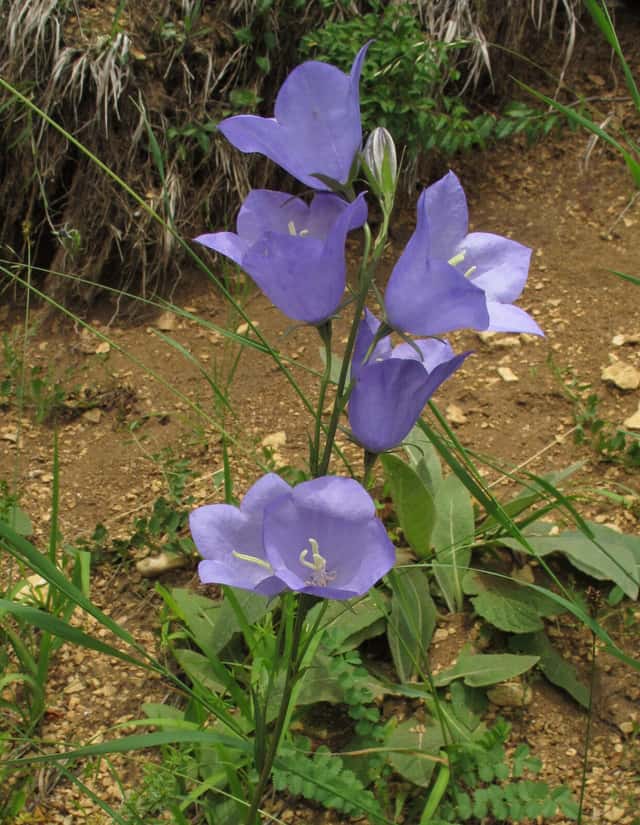
Peach-leaved Bellflower (Campanula persicifolia)
Campanula persicifolia
Grow in full sun to part shade in fertile, well-drained soil that stays evenly moist. Water when the top inch of soil dries out, feed lightly once in early spring, and deadhead spent flowers to prolong bloom. Divide clumps every 3-4 years to keep plants vigorous.
Every 7 days
Bright indirect
° - °C
% - %
Categories
What is Peach-leaved Bellflower?
Peach-leaved Bellflower (Campanula persicifolia) is a easy-care plant from the Campanulaceae family. Campanula persicifolia, the peach-leaved bellflower, is a hardy herbaceous perennial native to the alpine and woodland regions of Europe. It forms low rosettes of narrow, peach-tree-like leaves and sends up slender, upright stems bearing open, bell-shaped flowers in shades of blue-violet or white fr...
Peach-leaved Bellflower grows up to 90cm, spread of 45cm, watering every 7 days. It is not suitable for indoor environments and safe for pets.
Unlike many tropical plants, Peach-leaved Bellflower tolerates watering mistakes. Best for beginners. Unlike many popular species, Peach-leaved Bellflower is safe to keep around pets.
How to Care for Peach-leaved Bellflower?
TLDR: Peach-leaved Bellflower needs Bright indirect, watering every 7 days, and temperatures between 15-30°C with 40-70% humidity.
How Often Should You Water Peach-leaved Bellflower?
Keep soil consistently moist but never waterlogged; water deeply about once a week, more often during hot, dry spells, and let the top inch dry between waterings to prevent crown and root rot.
How Much Light Does Peach-leaved Bellflower Need?
Best flowering occurs in full sun, but plants tolerate and often appreciate partial shade in hot climates.
What Is the Best Soil for Peach-leaved Bellflower?
Plant in fertile, well-drained soil enriched with compost; it tolerates sandy, loamy, or chalky soils but prefers a slightly alkaline pH.
What Pot Should You Use for Peach-leaved Bellflower?
A container with ample drainage holes, at least 25-30 cm wide, filled with a well-draining, humus-rich potting mix works well if growing in pots; unglazed terracotta helps prevent waterlogging.
Care Schedule
Fertilize
Every 365 days
What Is Peach-leaved Bellflower and Where Does It Come From?
Campanula persicifolia, the peach-leaved bellflower, is a hardy herbaceous perennial native to the alpine and woodland regions of Europe. It forms low rosettes of narrow, peach-tree-like leaves and sends up slender, upright stems bearing open, bell-shaped flowers in shades of blue-violet or white from early to midsummer. Easy to grow and largely untroubled by pests or disease, it is a cottage-garden classic prized for borders, rock gardens, and cut-flower arrangements.
How to Propagate Peach-leaved Bellflower?
Division
Divide every 3-4 years to rejuvenate clumps and prevent overcrowding.
- 1 Dig up an established clump in early spring or fall.
- 2 Gently separate the root ball into sections, each with several shoots and healthy roots.
- 3 Replant divisions immediately at the same depth in prepared, well-drained soil.
- 4 Water thoroughly and keep evenly moist until new growth appears.
Materials needed:
Seed sowing
Campanula persicifolia often self-sows readily once established in the garden.
- 1 Sow seeds indoors 8-10 weeks before the last frost, pressing them onto the soil surface without covering.
- 2 Keep the soil moist and at around 18-21C until germination.
- 3 Transplant seedlings outdoors after hardening off, once frost danger has passed.
- 4 Plants grown from seed typically flower in their second year.
Materials needed:
How Big Does Peach-leaved Bellflower Grow?
TLDR: Peach-leaved Bellflower can reach up to 90cm tall with Medium growth rate.
Max height
90cm
Spread
45cm
Growth rate
Medium
Foliage
Deciduous
Plant Uses
Ornamental
Great for decoration
Is your plant showing symptoms?
Click on the symptom to discover possible causes:
What Diseases Commonly Affect Peach-leaved Bellflower?
TLDR: Peach-leaved Bellflower is susceptible to 4 known diseases. Monitor regularly for early detection.
Aphids
Aphids are small, soft-bodied, pear-shaped insects (1/16 to 1/8 inch long) that feed by sucking nutrient-rich sap from plants. They reproduce rapidly and can quickly weaken plants, causing distorted growth and transmitting plant viruses. Aphids come in various colors including green, black, red, yellow, brown, and gray. They secrete honeydew, a sticky substance that attracts ants and encourages sooty mold growth.
Slugs and Snails
Slugs and snails are mollusks that feed on plant tissue, causing irregular holes in leaves and damage to young seedlings. They are most active at night and in moist conditions, leaving characteristic silvery slime trails. These pests can quickly devastate gardens, especially during wet seasons.
Rust
Rust is a common fungal disease caused by fungi in the order Pucciniales that affects a wide variety of plants. The disease gets its name from the characteristic orange, yellow, or reddish-brown pustules that appear on leaves, resembling metal rust. This obligate fungal parasite requires living plants to survive and can cause significant economic losses in agricultural crops.
Crown Rot
Crown rot is a serious fungal disease that attacks the crown (base) of the plant where the stem meets the soil. It is caused by various fungal pathogens including Phytophthora, Fusarium, and Rhizoctonia. The disease thrives in waterlogged conditions and can quickly spread to kill the entire plant if not addressed promptly.
Meaning & Symbolism
Gratitude, humility, and everlasting love; Victorians gave campanula blooms to say "I appreciate you."
Fun Facts
The genus name Campanula comes from the Latin campana, meaning "little bell," describing the flower shape.
Its species name persicifolia refers to its narrow leaves, which resemble those of the peach tree (Prunus persica).
It readily self-sows in favorable garden conditions and can naturalize in cottage-style borders.
In Victorian flower language, giving someone a campanula bloom meant "I appreciate you."
Frequently asked questions
Is Campanula persicifolia toxic to cats or dogs?
How often should I water peach-leaved bellflower?
Does peach-leaved bellflower need full sun?
How do I keep Campanula persicifolia blooming longer?
How often does Campanula persicifolia need dividing?
Compare with similar plants
| Attribute | Difficulty | Light | Watering | Pet Safe |
|---|---|---|---|---|
| Field Maple | Easy | Bright indirect | 14d | ✓ |
| Silver Birch | Easy | Direct sun | 14d | ✓ |
| Common Blanketflower | Easy | Direct sun | 10d | ✓ |
| Cushion Bush | Easy | Direct sun | 14d | ✓ |
Choose & Compare
Sources & References
- Campanula persicifolia (Peach-Leaved Bellflower) - Gardenia.net
- How to Grow Campanula - White Flower Farm
- Campanula: A Growing Guide for Bellflower Plant - Garden Design
- Campanula persicifolia - Missouri Botanical Garden Plant Finder
- Bellflower (Campanula) Meaning: Symbolism Of Gratitude & Fairy Folklore
- Production Tips For Top Performers: Campanula Persicifolia - Greenhouse Grower





