Rosaceae
Peking Cotoneaster Care Guide
Cotoneaster acutifolius
An easy, low maintenance shrub that thrives in full sun to part shade with well draining soil. Water regularly while establishing, then only during dry spells once mature. Prune after flowering to maintain shape and remove fireblight affected wood promptly.
Every 7 days
Bright indirect
-20° - 35°C
% - %
Categories
What is Peking Cotoneaster?
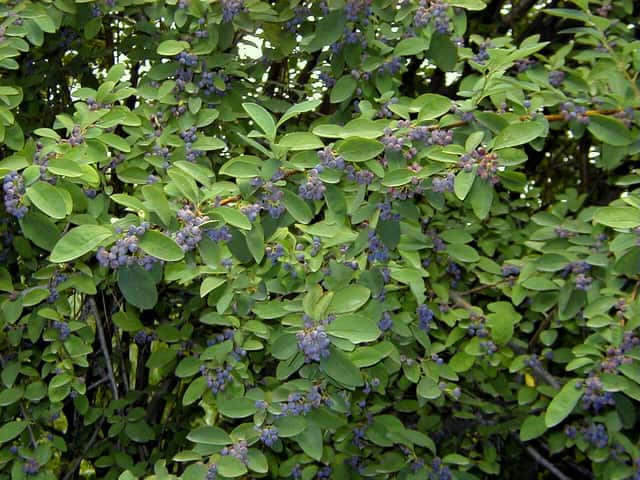
Peking Cotoneaster (Cotoneaster acutifolius) is a easy-care plant from the Rosaceae family. Peking cotoneaster is a hardy deciduous shrub native to Siberia, Mongolia, and China, valued for its dense upright habit, glossy dark green leaves, and clusters of small white flowers tinged with pink in late spring. Its dark red to black berries persist into winter, offering food for birds and orna...
Peking Cotoneaster grows up to 4.0m, spread of 300cm, watering every 7 days, -20°C – 35°C. It is not suitable for indoor environments and not safe for pets.
Unlike many tropical plants, Peking Cotoneaster tolerates watering mistakes. Best for beginners. Without precautions, ingestion can cause irritation in pets. Keep out of reach of cats and dogs.
How to Care for Peking Cotoneaster?
TLDR: Peking Cotoneaster needs Bright indirect, watering every 7 days, and temperatures between -20-35°C with 40-70% humidity.
How Often Should You Water Peking Cotoneaster?
Water deeply and regularly during the first growing season. Afterward, let the soil dry between waterings and rely mostly on rainfall except during prolonged drought.
How Much Light Does Peking Cotoneaster Need?
Provide full sun for the best flowering and berry production, though the shrub tolerates partial shade.
What Is the Best Soil for Peking Cotoneaster?
Plant in well draining, loamy soil and avoid waterlogged sites, since wet soil promotes root rot and fireblight.
What Is Peking Cotoneaster and Where Does It Come From?
Peking cotoneaster is a hardy deciduous shrub native to Siberia, Mongolia, and China, valued for its dense upright habit, glossy dark green leaves, and clusters of small white flowers tinged with pink in late spring. Its dark red to black berries persist into winter, offering food for birds and ornamental interest in the landscape.
How to Propagate Peking Cotoneaster?
Semi-hardwood stem cuttings
Keep cuttings in bright, indirect light and consistently moist substrate until new growth confirms rooting.
- 1 Take a 10-15 cm semi-hardwood cutting from a healthy side shoot in mid to late summer
- 2 Remove the lower leaves and dip the cut end in rooting hormone
- 3 Insert into a well draining potting mix and keep humid until roots form
Materials needed:
Seed sowing
Germination is slow and irregular; cuttings are the more reliable propagation method.
- 1 Collect ripe berries in autumn and remove the pulp
- 2 Cold stratify the cleaned seeds for 3 to 4 months
- 3 Sow in a seed tray with well draining soil in early spring
Materials needed:
How Big Does Peking Cotoneaster Grow?
TLDR: Peking Cotoneaster can reach up to 4.0m tall with Medium growth rate.
Max height
4.0m
Spread
3.0m
Growth rate
Medium
Foliage
Deciduous
Warning: Toxic Plant
This plant can be toxic if ingested. Keep out of reach of:
Plant Uses
Ornamental
Great for decoration
Is your plant showing symptoms?
Click on the symptom to discover possible causes:
What Diseases Commonly Affect Peking Cotoneaster?
TLDR: Peking Cotoneaster is susceptible to 4 known diseases. Monitor regularly for early detection.
Fire Blight
Fire blight is a highly destructive and contagious bacterial disease caused by Erwinia amylovora. It primarily affects plants in the Rosaceae family, including apple, pear, quince trees, and various ornamental plants. The disease can destroy an entire orchard in a single growing season under ideal conditions, with the bacterium moving approximately 11 inches per week in new growth.
Leaf Spot
Leaf spot is a common fungal disease caused by various pathogens including Alternaria, Ascochyta, Colletotrichum, Septoria, and Venturia. It primarily affects leaves, causing discolored spots that can lead to premature leaf drop if left untreated.
Canker
Canker is a disease caused by various fungi and bacteria that create necrotic, sunken areas on bark of branches, stems, and trunks. Pathogens enter through wounds and natural openings, especially when plants are stressed. Canker can gradually weaken or kill branches by disrupting water and nutrient flow.
Spider Mites
Spider mites are tiny arachnids (less than 1/20 inch long) related to spiders and ticks that feed on plant sap. They thrive in hot, dry conditions and can cause significant damage to ornamental and vegetable plants. During severe infestations, crop losses can reach 14% or higher as these pests disrupt vital plant processes including photosynthesis, carbon dioxide absorption, and transpiration.
Meaning & Symbolism
In western gardens, cotoneaster is often linked to resilience and protection, thanks to its toughness and dense, thorny growth used in hedging.
Fun Facts
Its dark berries often persist on the branches well into winter, providing food for birds when other sources are scarce.
The species name acutifolius means sharp leaved, referring to its pointed leaf tips.
Some botanists treat it as synonymous with Cotoneaster lucidus, the shiny cotoneaster.
Frequently asked questions
How much light does Peking cotoneaster need?
Is Peking cotoneaster toxic?
What diseases affect Peking cotoneaster?
How often should I water Peking cotoneaster?
Compare with similar plants
| Attribute | Difficulty | Light | Watering | Pet Safe |
|---|---|---|---|---|
| Field Maple | Easy | Bright indirect | 14d | ✓ |
| Silver Birch | Easy | Direct sun | 14d | ✓ |
| Common Blanketflower | Easy | Direct sun | 10d | ✓ |
| Cushion Bush | Easy | Direct sun | 14d | ✓ |





