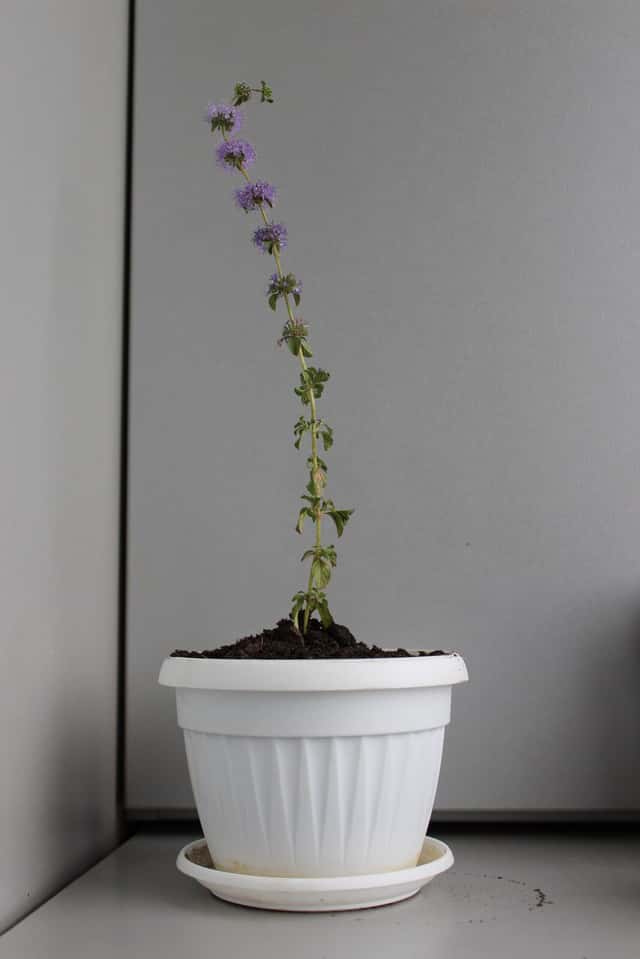
Lamiaceae
Pennyroyal (Mentha pulegium)
Mentha pulegium
Grows best in full sun to partial shade with consistently moist, well-drained soil. Easy to grow in containers, herb gardens, or as a low ground cover. Benefits from an annual prune to keep growth compact.
Every 4 days
Bright indirect
15° - 26°C
50% - 70%
Categories
What is Pennyroyal?
Pennyroyal (Mentha pulegium) is a easy-care plant from the Lamiaceae family. Pennyroyal (Mentha pulegium) is a fast-growing, low, mat-forming perennial herb in the mint family (Lamiaceae), native to the Mediterranean region, Europe, and North Africa. It bears small, aromatic mint-scented leaves and dense whorls of tiny lilac-purple flowers in summer. Caution: it contains pul...
Pennyroyal grows up to 40cm, spread of 60cm, watering every 4 days, 15°C – 26°C, 50–70% humidity. It is suitable for indoor environments and not safe for pets.
Unlike many tropical plants, Pennyroyal tolerates watering mistakes. Best for beginners. Without precautions, ingestion can cause irritation in pets. Keep out of reach of cats and dogs. Without adequate drainage, root rot can develop within 8 days.
How to Care for Pennyroyal?
TLDR: Pennyroyal needs Bright indirect, watering every 4 days, and temperatures between 15-26°C with 50-70% humidity.
How Often Should You Water Pennyroyal?
Water every 3-4 days, keeping soil evenly moist but never waterlogged. Avoid wetting the foliage to reduce fungal disease risk.
How Much Light Does Pennyroyal Need?
Needs at least 6 hours of direct or bright indirect sunlight daily. In hot climates, afternoon shade helps prevent stress.
What Is the Best Soil for Pennyroyal?
Loamy soil rich in organic matter, well-draining, pH 6.5-7.5.
What Pot Should You Use for Pennyroyal?
Terracotta or plastic pot with drainage holes, at least 20cm (8in) in diameter.
Care Schedule
Fertilize
Every 60 days
Repot
Every 365 days
What Is Pennyroyal and Where Does It Come From?
Pennyroyal (Mentha pulegium) is a fast-growing, low, mat-forming perennial herb in the mint family (Lamiaceae), native to the Mediterranean region, Europe, and North Africa. It bears small, aromatic mint-scented leaves and dense whorls of tiny lilac-purple flowers in summer. Caution: it contains pulegone, a compound that is highly toxic in concentrated (essential oil) form — it should never be ingested, especially by pregnant people, children, or pets.
How to Propagate Pennyroyal?
Stem cutting
Change the water every 2-3 days if rooting in water. Transplant to soil once roots reach 2-3cm.
- 1 Cut a healthy 10cm stem with at least 2 nodes
- 2 Remove leaves from the lower half
- 3 Place in water or moist substrate
- 4 Keep in bright indirect light until roots form
Materials needed:
Clump division
Best for established plants over a year old. Divide in early spring.
- 1 Remove the parent plant from its pot or bed
- 2 Divide the root mass into sections with roots and stems
- 3 Replant each section separately
- 4 Water thoroughly after replanting
Materials needed:
How Big Does Pennyroyal Grow?
TLDR: Pennyroyal can reach up to 40cm tall with Fast growth rate.
Max height
40cm
Spread
60cm
Growth rate
Fast
Foliage
Deciduous
Warning: Toxic Plant
This plant can be toxic if ingested. Keep out of reach of:
Plant Uses
Aromatic
Pleasant fragrance
Medicinal
Medicinal properties
Ground Cover
Soil coverage
Edible
Can be consumed
Medicinal Uses
- Traditional folk use in herbal teas for digestion (use with caution due to toxicity)
- Natural insect repellent
Culinary Uses
- Historically used in small amounts to flavor lamb and tripe in Italian cuisine (menta romana) — use with extreme caution due to toxicity
Is your plant showing symptoms?
Click on the symptom to discover possible causes:
What Diseases Commonly Affect Pennyroyal?
TLDR: Pennyroyal is susceptible to 5 known diseases. Monitor regularly for early detection.
Root Rot
Root rot is a serious fungal disease that affects the root system of plants, causing them to decay and die. It is primarily caused by overwatering, poor drainage, or soil-borne fungi such as Pythium, Phytophthora, Rhizoctonia, and Fusarium. The disease thrives in waterlogged conditions where roots are deprived of oxygen, making them susceptible to fungal infection.
Rust
Rust is a common fungal disease caused by fungi in the order Pucciniales that affects a wide variety of plants. The disease gets its name from the characteristic orange, yellow, or reddish-brown pustules that appear on leaves, resembling metal rust. This obligate fungal parasite requires living plants to survive and can cause significant economic losses in agricultural crops.
Powdery Mildew
Powdery mildew is a common fungal disease caused by various fungi species including Erysiphe, Podosphaera, Oïdium, and Leveillula. It affects over 10,000 plant species worldwide. The disease thrives in warm, dry climates with high humidity and appears as a distinctive white powdery coating on plant surfaces.
Damping Off
Damping off is a soil-borne fungal disease that affects seeds and young seedlings, causing rotting of stem and root tissues at and below the soil line. It is caused by several fungi including Pythium, Rhizoctonia, Fusarium, and Phytophthora. The disease thrives in cold, wet conditions with poor air circulation.
Meaning & Symbolism
Historically associated with protection and purification; used since antiquity as a natural insect repellent and folk medicinal herb.
Fun Facts
Pennyroyal has been used for centuries as a natural insect repellent, earning it the nickname "mosquito plant".
In traditional Italian cuisine, pennyroyal leaves were used to season meats like lamb and tripe.
Despite its popularity in folk teas, pennyroyal essential oil is highly toxic even in small doses.
Frequently asked questions
Is pennyroyal toxic?
How often should I water pennyroyal?
Can pennyroyal be grown in a pot?
How do I propagate pennyroyal?
Compare with similar plants
| Attribute | Difficulty | Light | Watering | Pet Safe |
|---|---|---|---|---|
| Field Maple | Easy | Bright indirect | 14d | ✓ |
| Silver Birch | Easy | Direct sun | 14d | ✓ |
| Common Blanketflower | Easy | Direct sun | 10d | ✓ |
| Cushion Bush | Easy | Direct sun | 14d | ✓ |





