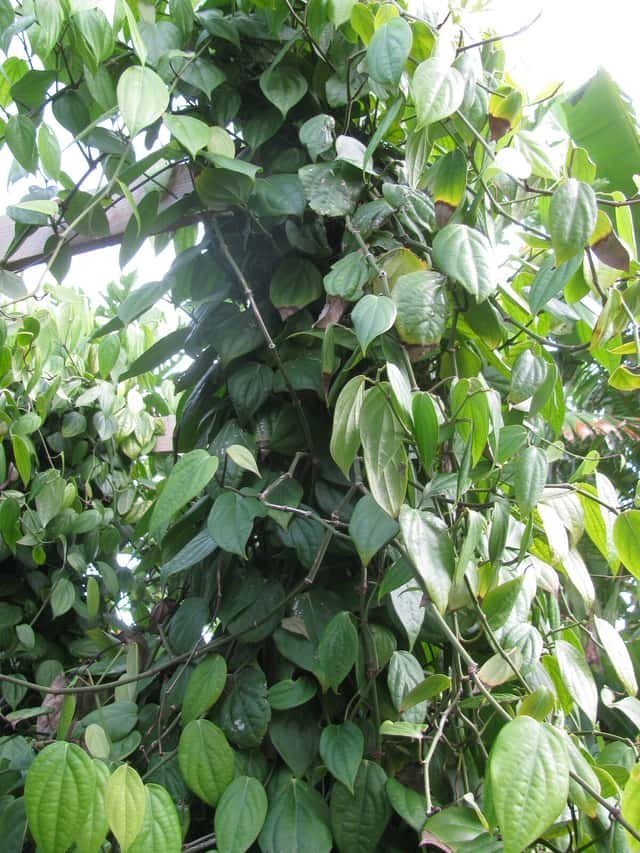
Piperaceae
Pepper Plants (Piper): genus guide
Piper
It likes warmth, humidity and bright light without harsh sun. In a pot, water when the soil starts to dry and protect from cold and dry air. Check the needs of your own species, as they vary widely within the genus.
Every 7 days
Partial shade
18° - 32°C
40% - 60%
Categories
What is Pepper Plants?
Pepper Plants (Piper) is a medium-care plant from the Piperaceae family. Piper is a tropical genus in the family Piperaceae, with over a thousand species of herbs, shrubs and climbers. It gives us black pepper, long pepper, betel and kava. Most species live in the understory of lowland tropical forests and carry tiny flowers in slim spikes. Do not confuse it with chili a...
Pepper Plants grows up to watering every 7 days, 18°C – 32°C, 40–60% humidity. It is suitable for indoor environments and safe for pets.
Unlike many popular species, Pepper Plants is safe to keep around pets. Without adequate drainage, root rot can develop within 14 days.
How to Care for Pepper Plants?
TLDR: Pepper Plants needs Partial shade, watering every 7 days, and temperatures between 18-32°C with 40-60% humidity.
How Often Should You Water Pepper Plants?
Water when the top of the mix is slightly dry, usually about once a week. Avoid waterlogging, as standing water rots the roots.
How Much Light Does Pepper Plants Need?
Bright, indirect light. Direct sun can scorch the leaves, and low light makes the plant leggy and dull.
What Is the Best Soil for Pepper Plants?
Well-draining, nutrient-rich mix high in organic matter.
What Pot Should You Use for Pepper Plants?
A pot with drainage holes, changed every 2 to 3 years for one only slightly larger, when roots show at the holes. Climbers need a support.
Care Schedule
Repot
Every 730 days
What Is Pepper Plants and Where Does It Come From?
Piper is a tropical genus in the family Piperaceae, with over a thousand species of herbs, shrubs and climbers. It gives us black pepper, long pepper, betel and kava. Most species live in the understory of lowland tropical forests and carry tiny flowers in slim spikes. Do not confuse it with chili and bell peppers, which belong to Capsicum.
How to Propagate Pepper Plants?
Stem cutting
Do this in spring or summer, the growing season. For crop species, plant cuttings at the start of the rainy season.
- 1 Cut a healthy piece of stem with leaves
- 2 Remove the lower leaves
- 3 Place in moist mix
- 4 Pot on once roots form
Materials needed:
How Big Does Pepper Plants Grow?
TLDR: Pepper Plants can reach up to ?cm tall with Medium growth rate.
Foliage
Evergreen
Plant Uses
Ornamental
Great for decoration
Edible
Can be consumed
Medicinal
Medicinal properties
Aromatic
Pleasant fragrance
Medicinal Uses
- Traditional herbal use of several species, such as long pepper in Ayurveda
Culinary Uses
- Fruit as a spice, such as black pepper, long pepper and cubeb
- Leaves in cooking, such as hoja santa in Mexico and lolot in Southeast Asia
Is your plant showing symptoms?
Click on the symptom to discover possible causes:
What Diseases Commonly Affect Pepper Plants?
TLDR: Pepper Plants is susceptible to 9 known diseases. Monitor regularly for early detection.
Phytophthora Root Rot
The Phytophthora genus consists of soil-borne oomycetes (water molds) that act as plant pathogens, primarily affecting trees and woody plants. It typically spreads through the root system, leading to systemic decline and eventual plant collapse.
Anthracnose
Anthracnose is a fungal disease caused by fungi in the genus Colletotrichum that affects many plants, including vegetables, fruits, and trees. The disease thrives in cool, wet conditions, causing dark, sunken lesions on leaves, stems, flowers, and fruits.
Root Rot
Root rot is a serious fungal disease that affects the root system of plants, causing them to decay and die. It is primarily caused by overwatering, poor drainage, or soil-borne fungi such as Pythium, Phytophthora, Rhizoctonia, and Fusarium. The disease thrives in waterlogged conditions where roots are deprived of oxygen, making them susceptible to fungal infection.
Aphids
Aphids are small, soft-bodied, pear-shaped insects (1/16 to 1/8 inch long) that feed by sucking nutrient-rich sap from plants. They reproduce rapidly and can quickly weaken plants, causing distorted growth and transmitting plant viruses. Aphids come in various colors including green, black, red, yellow, brown, and gray. They secrete honeydew, a sticky substance that attracts ants and encourages sooty mold growth.
Fun Facts
The name Piper comes from the Sanskrit pippali, meaning long pepper
Pepper remains about 9,000 years old have been found in Thailand
Some species live in partnership with ants
Green, black and white pepper all come from the same plant
Frequently asked questions
Is Piper the same as chili pepper?
Can Piper grow indoors?
Is Piper toxic to pets?
What pests affect Piper?
Compare with similar plants
| Attribute | Difficulty | Light | Watering | Pet Safe |
|---|---|---|---|---|
| Dark Fieldcap | Medium | Low light | 2d | ⚠️ |
| Azalea | Medium | Partial shade | 3d | ⚠️ |
| Muriel's Bamboo | Medium | Partial shade | 3d | ✓ |
| Bougainvillea | Medium | Direct sun | 7d | ⚠️ |




