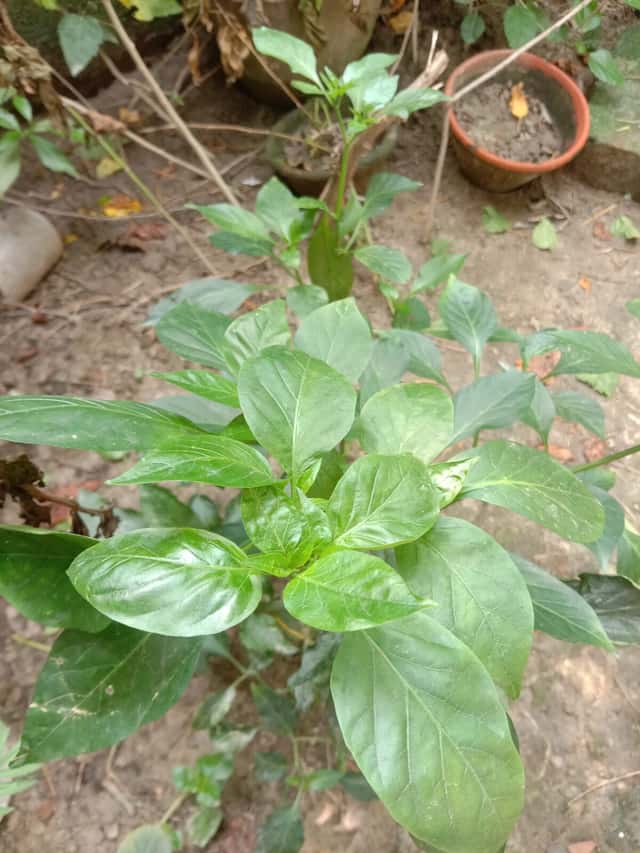
Solanaceae
Capsicum (Peppers & Chili Peppers)
Capsicum
Give Capsicum full sun, warmth, and steady moisture. Plant out only after nighttime lows stay above 15C (60F), water deeply and consistently to prevent blossom-end rot and flower drop, and feed lightly with a low-nitrogen fertilizer to encourage fruiting over leafy growth. Watch for aphids, thrips, and whiteflies, and avoid wetting the foliage to reduce fungal and bacterial disease risk.
Every 3 days
Direct sun
10° - 32°C
40% - 70%
Categories
What is Peppers & Chili Peppers?
Peppers & Chili Peppers (Capsicum) is a medium-care plant from the Solanaceae family. Capsicum is a genus of warm-season, frost-tender flowering plants in the nightshade family (Solanaceae), native to tropical Central and South America and cultivated worldwide for their edible fruits. The genus spans everything from mild sweet peppers and bell peppers to fiery hot chilies like jalape...
Peppers & Chili Peppers grows up to 1.5m, spread of 60cm, watering every 3 days, 10°C – 32°C, 40–70% humidity. It is suitable for indoor environments and not safe for pets.
Without precautions, ingestion can cause irritation in pets. Keep out of reach of cats and dogs. Without adequate drainage, root rot can develop within 7 days.
How to Care for Peppers & Chili Peppers?
TLDR: Peppers & Chili Peppers needs Direct sun, watering every 3 days, and temperatures between 10-32°C with 40-70% humidity.
How Often Should You Water Peppers & Chili Peppers?
Water deeply whenever the top 2-3 cm of soil is dry, aiming for roughly 2.5 cm of water per week. Keep moisture consistent - drought stress followed by heavy watering causes blossom-end rot and split fruit. Water at the base and avoid overhead watering.
How Much Light Does Peppers & Chili Peppers Need?
Peppers need full sun: at least 6-8 hours of direct light outdoors daily, or 12-14 hours under grow lights indoors. Low light causes leggy stems, poor flowering, and fewer fruits.
What Is the Best Soil for Peppers & Chili Peppers?
Use a rich, well-draining, slightly acidic to neutral soil (pH 6.0-7.0) with plenty of organic matter. A loose sandy loam amended with compost or well-rotted manure gives the best combination of drainage and fertility; avoid heavy, waterlogged soils that promote root rot and phytophthora blight.
What Pot Should You Use for Peppers & Chili Peppers?
A 20-30 L (5-8 gal) container at least 30 cm deep, with generous drainage holes, suits container-grown peppers; terracotta helps prevent waterlogging.
Care Schedule
Fertilize
Every 14 days
Rotate
Every 14 days
Repot
Every 365 days
What Is Peppers & Chili Peppers and Where Does It Come From?
Capsicum is a genus of warm-season, frost-tender flowering plants in the nightshade family (Solanaceae), native to tropical Central and South America and cultivated worldwide for their edible fruits. The genus spans everything from mild sweet peppers and bell peppers to fiery hot chilies like jalapeno, habanero, and ghost pepper - all sharing the same basic growth habit: a bushy, woody-based shrub or subshrub with simple oval leaves, star-shaped white (occasionally purple) flowers, and hollow, seed-filled fruits that ripen from green through yellow, orange, red, or purple. Grown as annuals in temperate climates and as short-lived perennials in the tropics, peppers thrive with full sun, warm days, consistently moist well-draining soil, and protection from frost.
How to Propagate Peppers & Chili Peppers?
Growing from seed
Peppers germinate slowly and somewhat erratically; steady warmth matters more than fertilizer at this stage. Transplanting too early into cold soil stunts growth for the rest of the season.
- 1 Sow seeds 6-8 weeks before the last frost, about 0.5 cm deep in a seed-starting mix.
- 2 Keep soil consistently moist and around 24-29C (75-85F), using a heat mat if needed.
- 3 Provide bright light as soon as seedlings emerge to prevent leggy growth.
- 4 Harden off for about a week, then transplant outdoors once nighttime lows stay above 15C (60F).
- 5 Space plants 40-45 cm apart in full sun, rich, well-draining soil.
Materials needed:
How Big Does Peppers & Chili Peppers Grow?
TLDR: Peppers & Chili Peppers can reach up to 1.5m tall with Medium growth rate.
Max height
1.5m
Spread
60cm
Growth rate
Medium
Foliage
Evergreen
Warning: Toxic Plant
This plant can be toxic if ingested. Keep out of reach of:
Plant Uses
Edible
Can be consumed
Ornamental
Great for decoration
Medicinal Uses
- Topical capsaicin preparations are used for pain relief
- Traditionally used in small amounts to aid digestion and circulation
Culinary Uses
- Eaten fresh in salads and salsas
- Roasted, grilled, or stuffed
- Dried and ground into paprika or chili powder
- Pickled whole or sliced
- Base for hot sauces and spice blends
Is your plant showing symptoms?
Click on the symptom to discover possible causes:
What Diseases Commonly Affect Peppers & Chili Peppers?
TLDR: Peppers & Chili Peppers is susceptible to 8 known diseases. Monitor regularly for early detection.
Bacterial Leaf Spot
Bacterial leaf spot is a plant disease caused by bacteria in the Xanthomonas and Pseudomonas genera that affects various ornamental and edible plants. The bacteria infect leaves through wounds or natural openings, causing characteristic lesions that can lead to premature leaf drop and plant weakening.
Phytophthora Blight
Devastating fungal disease caused by Phytophthora species (primarily P. capsici and P. infestans), famously responsible for the Irish Potato Famine in the 1840s. Affects all plant parts including roots, stems, leaves, and fruits in warm, wet conditions. The pathogen is technically an oomycete (water mold) that thrives in saturated soils and can survive in soil for 5+ years.
Whiteflies
Whiteflies are small, soft-bodied, winged insects closely related to aphids and mealybugs. They are moth-like in appearance, about 1/16 inch long, triangular in shape, and gray-white in color. These sap-sucking pests feed on plant tissue, causing yellowing, stunted growth, and wilting. They also excrete honeydew, which attracts ants and promotes sooty mold growth. Whiteflies can transmit serious plant viruses.
Mosaic Virus
Mosaic virus is a group of plant viruses that cause mottled, patchy patterns on leaves and can affect a wide variety of plants. The virus creates characteristic yellow, white, and green mosaic patterns, often accompanied by stunted growth and deformed plant parts. This highly contagious disease spreads rapidly through insect vectors and contaminated tools.
Meaning & Symbolism
Across many cultures, peppers symbolize warmth, protection, and abundance - from strands of drying chilies (ristras) hung over doorways for good luck in Latin America to their historic role as one of the world's most valuable spice-trade commodities.
Fun Facts
The heat of a chili is measured in Scoville Heat Units (SHU), from 0 for sweet bell peppers to over 2 million for the hottest superhot varieties.
Every Capsicum fruit starts out green and changes color - red, yellow, orange, or purple - as it ripens, gaining flavor and vitamin C along the way.
Capsaicin evolved to deter mammals from eating the fruit while allowing birds, which lack the receptor for it, to eat it and disperse the seeds.
Frequently asked questions
How much sun do pepper plants need?
Why are my peppers not setting fruit?
Are pepper plants toxic to pets?
How often should I water pepper plants?
Compare with similar plants
| Attribute | Difficulty | Light | Watering | Pet Safe |
|---|---|---|---|---|
| Dark Fieldcap | Medium | Low light | 2d | ⚠️ |
| Azalea | Medium | Partial shade | 3d | ⚠️ |
| Muriel's Bamboo | Medium | Partial shade | 3d | ✓ |
| Bougainvillea | Medium | Direct sun | 7d | ⚠️ |
Choose & Compare
Sources & References
- Growing peppers - UMN Extension
- Growing Bell Peppers - The Old Farmer's Almanac
- Growing Peppers in the Home Garden - Ohioline
- Pepper (Capsicum spp.)-Phytophthora Blight - PNW Handbooks
- The most common diseases and pests of pepper
- Eggplant, Tomato, Bell Pepper, and Potato in dogs and cats - solanine toxicity




