Cactaceae
Peyote: Medicinal Uses & Care Tips
Lophophora williamsii
A plant for experts: it requires intense light, very infrequent watering, and a fast-draining mineral substrate. It is extremely sensitive to waterlogging, which quickly causes root rot, and grows with extreme slowness even under optimal conditions.
Every 14 days
Bright indirect
10° - 35°C
20% - 40%
Categories
What is Peyote?
Peyote (Lophophora williamsii) is a hard-care plant from the Cactaceae family. Peyote (Lophophora williamsii) is a small, spineless, globose cactus native to the limestone deserts of northern Mexico and southern Texas within the Chihuahuan Desert region. It reaches only 2–7 cm in height and 4–12 cm in diameter, featuring a surface divided into rounded ribs and tufts of woolly...
Peyote grows up to 7cm, spread of 12cm, watering every 14 days, 10°C – 35°C, 20–40% humidity. It is suitable for indoor environments and not safe for pets.
Unlike easy-care plants, Peyote demands constant attention to humidity and light. Not recommended for beginners. Without precautions, ingestion can cause irritation in pets. Keep out of reach of cats and dogs. Without adequate drainage, root rot can develop within 28 days.
How to Care for Peyote?
TLDR: Peyote needs Bright indirect, watering every 14 days, and temperatures between 10-35°C with 20-40% humidity.
How Often Should You Water Peyote?
Water only when the substrate is completely dry deep down, approximately every 2 weeks during spring and summer; suspend watering almost entirely in fall and winter. When in doubt, it is always better to underwater: it is one of the most sensitive plants to excess water.
How Much Light Does Peyote Need?
It loves intense light: place it in a very bright south-facing window or gradually acclimate it to a few hours of direct sun per day, avoiding sudden changes that can cause sunburn on the epidermis.
What Is the Best Soil for Peyote?
Use a specific cactus potting mix that is highly mineral-based, enriched with coarse sand, pumice, or lava rock to ensure rapid drainage; avoid soils rich in organic matter that retain moisture.
What Pot Should You Use for Peyote?
Prefer unglazed terracotta pots, which promote the evaporation of excess moisture, and choose shallow, wide containers to accommodate the plant's globose shape, always ensuring large drainage holes.
What Is Peyote and Where Does It Come From?
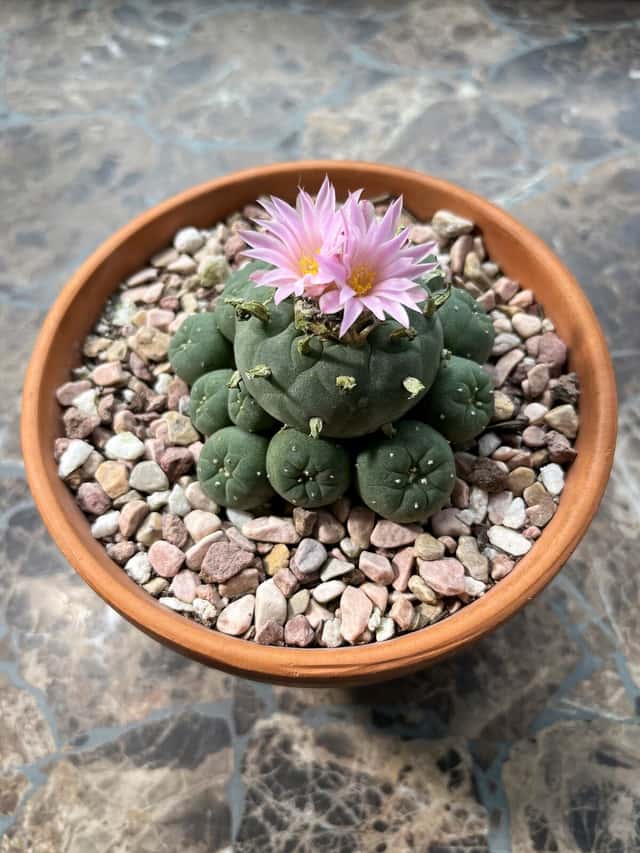
Peyote (Lophophora williamsii) is a small, spineless, globose cactus native to the limestone deserts of northern Mexico and southern Texas within the Chihuahuan Desert region. It reaches only 2–7 cm in height and 4–12 cm in diameter, featuring a surface divided into rounded ribs and tufts of woolly hair (areoles) instead of spines. It grows extremely slowly, taking years to reach maturity and bloom with small pink, white, or yellowish flowers between spring and summer. It is primarily known for containing mescaline and other psychoactive alkaloids in its tissues, which is why its possession and cultivation are subject to legal restrictions in many countries.
How Big Does Peyote Grow?
TLDR: Peyote can reach up to 7cm tall with Slow growth rate.
Max height
7cm
Spread
12cm
Growth rate
Slow
Foliage
Evergreen
Warning: Toxic Plant
This plant can be toxic if ingested. Keep out of reach of:
Plant Uses
Ornamental
Great for decoration
Medicinal
Medicinal properties
Medicinal Uses
- Traditional ritual and ceremonial use among North American indigenous peoples (Native American Church)
- Historical use in Mesoamerican folk medicine as an analgesic and for the treatment of fevers and wounds
Is your plant showing symptoms?
Click on the symptom to discover possible causes:
What Diseases Commonly Affect Peyote?
TLDR: Peyote is susceptible to 5 known diseases. Monitor regularly for early detection.
Root Rot
Root rot is a serious fungal disease that affects the root system of plants, causing them to decay and die. It is primarily caused by overwatering, poor drainage, or soil-borne fungi such as Pythium, Phytophthora, Rhizoctonia, and Fusarium. The disease thrives in waterlogged conditions where roots are deprived of oxygen, making them susceptible to fungal infection.
Scale Insects
Scale insects are small sap-sucking pests that appear as brown, shell-like bumps on plant stems and leaves. There are over 25 species, divided into armored (hard) and unarmored (soft) scales. They feed by piercing plant tissue and extracting sap, which weakens the plant and can lead to yellowing, stunted growth, and even death if left untreated. They also excrete honeydew, which attracts ants and promotes sooty mold growth.
Mealybugs
Mealybugs are small, soft-bodied insects covered with a white, waxy, cottony material. They are common pests of houseplants and outdoor plants in mild climates. These sap-sucking insects feed on plant tissue, causing damage, stunted growth, and can lead to plant death if left untreated. They produce sticky honeydew which attracts sooty mold.
Overwatering
Overwatering occurs when plants receive too much water, depriving roots of oxygen and causing root rot. This environmental stress is one of the most common causes of houseplant death, as waterlogged soil prevents roots from breathing and functioning properly.
Meaning & Symbolism
For over 5,000 years, peyote has been considered sacred by the indigenous peoples of Mexico and southern Texas, particularly the Huichol and Tarahumara, and is used in Native American Church rituals as a medicine plant capable of facilitating communication with the divine. It symbolizes inner vision, spiritual healing, and a deep connection with the arid land from which it originates.
Compare with similar plants
| Attribute | Difficulty | Light | Watering | Pet Safe |
|---|---|---|---|---|
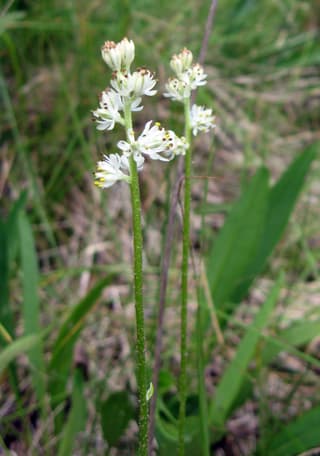
| Sticky false asphodel | Hard | Bright indirect | 1d | ✓ |
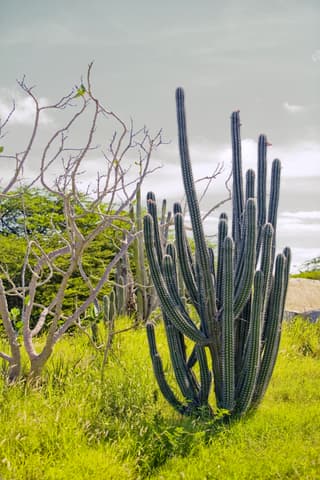
| Chilean Cacti | Easy | Direct sun | 14d | ✓ |
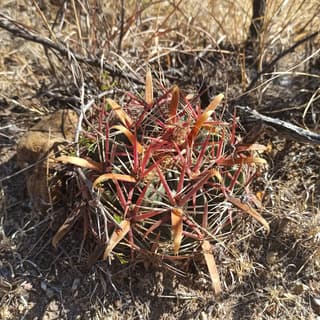
| Devils Tongue Cactus | Easy | Direct sun | 21d | ✓ |
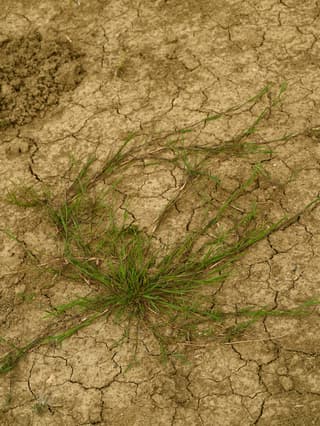
| Creeping bentgrass | Hard | Direct sun | 3d | ✓ |