Polygonaceae
Pigeon Plum (Coccoloba diversifolia): Complete Care Guide
Coccoloba diversifolia
An extremely low-maintenance tree. Thrives in full sun and sandy, well-drained soil. Highly drought and salt tolerant once established. Minimal watering and care required after the first year.
Every 14 days
Bright indirect
5° - 38°C
50% - 80%
Categories
What is Pigeon Plum?
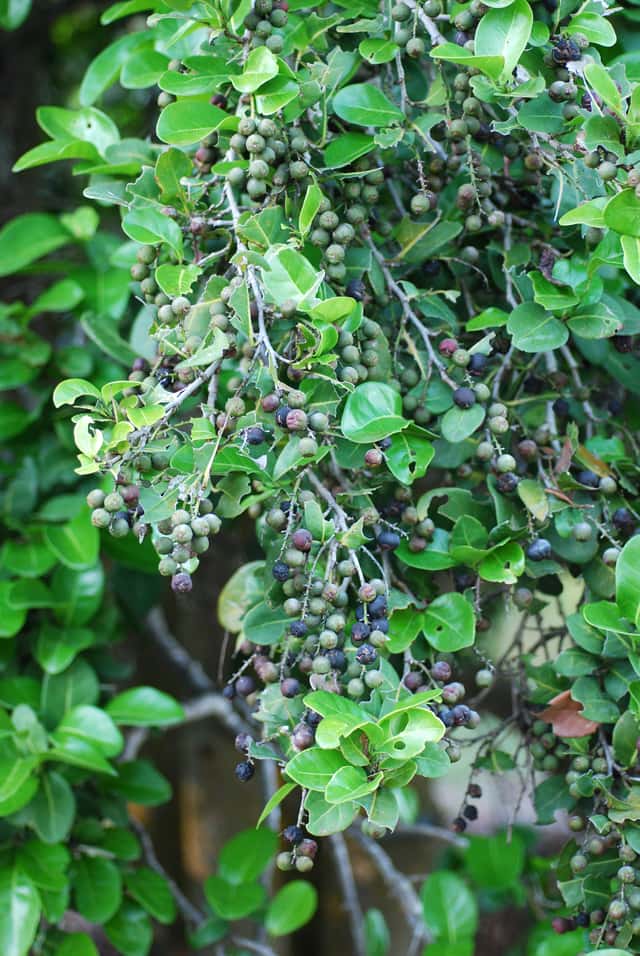
Pigeon Plum (Coccoloba diversifolia) is a easy-care plant from the Polygonaceae family. Pigeon Plum (Coccoloba diversifolia) is a fast-growing, evergreen tropical tree native to the Caribbean, Florida, and Central America. Prized for its leathery dark-green foliage, creamy-white flower spikes, and small reddish-purple fruits loved by birds, it thrives in sandy coastal soils with outsta...
Pigeon Plum grows up to 12.0m, spread of 600cm, watering every 14 days, 5°C – 38°C, 50–80% humidity. It is not suitable for indoor environments and safe for pets.
Unlike many tropical plants, Pigeon Plum tolerates watering mistakes. Best for beginners. Unlike many popular species, Pigeon Plum is safe to keep around pets.
How to Care for Pigeon Plum?
TLDR: Pigeon Plum needs Bright indirect, watering every 14 days, and temperatures between 5-38°C with 50-80% humidity.
How Often Should You Water Pigeon Plum?
Water regularly during the first weeks after planting. Once established, water every 10-14 days during dry periods. Reduce irrigation in winter. Avoid overwatering — root rot is the main risk.
How Much Light Does Pigeon Plum Need?
Prefers full sun (6+ hours daily). Tolerates partial shade but grows slower. Excellent for exposed coastal locations and seafront gardens.
What Is the Best Soil for Pigeon Plum?
Thrives in sandy, rocky, or limestone soils with excellent drainage. Adapts to poor soils. Avoid waterlogged conditions. No special soil amendments required.
What Pot Should You Use for Pigeon Plum?
Clay or terracotta pot with drainage holes for container specimens. For ground planting, choose an open, sunny spot.
Care Schedule
Fertilize
Every 90 days
What Is Pigeon Plum and Where Does It Come From?
Pigeon Plum (Coccoloba diversifolia) is a fast-growing, evergreen tropical tree native to the Caribbean, Florida, and Central America. Prized for its leathery dark-green foliage, creamy-white flower spikes, and small reddish-purple fruits loved by birds, it thrives in sandy coastal soils with outstanding drought and salt tolerance.
How to Propagate Pigeon Plum?
Seed Propagation
Use fresh seeds for best germination rates. Keep substrate lightly moist but not waterlogged.
- 1 Collect ripe fruits and clean seeds from pulp
- 2 Sow in sandy, moist growing medium at 20°C
- 3 Keep in a bright location and await germination
Materials needed:
Stem Cutting
Avoid overwatering. Use a humidity tent to maintain warmth and moisture.
- 1 Take a semi-hardwood cutting of 15-20 cm with 2-3 leaves
- 2 Dip base in rooting hormone
- 3 Plant in sandy mix and keep moist until rooted
Materials needed:
How Big Does Pigeon Plum Grow?
TLDR: Pigeon Plum can reach up to 12.0m tall with Fast growth rate.
Max height
12.0m
Spread
6.0m
Growth rate
Fast
Foliage
Evergreen
Plant Uses
Ornamental
Great for decoration
Edible
Can be consumed
Culinary Uses
- Edible fruits eaten fresh, made into jelly, or used in fermented beverages
Is your plant showing symptoms?
Click on the symptom to discover possible causes:
What Diseases Commonly Affect Pigeon Plum?
TLDR: Pigeon Plum is susceptible to 3 known diseases. Monitor regularly for early detection.
Root Rot
Root rot is a serious fungal disease that affects the root system of plants, causing them to decay and die. It is primarily caused by overwatering, poor drainage, or soil-borne fungi such as Pythium, Phytophthora, Rhizoctonia, and Fusarium. The disease thrives in waterlogged conditions where roots are deprived of oxygen, making them susceptible to fungal infection.
Leaf Spot
Leaf spot is a common fungal disease caused by various pathogens including Alternaria, Ascochyta, Colletotrichum, Septoria, and Venturia. It primarily affects leaves, causing discolored spots that can lead to premature leaf drop if left untreated.
Scale Insects
Scale insects are small sap-sucking pests that appear as brown, shell-like bumps on plant stems and leaves. There are over 25 species, divided into armored (hard) and unarmored (soft) scales. They feed by piercing plant tissue and extracting sap, which weakens the plant and can lead to yellowing, stunted growth, and even death if left untreated. They also excrete honeydew, which attracts ants and promotes sooty mold growth.
Fun Facts
Coccoloba diversifolia is dioecious — you need both male and female plants to produce fruit.
The small fruits are eagerly eaten by pigeons and doves, giving the tree its common name.
It is one of the few Florida native trees equally tolerant of drought and coastal salt spray.
The wood is used locally in the Caribbean for posts and light woodworking.
Frequently asked questions
How often should I water Pigeon Plum?
Is Pigeon Plum toxic to pets?
Can Pigeon Plum grow in a container?
When does Pigeon Plum fruit?
Does it need pruning?
Compare with similar plants
| Attribute | Difficulty | Light | Watering | Pet Safe |
|---|---|---|---|---|
| Field Maple | Easy | Bright indirect | 14d | ✓ |
| Silver Birch | Easy | Direct sun | 14d | ✓ |
| Common Blanketflower | Easy | Direct sun | 10d | ✓ |
| Cushion Bush | Easy | Direct sun | 14d | ✓ |





