Amaryllidaceae
Pink Rain Lily (Zephyranthes rosea) Care Guide
Zephyranthes rosea
Easy-care bulb that thrives in full sun to partial shade with well-draining, slightly acidic to neutral soil. Water when the top inch of soil dries out and allow the bulbs a dry rest period between flowering flushes to prevent rot. Tolerates drought well once established but blooms in response to heavy rain or deep watering.
Every 7 days
Bright indirect
° - °C
% - %
Categories
What is Pink Rain Lily?
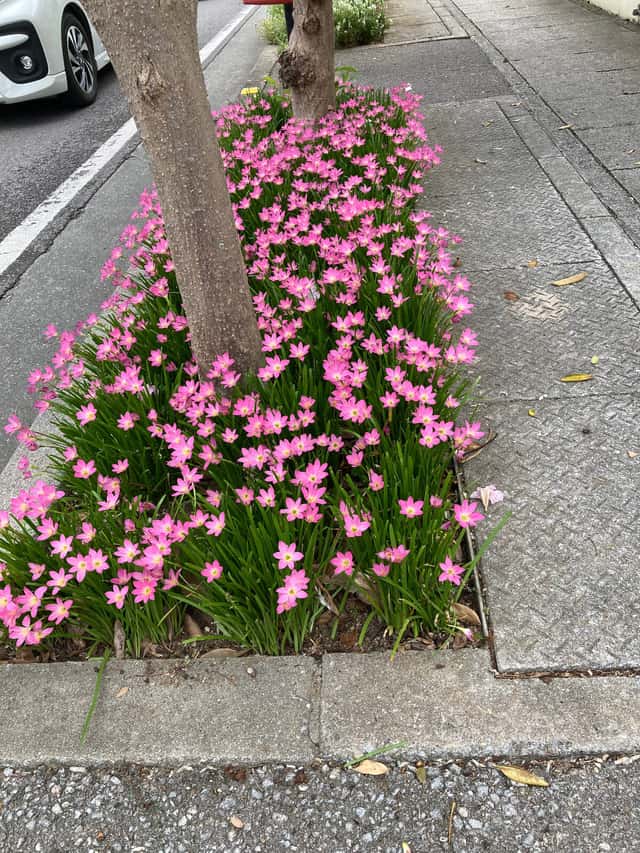
Pink Rain Lily (Zephyranthes rosea) is a easy-care plant from the Amaryllidaceae family. Zephyranthes rosea, commonly known as the pink rain lily or Cuban zephyrlily, is a small bulbous perennial in the amaryllis family (Amaryllidaceae). Native to the Caribbean and parts of South America, it produces slender, grass-like dark green leaves and funnel-shaped, bright pink flowers with a gre...
Pink Rain Lily grows up to 20cm, spread of 20cm, watering every 7 days. It is suitable for indoor environments and not safe for pets.
Unlike many tropical plants, Pink Rain Lily tolerates watering mistakes. Best for beginners. Without precautions, ingestion can cause irritation in pets. Keep out of reach of cats and dogs. Without adequate drainage, root rot can develop within 14 days.
How to Care for Pink Rain Lily?
TLDR: Pink Rain Lily needs Bright indirect, watering every 7 days, and temperatures between 15-30°C with 40-70% humidity.
How Often Should You Water Pink Rain Lily?
Let the top inch of soil dry before watering again; avoid standing water, which quickly rots the bulbs. A deep watering after a dry spell often triggers a fresh flush of flowers.
How Much Light Does Pink Rain Lily Need?
Provide full sun for the best flowering, though the plant tolerates partial shade. In hot climates, afternoon shade helps prevent leaf scorch.
What Is the Best Soil for Pink Rain Lily?
Use loose, well-draining soil enriched with organic matter; amend heavy clay with sand or compost. A slightly acidic to neutral pH (6-7) is ideal.
What Pot Should You Use for Pink Rain Lily?
A shallow, well-draining terracotta pot suits this bulb well, as terracotta wicks away excess moisture and helps prevent bulb rot.
Care Schedule
Fertilize
Every 14 days
Misting
Every 3 days
Rotate
Every 7 days
Repot
Every 365 days
What Is Pink Rain Lily and Where Does It Come From?
Zephyranthes rosea, commonly known as the pink rain lily or Cuban zephyrlily, is a small bulbous perennial in the amaryllis family (Amaryllidaceae). Native to the Caribbean and parts of South America, it produces slender, grass-like dark green leaves and funnel-shaped, bright pink flowers with a green throat that emerge suddenly after heavy rains, typically in late summer. Growing only 15-20 cm tall, it forms dense clumps ideal for borders, rock gardens, and containers.
How Big Does Pink Rain Lily Grow?
TLDR: Pink Rain Lily can reach up to 20cm tall with Medium growth rate.
Max height
20cm
Spread
20cm
Growth rate
Medium
Foliage
Semi-evergreen
Warning: Toxic Plant
This plant can be toxic if ingested. Keep out of reach of:
Plant Uses
Ornamental
Great for decoration
Ground Cover
Soil coverage
Is your plant showing symptoms?
Click on the symptom to discover possible causes:
What Diseases Commonly Affect Pink Rain Lily?
TLDR: Pink Rain Lily is susceptible to 5 known diseases. Monitor regularly for early detection.
Grey Mould
Aphids
Aphids are small, soft-bodied, pear-shaped insects (1/16 to 1/8 inch long) that feed by sucking nutrient-rich sap from plants. They reproduce rapidly and can quickly weaken plants, causing distorted growth and transmitting plant viruses. Aphids come in various colors including green, black, red, yellow, brown, and gray. They secrete honeydew, a sticky substance that attracts ants and encourages sooty mold growth.
Spider Mites
Spider mites are tiny arachnids (less than 1/20 inch long) related to spiders and ticks that feed on plant sap. They thrive in hot, dry conditions and can cause significant damage to ornamental and vegetable plants. During severe infestations, crop losses can reach 14% or higher as these pests disrupt vital plant processes including photosynthesis, carbon dioxide absorption, and transpiration.
Slugs and Snails
Slugs and snails are mollusks that feed on plant tissue, causing irregular holes in leaves and damage to young seedlings. They are most active at night and in moist conditions, leaving characteristic silvery slime trails. These pests can quickly devastate gardens, especially during wet seasons.
Meaning & Symbolism
Rain lilies are often associated with renewal and hope, as their blooms appear suddenly after rainfall.
Fun Facts
Its flowers often appear within days of a heavy rainstorm, giving rain lilies their name.
The genus name Zephyranthes comes from Zephyrus, the Greek god of the west wind.
Despite its delicate look, the plant is highly drought-tolerant once established.
Frequently asked questions
Is Zephyranthes rosea toxic to pets?
Why isn't my rain lily blooming?
How do I propagate Zephyranthes rosea?
Compare with similar plants
| Attribute | Difficulty | Light | Watering | Pet Safe |
|---|---|---|---|---|
| Field Maple | Easy | Bright indirect | 14d | ✓ |
| Silver Birch | Easy | Direct sun | 14d | ✓ |
| Common Blanketflower | Easy | Direct sun | 10d | ✓ |
| Cushion Bush | Easy | Direct sun | 14d | ✓ |





