Lamiaceae
Cuban Oregano: Aromatic Plant
Plectranthus amboinicus
An easy-care herb perfect for beginners. Thrives in full sun to partial shade with 4-6 hours of daily sunlight. Water every 7 days, allowing the soil to dry out between waterings. Highly drought-tolerant once established. Needs well-draining soil to prevent root rot.
Every 7 days
Bright indirect
10° - 35°C
40% - 70%
Categories
What is Cuban Oregano?
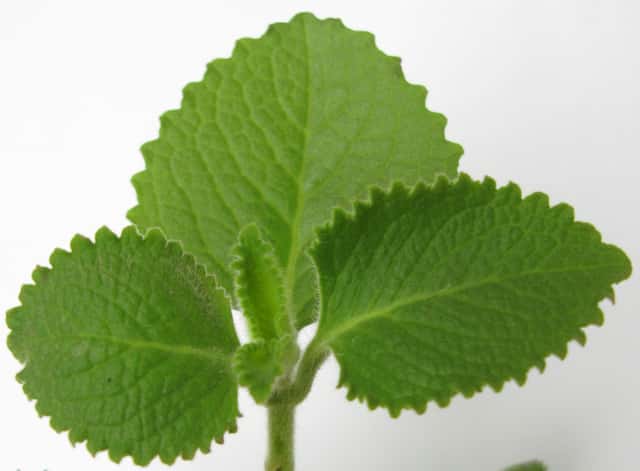
Cuban Oregano (Plectranthus amboinicus) is a easy-care plant from the Lamiaceae family. Plectranthus amboinicus, commonly known as Cuban oregano or Indian borage, is an aromatic semi-succulent herb in the Lamiaceae family. Native to tropical Africa and widely naturalized across the tropics, it features thick, fleshy, velvety leaves with a bold oregano-mint fragrance. Widely grown as a...
Cuban Oregano grows up to 50cm, spread of 60cm, watering every 7 days, 10°C – 35°C, 40–70% humidity. It is suitable for indoor environments and safe for pets.
Unlike many tropical plants, Cuban Oregano tolerates watering mistakes. Best for beginners. Unlike many popular species, Cuban Oregano is safe to keep around pets. Without adequate drainage, root rot can develop within 14 days.
How to Care for Cuban Oregano?
TLDR: Cuban Oregano needs Bright indirect, watering every 7 days, and temperatures between 10-35°C with 40-70% humidity.
How Often Should You Water Cuban Oregano?
Water approximately once a week or when the top inch of soil is dry. This semi-succulent is very drought-tolerant — avoid overwatering. Reduce frequency in winter.
How Much Light Does Cuban Oregano Need?
Provide full sun to partial shade. Aim for 4-6 hours of morning sunlight daily. Protect from intense afternoon sun in very hot climates to prevent leaf scorch.
What Is the Best Soil for Cuban Oregano?
Use well-draining soil such as a cactus/succulent mix or standard potting soil amended with perlite. Ideal pH 6.0–7.5. Avoid waterlogged conditions.
Care Schedule
Fertilize
Every 28 days
Repot
Every 365 days
What Is Cuban Oregano and Where Does It Come From?
Plectranthus amboinicus, commonly known as Cuban oregano or Indian borage, is an aromatic semi-succulent herb in the Lamiaceae family. Native to tropical Africa and widely naturalized across the tropics, it features thick, fleshy, velvety leaves with a bold oregano-mint fragrance. Widely grown as a culinary herb and medicinal plant.
How Big Does Cuban Oregano Grow?
TLDR: Cuban Oregano can reach up to 50cm tall with Fast growth rate.
Max height
50cm
Spread
60cm
Growth rate
Fast
Foliage
Evergreen
Plant Uses
Ornamental
Great for decoration
Edible
Can be consumed
Medicinal
Medicinal properties
Aromatic
Pleasant fragrance
Medicinal Uses
- Traditional remedy for coughs, fevers, asthma and respiratory infections
- Antifungal, antibacterial, and anti-inflammatory properties reported
- Used topically for insect bites and skin infections
Culinary Uses
- Oregano substitute in cooking — use half the quantity of fresh oregano
- Herbal teas and aromatic infusions
- Seasoning for meats, beans, and tropical sauces
Is your plant showing symptoms?
Click on the symptom to discover possible causes:
What Diseases Commonly Affect Cuban Oregano?
TLDR: Cuban Oregano is susceptible to 10 known diseases. Monitor regularly for early detection.
Root Rot
Root rot is a serious fungal disease that affects the root system of plants, causing them to decay and die. It is primarily caused by overwatering, poor drainage, or soil-borne fungi such as Pythium, Phytophthora, Rhizoctonia, and Fusarium. The disease thrives in waterlogged conditions where roots are deprived of oxygen, making them susceptible to fungal infection.
Powdery Mildew
Powdery mildew is a common fungal disease caused by various fungi species including Erysiphe, Podosphaera, Oïdium, and Leveillula. It affects over 10,000 plant species worldwide. The disease thrives in warm, dry climates with high humidity and appears as a distinctive white powdery coating on plant surfaces.
Leaf Spot
Leaf spot is a common fungal disease caused by various pathogens including Alternaria, Ascochyta, Colletotrichum, Septoria, and Venturia. It primarily affects leaves, causing discolored spots that can lead to premature leaf drop if left untreated.
Spider Mites
Spider mites are tiny arachnids (less than 1/20 inch long) related to spiders and ticks that feed on plant sap. They thrive in hot, dry conditions and can cause significant damage to ornamental and vegetable plants. During severe infestations, crop losses can reach 14% or higher as these pests disrupt vital plant processes including photosynthesis, carbon dioxide absorption, and transpiration.
Meaning & Symbolism
Symbol of healing and culinary tradition across tropical cultures; used in folk medicine for respiratory ailments and fevers.
Compare with similar plants
| Attribute | Difficulty | Light | Watering | Pet Safe |
|---|---|---|---|---|
| Field Maple | Easy | Bright indirect | 14d | ✓ |
| Silver Birch | Easy | Direct sun | 14d | ✓ |
| Common Blanketflower | Easy | Direct sun | 10d | ✓ |
| Cushion Bush | Easy | Direct sun | 14d | ✓ |





