Lythraceae
Pomegranate (Punica granatum) Care Guide
Punica granatum
Pomegranate is a sun-loving, drought-tolerant plant that thrives outdoors in warm climates. Water deeply but infrequently, fertilize once a month during the growing season, and prune annually in late winter to maintain shape and encourage fruiting. Best suited for USDA zones 8-11.
Every 10 days
Direct sun
-12° - 40°C
40% - 65%
Categories
What is Pomegranate?
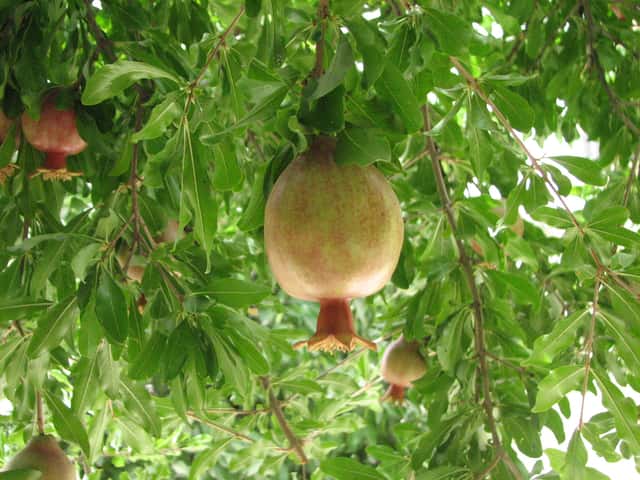
Pomegranate (Punica granatum) is a medium-care plant from the Lythraceae family. Punica granatum, commonly known as Pomegranate, is a fruit-bearing deciduous shrub or small tree native to the region spanning Iran to northern India. It has been cultivated for millennia and is prized for its jewel-like red arils, ornamental scarlet flowers, and deep cultural symbolism. Growing 3 t...
Pomegranate grows up to 3.6m, spread of 305cm, watering every 10 days, -12°C – 40°C, 40–65% humidity. It is not suitable for indoor environments and safe for pets.
Unlike many popular species, Pomegranate is safe to keep around pets.
How to Care for Pomegranate?
TLDR: Pomegranate needs Direct sun, watering every 10 days, and temperatures between -12-40°C with 40-65% humidity.
How Often Should You Water Pomegranate?
Water deeply every 7-14 days during the growing season. Allow the soil to dry out between waterings. Pomegranate is drought-tolerant once established but benefits from consistent moisture during flowering and fruiting. Avoid waterlogging to prevent root rot.
How Much Light Does Pomegranate Need?
Pomegranate requires full sun — at least 6 hours of direct sunlight per day. Insufficient light leads to poor flowering and fruit production. Place outdoors in the sunniest spot available.
What Is the Best Soil for Pomegranate?
Plant in well-draining soil with a pH of 5.5-7.5. Sandy loam or amended garden soil works well. Avoid heavy clay without amendments. Add organic compost to improve fertility and drainage.
What Pot Should You Use for Pomegranate?
Terracotta or glazed ceramic pots with drainage holes are ideal for container pomegranates. Choose a large container (at least 50 cm diameter) to support root development.
Care Schedule
Fertilize
Every 30 days
What Is Pomegranate and Where Does It Come From?
Punica granatum, commonly known as Pomegranate, is a fruit-bearing deciduous shrub or small tree native to the region spanning Iran to northern India. It has been cultivated for millennia and is prized for its jewel-like red arils, ornamental scarlet flowers, and deep cultural symbolism. Growing 3 to 5 meters tall, it thrives in hot, dry climates with full sun and well-draining soil.
How to Propagate Pomegranate?
Hardwood Cutting
Hardwood cuttings taken in late winter have the highest success rate. Keep humidity moderate and avoid direct sun until rooted.
- 1 Select a healthy hardwood stem 25-30 cm long from the previous season growth
- 2 Remove all leaves and dip the base in rooting hormone powder
- 3 Plant in a well-draining mix of sand and perlite
- 4 Keep moist in a warm location with indirect light until roots form
- 5 Transplant to a larger container or outdoor bed after 8 weeks
Materials needed:
Seed Propagation
Seed propagation is used for breeding, not for maintaining varietal characteristics. Use cuttings for reliable results.
- 1 Remove seeds from fresh fruit and clean off the pulp completely
- 2 Sow seeds 1 cm deep in moist seed-starting mix
- 3 Keep at 20-25 degrees C with consistent moisture
- 4 Germination occurs in 2-4 weeks
- 5 Transplant seedlings when 10 cm tall
Materials needed:
How Big Does Pomegranate Grow?
TLDR: Pomegranate can reach up to 3.6m tall with Medium growth rate.
Max height
3.6m
Spread
3.0m
Growth rate
Medium
Foliage
Deciduous
Plant Uses
Ornamental
Great for decoration
Edible
Can be consumed
Medicinal
Medicinal properties
Medicinal Uses
- Pomegranate rind and bark have been used in traditional medicine to treat diarrhea, inflammation, and parasites. Rich in tannins and antioxidants.
Culinary Uses
- The red arils are eaten fresh or pressed into juice. Used in salads, marinades, sauces, grenadine syrup, and as a garnish in many Middle Eastern dishes.
Is your plant showing symptoms?
Click on the symptom to discover possible causes:
What Diseases Commonly Affect Pomegranate?
TLDR: Pomegranate is susceptible to 13 known diseases. Monitor regularly for early detection.
Root Rot
Root rot is a serious fungal disease that affects the root system of plants, causing them to decay and die. It is primarily caused by overwatering, poor drainage, or soil-borne fungi such as Pythium, Phytophthora, Rhizoctonia, and Fusarium. The disease thrives in waterlogged conditions where roots are deprived of oxygen, making them susceptible to fungal infection.
Leaf Spot
Leaf spot is a common fungal disease caused by various pathogens including Alternaria, Ascochyta, Colletotrichum, Septoria, and Venturia. It primarily affects leaves, causing discolored spots that can lead to premature leaf drop if left untreated.
Alternaria Leaf Spot
Alternaria leaf spot is a common fungal disease caused by Alternaria solani and Alternaria alternata that affects a wide range of plants including tomatoes, potatoes, brassicas, and ornamentals. The disease thrives in warm, humid conditions and can cause significant crop damage if left untreated. Spores overwinter on plant debris and can attach to seeds, making complete elimination difficult.
Cercospora Leaf Spot
Cercospora leaf spot is a common fungal disease caused by Cercospora species that affects many plant types, particularly beets, roses, and leafy vegetables. The disease thrives in warm, humid conditions and can cause significant defoliation, reducing plant vigor and yield. It spreads rapidly through water splash, wind, and contaminated tools.
Meaning & Symbolism
In many cultures, the pomegranate symbolizes fertility, abundance, and prosperity. In Persian tradition it represents paradise and eternal life; in Greek mythology it is linked to Persephone; in Jewish tradition it signifies righteousness.
Fun Facts
Punica granatum has been cultivated for over 4,000 years and is one of the world oldest known cultivated fruits.
A single pomegranate fruit can contain up to 1,400 seeds, though the average is around 600.
Pomegranate juice has some of the highest antioxidant activity of any fruit juice, surpassing red wine and green tea.
The pomegranate is the national emblem of Azerbaijan and a symbol of good fortune in many Middle Eastern cultures.
Frequently asked questions
How often should I water my pomegranate?
Does pomegranate need full sun?
Is pomegranate toxic to pets or humans?
When does pomegranate fruit ripen?
Can I grow pomegranate in a pot?
Compare with similar plants
| Attribute | Difficulty | Light | Watering | Pet Safe |
|---|---|---|---|---|
| Dark Fieldcap | Medium | Low light | 2d | ⚠️ |
| Azalea | Medium | Partial shade | 3d | ⚠️ |
| Muriel's Bamboo | Medium | Partial shade | 3d | ✓ |
| Bougainvillea | Medium | Direct sun | 7d | ⚠️ |




