Araceae
Pothos Care Guide
Pothos
Extremely low-maintenance: bright indirect light, water when the top 2-3 inches of soil are dry, and average room humidity are enough to keep it thriving. Tolerates neglect but grows faster and more variegated in brighter conditions.
Every 9 days
Partial shade
15° - 29°C
40% - 60%
Categories
What is Pothos?
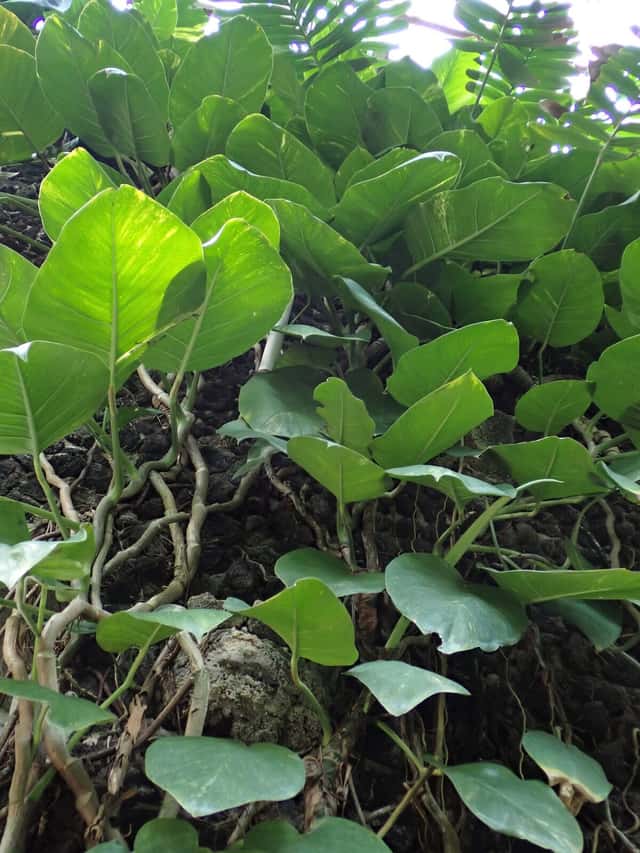
Pothos (Pothos) is a easy-care plant from the Araceae family. Pothos is one of the most popular and forgiving houseplants in the world, prized for its trailing vines and heart-shaped, often variegated leaves. In everyday use the name "pothos" almost always refers to Epipremnum aureum (golden pothos), a fast-growing tropical vine native to the Solomon Islands....
Pothos grows up to 2.4m, spread of 200cm, watering every 9 days, 15°C – 29°C, 40–60% humidity. It is suitable for indoor environments and not safe for pets.
Unlike many tropical plants, Pothos tolerates watering mistakes. Best for beginners. Without precautions, ingestion can cause irritation in pets. Keep out of reach of cats and dogs. Without adequate drainage, root rot can develop within 18 days.
How to Care for Pothos?
TLDR: Pothos needs Partial shade, watering every 9 days, and temperatures between 15-29°C with 40-60% humidity.
How Often Should You Water Pothos?
Water when the top 2-3 in (5-7 cm) of soil feels dry, roughly every 7-10 days. Reduce frequency in winter and always empty the saucer to avoid root rot.
How Much Light Does Pothos Need?
Thrives in bright, indirect light but tolerates medium and even low light. Avoid direct midday sun, which can scorch the leaves and fade variegation.
What Is the Best Soil for Pothos?
Any well-draining potting mix works; a standard indoor potting soil with added perlite improves drainage and prevents soggy roots.
What Pot Should You Use for Pothos?
A container with drainage holes, terracotta or plastic, only slightly larger than the current root ball; pothos prefers to be slightly root-bound.
Care Schedule
Fertilize
Every 60 days
Rotate
Every 14 days
Repot
Every 730 days
What Is Pothos and Where Does It Come From?
Pothos is one of the most popular and forgiving houseplants in the world, prized for its trailing vines and heart-shaped, often variegated leaves. In everyday use the name "pothos" almost always refers to Epipremnum aureum (golden pothos), a fast-growing tropical vine native to the Solomon Islands. The name stuck from an old classification: the plant was first described in 1880 as Pothos aureus, and even after botanists moved it into the genus Epipremnum in 1964, the common name never went away. It tolerates low light, irregular watering, and general neglect better than almost any other houseplant, making it a favorite for beginners and offices alike.
How to Propagate Pothos?
Stem cutting in water
Use clean, sharp scissors and always cut just below a node, since roots only form there.
- 1 Cut a healthy stem section just below a node, keeping 2-3 leaves
- 2 Remove any leaves that would sit below the waterline
- 3 Place the cutting in a jar of water so the node is submerged
- 4 Change the water weekly and keep in bright, indirect light
- 5 Pot into soil once roots are 1-2 in (3-5 cm) long
Materials needed:
Division
Best done on older, well-established plants with multiple growth points.
- 1 Remove the mature plant from its pot
- 2 Gently separate the root mass into sections, each with stems and roots attached
- 3 Repot each section into its own container with fresh potting mix
Materials needed:
How Big Does Pothos Grow?
TLDR: Pothos can reach up to 2.4m tall with Fast growth rate.
Max height
2.4m
Spread
2.0m
Growth rate
Fast
Foliage
Evergreen
Warning: Toxic Plant
This plant can be toxic if ingested. Keep out of reach of:
Plant Uses
Ornamental
Great for decoration
Air Purifying
Improves air quality
Is your plant showing symptoms?
Click on the symptom to discover possible causes:
What Diseases Commonly Affect Pothos?
TLDR: Pothos is susceptible to 4 known diseases. Monitor regularly for early detection.
Root Rot
Root rot is a serious fungal disease that affects the root system of plants, causing them to decay and die. It is primarily caused by overwatering, poor drainage, or soil-borne fungi such as Pythium, Phytophthora, Rhizoctonia, and Fusarium. The disease thrives in waterlogged conditions where roots are deprived of oxygen, making them susceptible to fungal infection.
Leaf Spot
Leaf spot is a common fungal disease caused by various pathogens including Alternaria, Ascochyta, Colletotrichum, Septoria, and Venturia. It primarily affects leaves, causing discolored spots that can lead to premature leaf drop if left untreated.
Spider Mites
Spider mites are tiny arachnids (less than 1/20 inch long) related to spiders and ticks that feed on plant sap. They thrive in hot, dry conditions and can cause significant damage to ornamental and vegetable plants. During severe infestations, crop losses can reach 14% or higher as these pests disrupt vital plant processes including photosynthesis, carbon dioxide absorption, and transpiration.
Mealybugs
Mealybugs are small, soft-bodied insects covered with a white, waxy, cottony material. They are common pests of houseplants and outdoor plants in mild climates. These sap-sucking insects feed on plant tissue, causing damage, stunted growth, and can lead to plant death if left untreated. They produce sticky honeydew which attracts sooty mold.
Meaning & Symbolism
Widely seen as a symbol of prosperity, resilience, and good luck; in Feng Shui its trailing, coin-shaped leaves are linked to wealth and abundance, and it is a common housewarming gift.
Fun Facts
Golden pothos was originally named Pothos aureus in 1880, which is why the common name pothos stuck even after it was reclassified into the genus Epipremnum in 1964.
In its native habitat it can climb over 40 ft (12 m) using aerial roots, with leaves growing much larger than the potted versions we know indoors.
It is one of NASA's Clean Air Study plants, noted for helping filter indoor air pollutants.
Pothos rarely flowers indoors - most houseplants never bloom at all in cultivation.
Frequently asked questions
Is pothos toxic to cats and dogs?
How often should I water my pothos?
Why are my pothos leaves losing their variegation?
Is pothos the same plant as Epipremnum aureum?
How do I propagate pothos?
Compare with similar plants
| Attribute | Difficulty | Light | Watering | Pet Safe |
|---|---|---|---|---|
| Field Maple | Easy | Bright indirect | 14d | ✓ |
| Silver Birch | Easy | Direct sun | 14d | ✓ |
| Common Blanketflower | Easy | Direct sun | 10d | ✓ |
| Cushion Bush | Easy | Direct sun | 14d | ✓ |
Choose & Compare
Sources & References
- Epipremnum aureum (Golden Pothos) - Plant Care 101
- Golden Pothos Care | The Sill
- Toxic and Non-toxic Plants: Golden Pothos | ASPCA
- Is Golden Pothos Toxic to Cats or Dogs?
- Devils Ivy Care Guide: How to Grow a Gorgeous Golden Pothos
- Epipremnum aureum - Wikipedia
- Pothos (plant) - Wikipedia
- How To Propagate Pothos
- 9 Benefits of Golden Pothos: The Symbol of Luck and Resilience





