Asteraceae
Prairie Blazing Star (Liatris pycnostachya) Care Guide
Liatris pycnostachya
Plant in full sun with consistently moist, well-drained soil. Avoid wet soil in winter, as it can rot the corms. Needs little to no fertilizer, tolerates summer heat and humidity well, and requires minimal maintenance beyond an autumn cutback.
Every 5 days
Direct sun
10° - 32°C
% - %
Categories
What is Prairie Blazing Star?
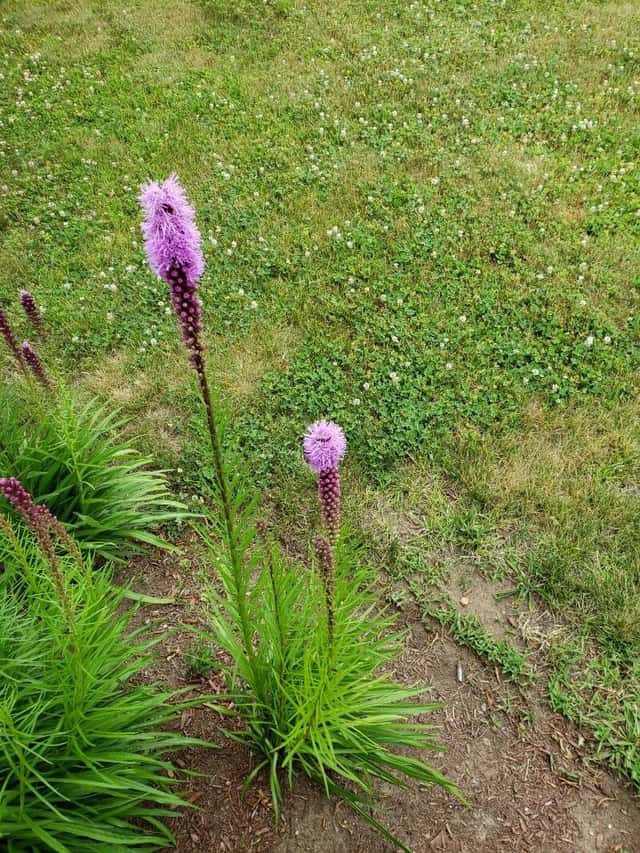
Prairie Blazing Star (Liatris pycnostachya) is a easy-care plant from the Asteraceae family. Prairie Blazing Star is a tall, herbaceous perennial native to the tallgrass prairies of the central and southeastern United States. It produces dense, bottlebrush-like spikes of rose-purple to lavender flowers that open from the top of the spike downward, a trait that distinguishes it from most oth...
Prairie Blazing Star grows up to 1.5m, spread of 40cm, watering every 5 days, 10°C – 32°C. It is not suitable for indoor environments and safe for pets.
Unlike many tropical plants, Prairie Blazing Star tolerates watering mistakes. Best for beginners. Unlike many popular species, Prairie Blazing Star is safe to keep around pets.
How to Care for Prairie Blazing Star?
TLDR: Prairie Blazing Star needs Direct sun, watering every 5 days, and temperatures between 10-32°C with 40-70% humidity.
How Often Should You Water Prairie Blazing Star?
Keep soil evenly moist during the growing season, especially in the first year. Established plants tolerate brief dry spells but perform best without prolonged drought.
How Much Light Does Prairie Blazing Star Need?
Provide at least 6 hours of direct sun daily. Too little light causes weak, floppy flower stalks.
What Is the Best Soil for Prairie Blazing Star?
Use loamy or clay-loam soil that retains moisture but drains well; avoid heavy wet clay in winter and very sandy, fast-draining soils.
What Pot Should You Use for Prairie Blazing Star?
Best grown in the ground; if potted, use a deep container (at least 30 cm) with excellent drainage to accommodate the corm and prevent winter waterlogging.
What Is Prairie Blazing Star and Where Does It Come From?
Prairie Blazing Star is a tall, herbaceous perennial native to the tallgrass prairies of the central and southeastern United States. It produces dense, bottlebrush-like spikes of rose-purple to lavender flowers that open from the top of the spike downward, a trait that distinguishes it from most other flowering plants. Rising from a corm-like base, the narrow, grass-like leaves form a tidy clump beneath tall, unbranched flower stalks that can reach up to 1.5 m in height. It thrives in full sun and moist, well-drained soil, making it a favorite of pollinator and rain gardens.
How to Propagate Prairie Blazing Star?
Seed propagation
Direct fall sowing outdoors lets winter cold provide natural stratification.
- 1 Collect ripe seed heads in late fall
- 2 Sow seeds in a moist growing medium and refrigerate for 30 days to stratify
- 3 Sow stratified seeds outdoors or in trays in spring
- 4 Keep soil moist until seedlings emerge, usually within a few weeks
Materials needed:
Corm division
Divide in early spring before new growth emerges for the least stress.
- 1 Dig up the corm clump every 3-5 years once it becomes crowded
- 2 Gently separate individual corms by hand
- 3 Replant corms immediately at the same depth, spaced 30-45 cm apart
- 4 Water thoroughly after replanting
Materials needed:
How Big Does Prairie Blazing Star Grow?
TLDR: Prairie Blazing Star can reach up to 1.5m tall with Medium growth rate.
Max height
1.5m
Spread
40cm
Growth rate
Medium
Foliage
Deciduous
Plant Uses
Ornamental
Great for decoration
Medicinal
Medicinal properties
Medicinal Uses
- Traditionally used by Plains tribes as a root tea for kidney and throat ailments
- Root poultices used for general malaise
Is your plant showing symptoms?
Click on the symptom to discover possible causes:
What Diseases Commonly Affect Prairie Blazing Star?
TLDR: Prairie Blazing Star is susceptible to 10 known diseases. Monitor regularly for early detection.
Rust
Rust is a common fungal disease caused by fungi in the order Pucciniales that affects a wide variety of plants. The disease gets its name from the characteristic orange, yellow, or reddish-brown pustules that appear on leaves, resembling metal rust. This obligate fungal parasite requires living plants to survive and can cause significant economic losses in agricultural crops.
Powdery Mildew
Powdery mildew is a common fungal disease caused by various fungi species including Erysiphe, Podosphaera, Oïdium, and Leveillula. It affects over 10,000 plant species worldwide. The disease thrives in warm, dry climates with high humidity and appears as a distinctive white powdery coating on plant surfaces.
Grey Mould
Verticillium Wilt
Verticillium wilt is a soil-borne fungal disease caused primarily by the fungi Verticillium dahliae and V. albo-atrum. These pathogens infect plant roots and grow within the vascular tissues, blocking water and nutrient transport, resulting in wilting and eventual plant death. The disease affects over 350 plant species including vegetables, fruits, ornamental flowers, and trees. The fungi can survive in soil for more than 10 years as resistant structures called microsclerotia.
Meaning & Symbolism
Represents happiness, vitality and protection; its bold purple spires were traditionally valued for courage and ceremonial purposes.
Fun Facts
Its flowers open from the top of the spike downward, the opposite of most flowering plants
The corms were a food source for voles and other rodents in winter prairies
Its aromatic, inulin-rich roots taste faintly of carrot
It is a larval host plant for the bleeding flower moth
Frequently asked questions
How often should I water Prairie Blazing Star?
Is Prairie Blazing Star toxic to cats or dogs?
When does Prairie Blazing Star bloom?
How do I propagate Prairie Blazing Star?
Does Prairie Blazing Star need fertilizer?
Compare with similar plants
| Attribute | Difficulty | Light | Watering | Pet Safe |
|---|---|---|---|---|
| Field Maple | Easy | Bright indirect | 14d | ✓ |
| Silver Birch | Easy | Direct sun | 14d | ✓ |
| Common Blanketflower | Easy | Direct sun | 10d | ✓ |
| Cushion Bush | Easy | Direct sun | 14d | ✓ |
Choose & Compare
Sources & References
- NC State Extension Gardener Plant Toolbox - Liatris pycnostachya
- Wikipedia - Liatris pycnostachya
- Total Guide to Liatris Pycnostachya - GrowIt BuildIT
- Liatris pycnostachya Prairie Blazing Star - Prairie Moon Nursery
- Liatris pycnostachya - Missouri Botanical Garden Plant Finder
- ASPCA Toxic and Non-Toxic Plants - Liatris
- USDA NRCS Plant Guide - Thickspike Gayfeather





