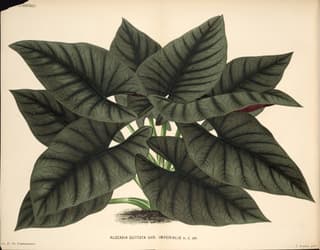
Strophariaceae
Psilocybe angulospora: Best for Low Light
Psilocybe angulospora
Cultivation requires strict sterile techniques, high humidity, and a wood-based organic substrate. It thrives in cool to moderate temperatures with minimal light exposure.
Every 1 days
Low light
15° - 26°C
80% - 95%
Categories
What is Psilocybe angulospora?
Psilocybe angulospora (Psilocybe angulospora) is a hard-care plant from the Strophariaceae family. Psilocybe angulospora is a species of agaric fungus in the family Hymenogastraceae. It is characterized by its small, brownish-to-yellowish caps that often exhibit a bluing reaction when bruised, indicating the presence of psilocybin. The species is notable for its angulate (angular) spores, which d...
Psilocybe angulospora grows up to 10cm, spread of 15cm, watering every 1 days, 15°C – 26°C, 80–95% humidity. It is suitable for indoor environments and not safe for pets.
Unlike easy-care plants, Psilocybe angulospora demands constant attention to humidity and light. Not recommended for beginners. Without precautions, ingestion can cause irritation in pets. Keep out of reach of cats and dogs. Without adequate drainage, root rot can develop within 7 days.
How to Care for Psilocybe angulospora?
TLDR: Psilocybe angulospora needs Low light, watering every 1 days, and temperatures between 15-26°C with 80-95% humidity.
How Often Should You Water Psilocybe angulospora?
Use a fine mister to keep the environment saturated; the substrate should remain consistently damp to support mushroom growth.
How Much Light Does Psilocybe angulospora Need?
Avoid direct sunlight; low-intensity ambient light is only necessary to trigger the development of fruiting bodies.
What Is the Best Soil for Psilocybe angulospora?
Use a substrate rich in lignin, such as hardwood mulch or wood chips, mixed with a small amount of organic compost.
What Pot Should You Use for Psilocybe angulospora?
Monotubs or specialized fruiting chambers with high-quality ventilation and humidity control.
Care Schedule
Misting
Every 1 days
What Is Psilocybe angulospora and Where Does It Come From?
Psilocybe angulospora is a species of agaric fungus in the family Hymenogastraceae. It is characterized by its small, brownish-to-yellowish caps that often exhibit a bluing reaction when bruised, indicating the presence of psilocybin. The species is notable for its angulate (angular) spores, which distinguish it from many other members of the genus. It is typically found growing in wood chips, mulch, or rich organic debris in temperate and subtropical regions.
How to Propagate Psilocybe angulospora?
Spore Inoculation
- Maintain absolute sterility to prevent mold contamination.
- Ensure the substrate is moist but not dripping wet.
- 1 Substrate Preparation
Sterilize a substrate of wood chips or enriched compost using a pressure cooker to eliminate competing fungi.
- 2 Inoculation
In a sterile environment (like a still air box), inject a spore syringe into the cooled substrate.
- 3 Incubation
Store the inoculated substrate in a dark, warm place (21-24°C) until the mycelium fully colonizes the medium.
Materials needed:
How Big Does Psilocybe angulospora Grow?
TLDR: Psilocybe angulospora can reach up to 10cm tall with Fast growth rate.
Max height
10cm
Spread
15cm
Growth rate
Fast
Warning: Toxic Plant
This plant can be toxic if ingested. Keep out of reach of:
Plant Uses
Medicinal
Medicinal properties
Medicinal Uses
- Psychoactive research
- Potential therapeutic use for treatment-resistant depression
Is your plant showing symptoms?
Click on the symptom to discover possible causes:
Meaning & Symbolism
Often associated with spiritual insight, shamanic traditions, and the exploration of the subconscious mind.
Compare with similar plants
| Attribute | Difficulty | Light | Watering | Pet Safe |
|---|---|---|---|---|
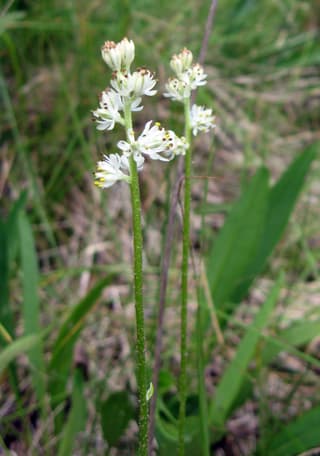
| Sticky false asphodel | Hard | Bright indirect | 1d | ✓ |
| Common Fieldcap | Medium | Low light | 2d | ✓ |
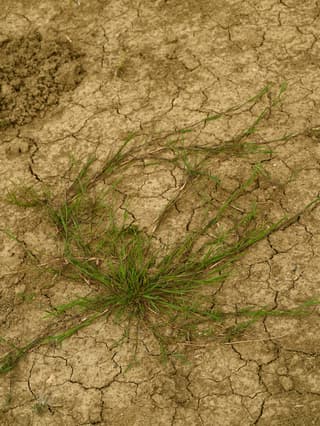
| Creeping bentgrass | Hard | Direct sun | 3d | ✓ |
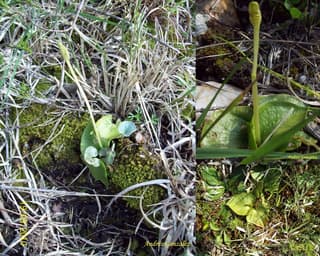
| Bulbous Adder's-tongue | Hard | Partial shade | 4d | ✓ |