Cyperaceae
Purple Nutsedge: Aromatic Plant
Cyperus rotundus
Extremely easy and vigorous. It thrives in warm, sunny, moist ground and spreads aggressively by tubers, so grow it in a contained bed or pot unless you want it to naturalise. Full sun and steady moisture give the lushest growth.
Every 3 days
Direct sun
10° - 45°C
65% - 95%
Categories
What is Purple Nutsedge?
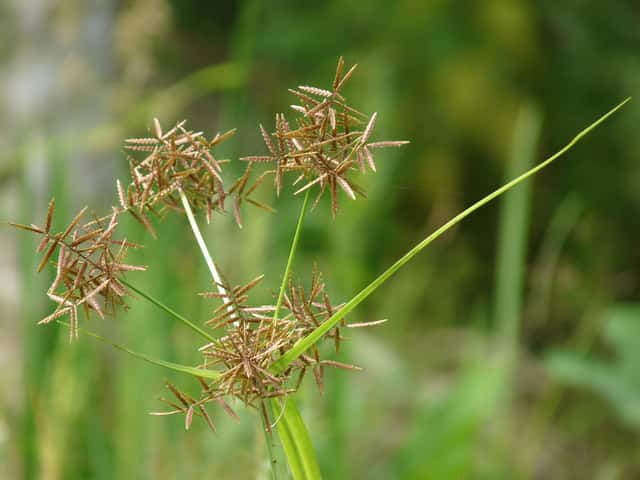
Purple Nutsedge (Cyperus rotundus) is a easy-care plant from the Cyperaceae family. Cyperus rotundus, purple nutsedge, is a fast-spreading perennial sedge with glossy, grass-like leaves and triangular stems topped by reddish-brown flower spikes. It grows from chains of small underground tubers, which make it one of the world's most persistent weeds but also the source of the aromat...
Purple Nutsedge grows up to 75cm, spread of 45cm, watering every 3 days, 10°C – 45°C, 65–95% humidity. It is suitable for indoor environments and safe for pets.
Unlike many tropical plants, Purple Nutsedge tolerates watering mistakes. Best for beginners. Unlike many popular species, Purple Nutsedge is safe to keep around pets. Without adequate drainage, root rot can develop within 7 days.
How to Care for Purple Nutsedge?
TLDR: Purple Nutsedge needs Direct sun, watering every 3 days, and temperatures between 10-45°C with 65-95% humidity.
How Often Should You Water Purple Nutsedge?
Keep the soil consistently moist; it tolerates wet ground and short flooding and only slows in prolonged drought. Water at the base to keep the foliage dry.
How Much Light Does Purple Nutsedge Need?
Grows best in full sun with six or more hours of direct light; it will not thrive in shade.
What Is the Best Soil for Purple Nutsedge?
Adapts to almost any soil but prefers moist, sandy loam with good drainage. Use a root barrier or pot to stop the tubers spreading.
What Pot Should You Use for Purple Nutsedge?
Grow it in a deep pot with drainage holes to contain the running tubers, and refresh the soil yearly as it is a hungry, fast grower.
Care Schedule
Fertilize
Every 30 days
What Is Purple Nutsedge and Where Does It Come From?
Cyperus rotundus, purple nutsedge, is a fast-spreading perennial sedge with glossy, grass-like leaves and triangular stems topped by reddish-brown flower spikes. It grows from chains of small underground tubers, which make it one of the world's most persistent weeds but also the source of the aromatic tuber known as nagarmotha or musta in traditional medicine.
How Big Does Purple Nutsedge Grow?
TLDR: Purple Nutsedge can reach up to 75cm tall with Fast growth rate.
Max height
75cm
Spread
45cm
Growth rate
Fast
Foliage
Deciduous
Plant Uses
Medicinal
Medicinal properties
Edible
Can be consumed
Aromatic
Pleasant fragrance
Ornamental
Great for decoration
Medicinal Uses
- Tuber (nagarmotha/musta) used in traditional medicine for digestive and menstrual complaints
- Traditionally used as an anti-inflammatory and antispasmodic
Culinary Uses
- Tubers eaten raw or roasted
- Dried tubers ground into flour
Is your plant showing symptoms?
Click on the symptom to discover possible causes:
What Diseases Commonly Affect Purple Nutsedge?
TLDR: Purple Nutsedge is susceptible to 1 known diseases. Monitor regularly for early detection.
Compare with similar plants
| Attribute | Difficulty | Light | Watering | Pet Safe |
|---|---|---|---|---|
| Field Maple | Easy | Bright indirect | 14d | ✓ |
| Silver Birch | Easy | Direct sun | 14d | ✓ |
| Common Blanketflower | Easy | Direct sun | 10d | ✓ |
| Cushion Bush | Easy | Direct sun | 14d | ✓ |





