Sarraceniaceae
Purple Pitcher Plant: Pet-Safe Plant
Sarracenia purpurea
Grow in full sun with peaty, acidic soil kept constantly moist to wet using only distilled or rainwater. Never fertilize or use tap water; the plant obtains nutrients by trapping insects. Give it a cold winter dormancy for healthy growth.
Every 2 days
Bright indirect
-15° - 35°C
50% - 90%
Categories
What is Purple Pitcher Plant?
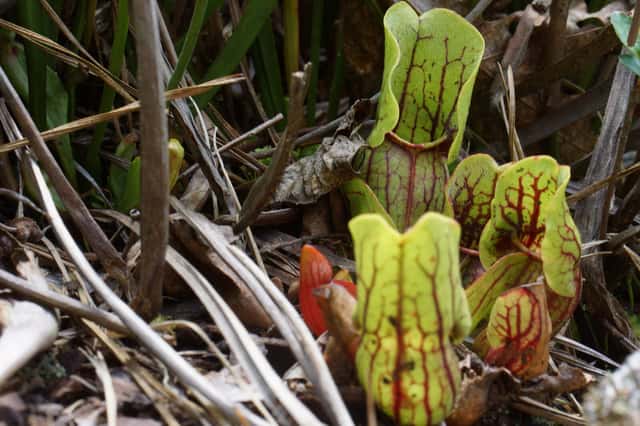
Purple Pitcher Plant (Sarracenia purpurea) is a medium-care plant from the Sarraceniaceae family. Sarracenia purpurea, the purple pitcher plant, is a carnivorous perennial native to bogs and nutrient-poor wetlands across eastern North America. Its rosette of hollow, water-filled pitcher leaves traps and digests insects to supplement the poor soil it grows in. Pitchers range from green to deep re...
Purple Pitcher Plant grows up to 45cm, spread of 60cm, watering every 2 days, -15°C – 35°C, 50–90% humidity. It is suitable for indoor environments and safe for pets.
Unlike many popular species, Purple Pitcher Plant is safe to keep around pets. Without adequate drainage, root rot can develop within 7 days.
How to Care for Purple Pitcher Plant?
TLDR: Purple Pitcher Plant needs Bright indirect, watering every 2 days, and temperatures between -15-35°C with 50-90% humidity.
How Often Should You Water Purple Pitcher Plant?
Keep the pot standing in about 2cm (1in) of distilled or rainwater at all times; never allow the soil to dry out and never use tap or softened water.
How Much Light Does Purple Pitcher Plant Need?
Provide 4-6+ hours of full sun daily; strong light brings out the deep red-purple pitcher coloration.
What Is the Best Soil for Purple Pitcher Plant?
Use a 2:1 mix of sphagnum peat moss and lime-free horticultural sand or perlite; never add fertilizer or standard potting soil.
What Pot Should You Use for Purple Pitcher Plant?
Plastic pot without drainage or a nursery pot set in a tray of standing water; avoid glazed ceramic that traps salts.
Care Schedule
Repot
Every 730 days
What Is Purple Pitcher Plant and Where Does It Come From?
Sarracenia purpurea, the purple pitcher plant, is a carnivorous perennial native to bogs and nutrient-poor wetlands across eastern North America. Its rosette of hollow, water-filled pitcher leaves traps and digests insects to supplement the poor soil it grows in. Pitchers range from green to deep red-purple, and the plant produces a single nodding red-purple flower each spring.
How to Propagate Purple Pitcher Plant?
Rhizome Division
Divide during dormancy just before spring growth begins for fastest recovery.
- 1 Remove the plant from its pot and rinse soil away from the roots to expose the rhizome
- 2 Locate natural growth points along the rhizome and cut with a sterile blade, keeping at least 2-3 growth points per division
- 3 Ensure each division retains its own root system
- 4 Repot each division into fresh peat/sand mix and keep in tray water
Materials needed:
Seed Propagation
Seeds need light to germinate; do not bury them.
- 1 Hand-pollinate flowers by transferring pollen from anthers to stigma
- 2 Collect seed pods in fall once dried
- 3 Cold-stratify seeds for 4-6 weeks in moist peat
- 4 Sow on the surface of damp peat/sand mix and keep under bright light
Materials needed:
How Big Does Purple Pitcher Plant Grow?
TLDR: Purple Pitcher Plant can reach up to 45cm tall with Medium growth rate.
Max height
45cm
Spread
60cm
Growth rate
Medium
Foliage
Semi-evergreen
Plant Uses
Ornamental
Great for decoration
Is your plant showing symptoms?
Click on the symptom to discover possible causes:
What Diseases Commonly Affect Purple Pitcher Plant?
TLDR: Purple Pitcher Plant is susceptible to 5 known diseases. Monitor regularly for early detection.
Grey Mould
Aphids
Aphids are small, soft-bodied, pear-shaped insects (1/16 to 1/8 inch long) that feed by sucking nutrient-rich sap from plants. They reproduce rapidly and can quickly weaken plants, causing distorted growth and transmitting plant viruses. Aphids come in various colors including green, black, red, yellow, brown, and gray. They secrete honeydew, a sticky substance that attracts ants and encourages sooty mold growth.
Slugs and Snails
Slugs and snails are mollusks that feed on plant tissue, causing irregular holes in leaves and damage to young seedlings. They are most active at night and in moist conditions, leaving characteristic silvery slime trails. These pests can quickly devastate gardens, especially during wet seasons.
Caterpillars
Caterpillars are the larval stage of moths and butterflies that feed voraciously on plant foliage, stems, flowers, and fruits. Common species include cabbage loopers, tomato hornworms, armyworms, and cutworms. These pests can cause extensive damage by consuming large amounts of plant tissue in a short time. They vary in size from small (1/4 inch) to large (5 inches), with colors ranging from green to brown, often featuring stripes or spots. Caterpillars are highly mobile and can quickly spread throughout gardens, making them one of the most destructive common pests.
Compare with similar plants
| Attribute | Difficulty | Light | Watering | Pet Safe |
|---|---|---|---|---|
| Dark Fieldcap | Medium | Low light | 2d | ⚠️ |
| Azalea | Medium | Partial shade | 3d | ⚠️ |
| Muriel's Bamboo | Medium | Partial shade | 3d | ✓ |
| Bougainvillea | Medium | Direct sun | 7d | ⚠️ |




