Lythraceae
Queen's Crape Myrtle (Lagerstroemia speciosa) Care Guide
Lagerstroemia speciosa
Give this tree full sun, warm humid conditions, and rich, well-draining loamy soil. Water deeply on a weekly schedule during the growing season and let the topsoil dry slightly between waterings to avoid root rot. Prune in late winter to shape and improve airflow.
Every 7 days
Direct sun
15° - 35°C
50% - 80%
Categories
What is Queen's Crape Myrtle?
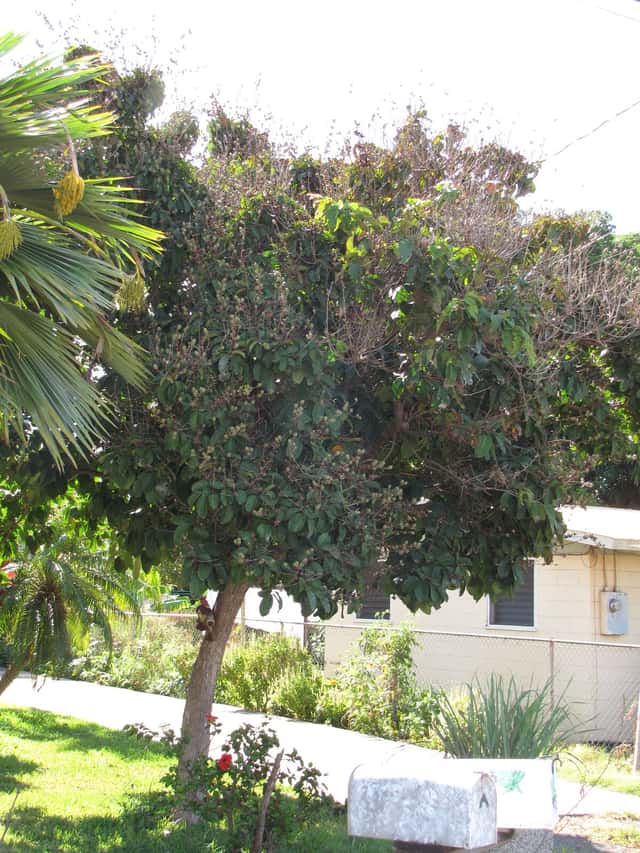
Queen's Crape Myrtle (Lagerstroemia speciosa) is a medium-care plant from the Lythraceae family. The Queen's Crape Myrtle is a fast-growing, deciduous flowering tree native to tropical and subtropical Asia, prized for its large panicles of crinkled pink, purple, or lavender flowers that bloom through summer and into fall. Reaching up to 18 meters tall in the landscape, it also produces smooth,...
Queen's Crape Myrtle grows up to 18.0m, spread of 1000cm, watering every 7 days, 15°C – 35°C, 50–80% humidity. It is not suitable for indoor environments and safe for pets.
Unlike many popular species, Queen's Crape Myrtle is safe to keep around pets.
How to Care for Queen's Crape Myrtle?
TLDR: Queen's Crape Myrtle needs Direct sun, watering every 7 days, and temperatures between 15-35°C with 50-80% humidity.
How Often Should You Water Queen's Crape Myrtle?
Water deeply about once a week during the growing season, keeping the soil evenly moist but never waterlogged; reduce watering in winter when the tree is dormant.
How Much Light Does Queen's Crape Myrtle Need?
Provide full sun with at least 6 hours of direct light daily for the best flowering; too much shade reduces bloom production.
What Is the Best Soil for Queen's Crape Myrtle?
Plant in rich, deep, well-draining loam with a slightly acidic to neutral pH (5.5-7.5); the tree tolerates occasional wet soil but chronic waterlogging invites root rot.
What Pot Should You Use for Queen's Crape Myrtle?
Best grown in the ground as a landscape or shade tree; if kept young in a container, use a large, well-draining pot with plenty of room for root growth.
Care Schedule
Fertilize
Every 120 days
What Is Queen's Crape Myrtle and Where Does It Come From?
The Queen's Crape Myrtle is a fast-growing, deciduous flowering tree native to tropical and subtropical Asia, prized for its large panicles of crinkled pink, purple, or lavender flowers that bloom through summer and into fall. Reaching up to 18 meters tall in the landscape, it also produces smooth, peeling gray bark and woody seed capsules that persist into winter. Its leaves are the source of banaba tea, a traditional folk remedy.
How to Propagate Queen's Crape Myrtle?
Seed Propagation
Germination is irregular and can take anywhere from 15 to 56 days; be patient and keep soil moist but not soggy.
- 1 Collect ripe brown seed capsules and extract the winged seeds
- 2 Sow seeds in shaded, well-draining potting mix
- 3 Keep the mix consistently moist until germination
- 4 Transplant seedlings once they have several true leaves
Materials needed:
Semi-Hardwood Cuttings
Rooting hormone significantly improves success rate for this species.
- 1 Take a 15-20 cm semi-hardwood cutting from a healthy branch
- 2 Remove lower leaves and dip the cut end in rooting hormone
- 3 Insert into a moist, well-draining rooting medium
- 4 Keep in bright, indirect light with high humidity until roots form
Materials needed:
How Big Does Queen's Crape Myrtle Grow?
TLDR: Queen's Crape Myrtle can reach up to 18.0m tall with Fast growth rate.
Max height
18.0m
Spread
10.0m
Growth rate
Fast
Foliage
Deciduous
Plant Uses
Ornamental
Great for decoration
Medicinal
Medicinal properties
Medicinal Uses
- Dried leaves brewed into banaba tea, a traditional remedy used to help manage blood sugar levels
- Leaf extracts rich in corosolic acid studied for anti-diabetic and anti-obesity effects
Culinary Uses
- Young leaves occasionally used to make an herbal infusion (banaba tea)
Is your plant showing symptoms?
Click on the symptom to discover possible causes:
What Diseases Commonly Affect Queen's Crape Myrtle?
TLDR: Queen's Crape Myrtle is susceptible to 5 known diseases. Monitor regularly for early detection.
Powdery Mildew
Powdery mildew is a common fungal disease caused by various fungi species including Erysiphe, Podosphaera, Oïdium, and Leveillula. It affects over 10,000 plant species worldwide. The disease thrives in warm, dry climates with high humidity and appears as a distinctive white powdery coating on plant surfaces.
Leaf Spot
Leaf spot is a common fungal disease caused by various pathogens including Alternaria, Ascochyta, Colletotrichum, Septoria, and Venturia. It primarily affects leaves, causing discolored spots that can lead to premature leaf drop if left untreated.
Root Rot
Root rot is a serious fungal disease that affects the root system of plants, causing them to decay and die. It is primarily caused by overwatering, poor drainage, or soil-borne fungi such as Pythium, Phytophthora, Rhizoctonia, and Fusarium. The disease thrives in waterlogged conditions where roots are deprived of oxygen, making them susceptible to fungal infection.
Aphids
Aphids are small, soft-bodied, pear-shaped insects (1/16 to 1/8 inch long) that feed by sucking nutrient-rich sap from plants. They reproduce rapidly and can quickly weaken plants, causing distorted growth and transmitting plant viruses. Aphids come in various colors including green, black, red, yellow, brown, and gray. They secrete honeydew, a sticky substance that attracts ants and encourages sooty mold growth.
Meaning & Symbolism
Its regal flower clusters have made it a symbol of royalty, beauty, and abundance across Asia, and in parts of Southeast Asia it holds spiritual significance as a sacred tree.
Fun Facts
The leaves of this tree are the source of banaba tea, a popular folk remedy in the Philippines for blood sugar support.
Its smooth, peeling gray bark resembles that of related crape myrtle species, giving rise to the common name.
In the wild it can grow over 20 meters tall, towering over most other flowering trees.
The genus Lagerstroemia was named after Swedish merchant Magnus von Lagerstrom, a friend of Carl Linnaeus.
Frequently asked questions
Is Queen's Crape Myrtle toxic to pets?
How much water does it need?
Can I grow it indoors?
What is banaba tea?
What diseases affect this tree?
Compare with similar plants
| Attribute | Difficulty | Light | Watering | Pet Safe |
|---|---|---|---|---|
| Dark Fieldcap | Medium | Low light | 2d | ⚠️ |
| Azalea | Medium | Partial shade | 3d | ⚠️ |
| Muriel's Bamboo | Medium | Partial shade | 3d | ✓ |
| Bougainvillea | Medium | Direct sun | 7d | ⚠️ |
Choose & Compare
Sources & References
- NC State Extension Gardener Plant Toolbox - Lagerstroemia speciosa
- PlantCareToday - Lagerstroemia Speciosa Care
- The Plant Aide - Common pests and control of Lagerstroemia speciosa
- Management of Diabetes and Its Complications with Banaba (Lagerstroemia speciosa L.) and Corosolic Acid
- Viriar - Lagerstroemia speciosa Care, Propagation & Tips




