Cactaceae
Rainbow Hedgehog Cactus (Echinocereus pectinatus)
Echinocereus pectinatus
A slow-growing desert cactus that demands full sun, mineral soil, and a bone-dry winter rest to thrive and bloom reliably.
Every 12 days
Direct sun
-10° - 40°C
20% - 40%
Categories
What is Rainbow Hedgehog Cactus?
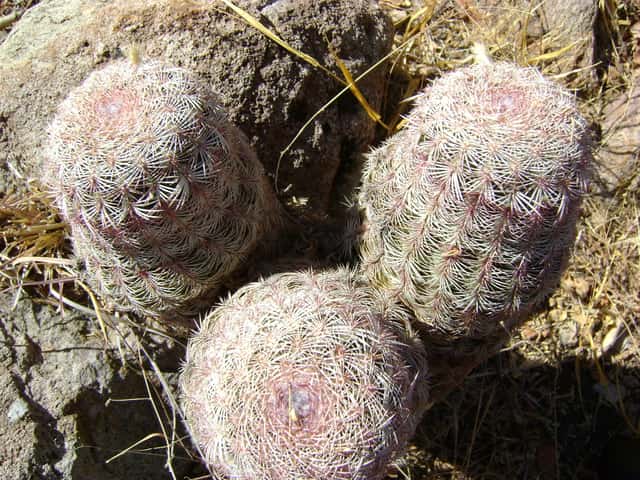
Rainbow Hedgehog Cactus (Echinocereus pectinatus) is a medium-care plant from the Cactaceae family. Echinocereus pectinatus is a small, solitary, cylindrical cactus native to the Chihuahuan Desert of northern Mexico and the Trans-Pecos region of Texas. Its ribs are lined with dense, comb-like spines banded in white and pink, giving rise to its common name. In late spring, it produces large, funnel...
Rainbow Hedgehog Cactus grows up to 35cm, spread of 13cm, watering every 12 days, -10°C – 40°C, 20–40% humidity. It is suitable for indoor environments and safe for pets.
Unlike many popular species, Rainbow Hedgehog Cactus is safe to keep around pets. Without adequate drainage, root rot can develop within 24 days.
How to Care for Rainbow Hedgehog Cactus?
TLDR: Rainbow Hedgehog Cactus needs Direct sun, watering every 12 days, and temperatures between -10-40°C with 20-40% humidity.
How Often Should You Water Rainbow Hedgehog Cactus?
Water deeply every 10-14 days from April to September once the top 3-5 cm of soil is fully dry; withhold water almost completely from November to February to prevent winter root rot.
How Much Light Does Rainbow Hedgehog Cactus Need?
Give it 6-8 hours of direct sun daily; insufficient light causes pale spines and weak, stretched growth.
What Is the Best Soil for Rainbow Hedgehog Cactus?
Plant in a mineral, fast-draining cactus mix with added limestone or crushed rock to mimic its native alkaline, rocky soil (pH 7.0-8.0).
What Pot Should You Use for Rainbow Hedgehog Cactus?
Unglazed terracotta pot with drainage holes to wick away excess moisture.
Care Schedule
Repot
Every 730 days
What Is Rainbow Hedgehog Cactus and Where Does It Come From?
Echinocereus pectinatus is a small, solitary, cylindrical cactus native to the Chihuahuan Desert of northern Mexico and the Trans-Pecos region of Texas. Its ribs are lined with dense, comb-like spines banded in white and pink, giving rise to its common name. In late spring, it produces large, funnel-shaped magenta flowers that open in daylight and last several days.
How to Propagate Rainbow Hedgehog Cactus?
Seed propagation
Seed-grown plants take three to five years to flower with a proper winter rest, and six to eight years without one.
- 1 Sow fresh seed on a mineral, well-draining mix at around 25C
- 2 Keep the surface lightly moist and covered until germination
- 3 Once seedlings appear, gradually reduce humidity and increase light
- 4 Grow on with careful watering for the first year before starting a dry winter rest
Materials needed:
How Big Does Rainbow Hedgehog Cactus Grow?
TLDR: Rainbow Hedgehog Cactus can reach up to 35cm tall with Slow growth rate.
Max height
35cm
Spread
13cm
Growth rate
Slow
Foliage
Evergreen
Plant Uses
Ornamental
Great for decoration
Is your plant showing symptoms?
Click on the symptom to discover possible causes:
What Diseases Commonly Affect Rainbow Hedgehog Cactus?
TLDR: Rainbow Hedgehog Cactus is susceptible to 4 known diseases. Monitor regularly for early detection.
Root Rot
Root rot is a serious fungal disease that affects the root system of plants, causing them to decay and die. It is primarily caused by overwatering, poor drainage, or soil-borne fungi such as Pythium, Phytophthora, Rhizoctonia, and Fusarium. The disease thrives in waterlogged conditions where roots are deprived of oxygen, making them susceptible to fungal infection.
Mealybugs
Mealybugs are small, soft-bodied insects covered with a white, waxy, cottony material. They are common pests of houseplants and outdoor plants in mild climates. These sap-sucking insects feed on plant tissue, causing damage, stunted growth, and can lead to plant death if left untreated. They produce sticky honeydew which attracts sooty mold.
Aphids
Aphids are small, soft-bodied, pear-shaped insects (1/16 to 1/8 inch long) that feed by sucking nutrient-rich sap from plants. They reproduce rapidly and can quickly weaken plants, causing distorted growth and transmitting plant viruses. Aphids come in various colors including green, black, red, yellow, brown, and gray. They secrete honeydew, a sticky substance that attracts ants and encourages sooty mold growth.
Spider Mites
Spider mites are tiny arachnids (less than 1/20 inch long) related to spiders and ticks that feed on plant sap. They thrive in hot, dry conditions and can cause significant damage to ornamental and vegetable plants. During severe infestations, crop losses can reach 14% or higher as these pests disrupt vital plant processes including photosynthesis, carbon dioxide absorption, and transpiration.
Fun Facts
Its comb-like spine pattern inspired both its species name (pectinatus, Latin for combed) and common name.
Native populations grow directly on limestone outcrops across nine Mexican states and the Trans-Pecos of Texas.
Its funnel-shaped magenta flowers can reach up to 12 cm across, rivaling the size of the plant body itself.
Frequently asked questions
How often should I water a Rainbow Hedgehog Cactus?
Is Echinocereus pectinatus toxic to pets?
Why is my Rainbow Hedgehog Cactus not flowering?
What soil does this cactus need?
Compare with similar plants
| Attribute | Difficulty | Light | Watering | Pet Safe |
|---|---|---|---|---|
| Dark Fieldcap | Medium | Low light | 2d | ⚠️ |
| Azalea | Medium | Partial shade | 3d | ⚠️ |
| Muriel's Bamboo | Medium | Partial shade | 3d | ✓ |
| Bougainvillea | Medium | Direct sun | 7d | ⚠️ |




