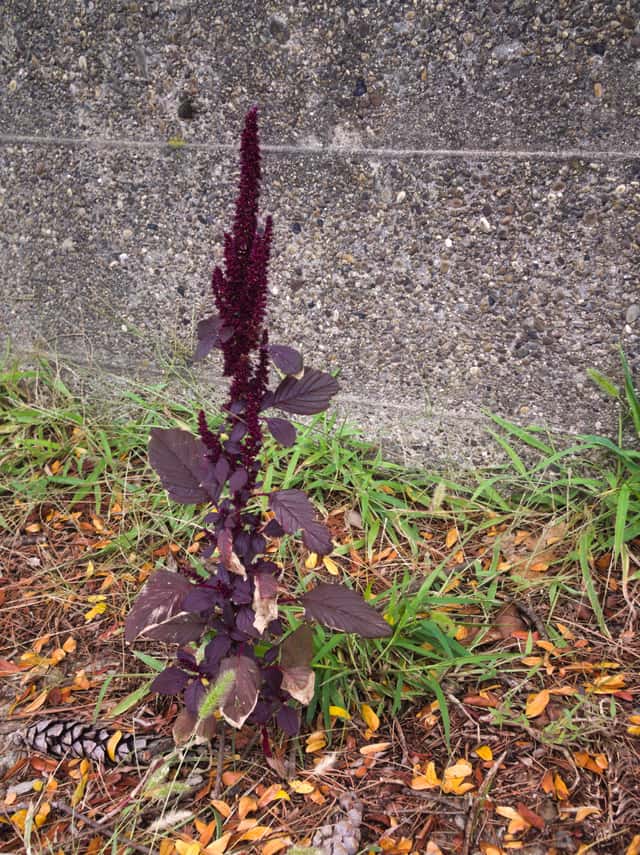
Amaranthaceae
Red Amaranth (Amaranthus cruentus): Complete Growing Guide
Amaranthus cruentus
Plant in full sun (minimum 6-8 hours/day). Water 2-3 times per week in dry conditions, keeping soil moist but well-drained. Fertilize every 6 weeks with balanced granular fertilizer. Avoid waterlogging to prevent root rot.
Every 3 days
Direct sun
15° - 35°C
30% - 60%
Categories
What is Red Amaranth?
Red Amaranth (Amaranthus cruentus) is a easy-care plant from the Amaranthaceae family. Amaranthus cruentus, commonly known as Red Amaranth or Blood Amaranth, is a fast-growing annual plant native to Central America and Mexico. Its dramatic feathery plumes in shades of red, purple, and magenta make it a striking ornamental, while its leaves and protein-rich seeds have been used as food...
Red Amaranth grows up to 2.5m, spread of 180cm, watering every 3 days, 15°C – 35°C, 30–60% humidity. It is not suitable for indoor environments and safe for pets.
Unlike many tropical plants, Red Amaranth tolerates watering mistakes. Best for beginners. Unlike many popular species, Red Amaranth is safe to keep around pets.
How to Care for Red Amaranth?
TLDR: Red Amaranth needs Direct sun, watering every 3 days, and temperatures between 15-35°C with 30-60% humidity.
How Often Should You Water Red Amaranth?
Water 2-3 times per week in dry weather, keeping soil moist about 1 inch below the surface. Established plants tolerate some drought, but regular watering promotes the best growth and flowering. Never let the soil become waterlogged.
How Much Light Does Red Amaranth Need?
Requires full sun — at least 6 to 8 hours of direct sunlight daily. In partial shade, plants grow lanky and produce fewer flowers. Best suited for open, sunny garden beds.
What Is the Best Soil for Red Amaranth?
Prefers fertile, well-draining loamy soil with a pH between 6.5 and 7.5. Amend with compost or well-rotted manure to improve nutrient content. Avoid heavy clay or waterlogged soils.
Care Schedule
Fertilize
Every 14 days
Misting
Every 3 days
Rotate
Every 7 days
Repot
Every 365 days
What Is Red Amaranth and Where Does It Come From?
Amaranthus cruentus, commonly known as Red Amaranth or Blood Amaranth, is a fast-growing annual plant native to Central America and Mexico. Its dramatic feathery plumes in shades of red, purple, and magenta make it a striking ornamental, while its leaves and protein-rich seeds have been used as food and medicine for thousands of years.
How Big Does Red Amaranth Grow?
TLDR: Red Amaranth can reach up to 2.5m tall with Fast growth rate.
Max height
2.5m
Spread
1.8m
Growth rate
Fast
Foliage
Deciduous
Plant Uses
Ornamental
Great for decoration
Edible
Can be consumed
Medicinal
Medicinal properties
Medicinal Uses
- Seeds are a complete protein source with all essential amino acids
- Leaves and seeds used traditionally to treat inflammation and iron deficiency
- Plant extracts studied for antioxidant and anti-inflammatory properties
Culinary Uses
- Young leaves cooked like spinach or added to salads and stir-fries
- Seeds popped like popcorn or ground into nutritious flour for baking
- Seeds used in porridges, granola bars, and health foods
Is your plant showing symptoms?
Click on the symptom to discover possible causes:
What Diseases Commonly Affect Red Amaranth?
TLDR: Red Amaranth is susceptible to 9 known diseases. Monitor regularly for early detection.
Leaf Spot
Leaf spot is a common fungal disease caused by various pathogens including Alternaria, Ascochyta, Colletotrichum, Septoria, and Venturia. It primarily affects leaves, causing discolored spots that can lead to premature leaf drop if left untreated.
Root Rot
Root rot is a serious fungal disease that affects the root system of plants, causing them to decay and die. It is primarily caused by overwatering, poor drainage, or soil-borne fungi such as Pythium, Phytophthora, Rhizoctonia, and Fusarium. The disease thrives in waterlogged conditions where roots are deprived of oxygen, making them susceptible to fungal infection.
Rust
Rust is a common fungal disease caused by fungi in the order Pucciniales that affects a wide variety of plants. The disease gets its name from the characteristic orange, yellow, or reddish-brown pustules that appear on leaves, resembling metal rust. This obligate fungal parasite requires living plants to survive and can cause significant economic losses in agricultural crops.
Aphids
Aphids are small, soft-bodied, pear-shaped insects (1/16 to 1/8 inch long) that feed by sucking nutrient-rich sap from plants. They reproduce rapidly and can quickly weaken plants, causing distorted growth and transmitting plant viruses. Aphids come in various colors including green, black, red, yellow, brown, and gray. They secrete honeydew, a sticky substance that attracts ants and encourages sooty mold growth.
Meaning & Symbolism
Symbol of immortality and unfading love in ancient cultures; the name amaranth comes from Greek meaning "unfading".
Fun Facts
The word "amaranth" comes from the Greek "amarantos" meaning "unfading" — a reference to its long-lasting flowers.
Amaranth seeds contain more protein than most cereal grains and include all essential amino acids, making them a nutritional powerhouse.
Aztec civilizations cultivated amaranth for over 8,000 years — it was so revered it was used in sacred rituals and as currency.
Frequently asked questions
Is red amaranth edible?
How long until it flowers?
Can it be grown in a container?
Compare with similar plants
| Attribute | Difficulty | Light | Watering | Pet Safe |
|---|---|---|---|---|
| Field Maple | Easy | Bright indirect | 14d | ✓ |
| Silver Birch | Easy | Direct sun | 14d | ✓ |
| Common Blanketflower | Easy | Direct sun | 10d | ✓ |
| Cushion Bush | Easy | Direct sun | 14d | ✓ |





